Back to Menu
Oily Skin Treatment Guide for Acne Enlarged Pores and Sebum Control
Oily skin is one of the most common skin concerns and one of the most mismanaged. Excess shine, persistent breakouts, and enlarged pores are not simply cosmetic issues. They are the visible result of overactive sebaceous glands, often driven by hormonal and environmental factors that over-the-counter products cannot fully address.
Clinical treatments have advanced significantly in their ability to target sebum production at the source, reduce pore size, and manage acne without prolonged recovery.
This guide covers the causes, triggers, and most effective treatment options for oily skin, based on clinical practice by aesthetic specialists in Gangnam-gu, Seoul.
Why Does Oily Skin Produce So Much Sebum?
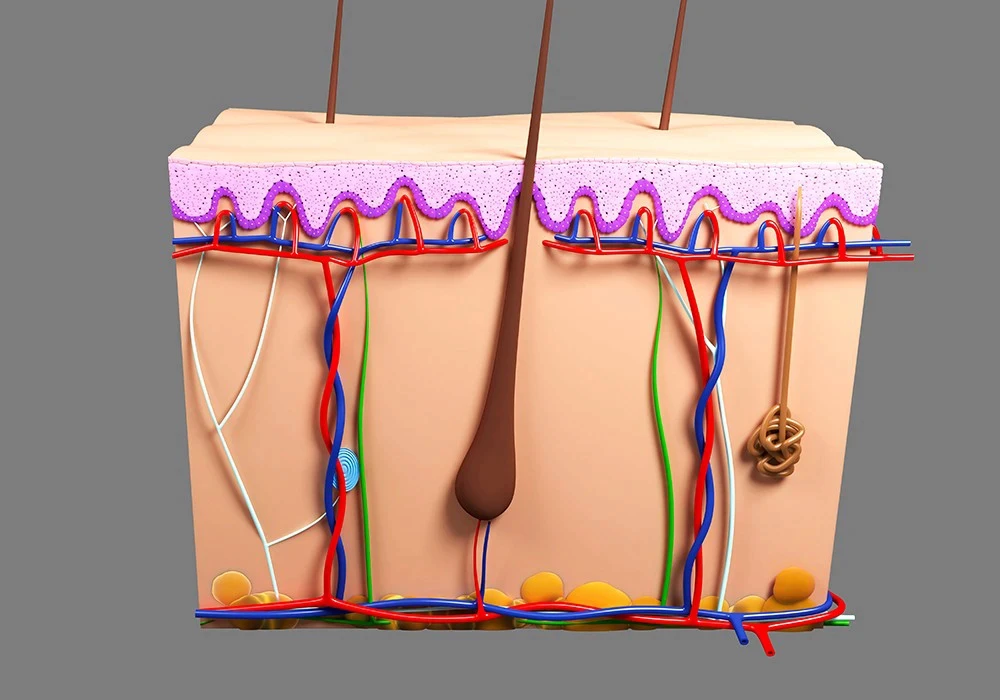
Sebum is a natural oil produced by sebaceous glands located beneath the skin's surface. In balanced amounts, it protects and moisturises the skin. The problem begins when these glands become overactive and produce more sebum than the skin needs.
How sebaceous glands work
Sebaceous glands are most concentrated on the face and scalp. Sebum is secreted through hair follicles connected to these glands and travels up to the skin's surface. When excess sebum combines with dead skin cells and bacteria inside the follicle, it creates the conditions for enlarged pores and acne.
The primary driver of overactive sebaceous glands is hormonal. Elevated levels of testosterone and progesterone directly stimulate gland activity, which is why oily skin tends to be more pronounced during puberty, hormonal shifts, and certain phases of the menstrual cycle.
Who Is Most Likely to Have Oily Skin?
While anyone can experience excess sebum production, certain factors consistently increase the likelihood of it. Understanding these helps identify whether oily skin is a temporary condition or a long-term skin type.
Age and hormonal stage: Oily skin is most common during adolescence when androgen levels surge. It often improves with age as hormone levels stabilise, though many adults continue to experience it well into their thirties and forties.
Genetics: The size and activity of sebaceous glands are largely inherited. Those with a family history of oily skin or acne are significantly more likely to experience the same concerns.
Climate and humidity: Hot, humid environments increase sebum production. This is particularly relevant in Seoul's summers, where heat and humidity can intensify oiliness even in those with otherwise balanced skin.
Skin tone and ethnicity: Research suggests that individuals with darker skin tones tend to have larger sebaceous glands, which can correlate with higher sebum output and greater susceptibility to enlarged pores.
What Makes Oily Skin Worse?
Even with the right treatments, certain everyday habits and environmental factors can significantly worsen oily skin. Identifying and managing these triggers is an important part of any long-term skin management plan.
Over-cleansing: Stripping the skin signals glands to produce more oil.
Sun exposure: Heat stimulates sebaceous gland activity
High-glycaemic diet: Spikes in blood sugar can increase androgen levels
Stress: Cortisol elevates androgen production and sebum output
Wrong moisturiser: Heavy or occlusive formulas block follicles and worsen congestion
Humidity: Warm, humid conditions accelerate sebum secretion
Certain medications: Some hormonal treatments and steroids increase oil production
Over-cleansing is one of the most common mistakes with oily skin. Washing more than twice a day disrupts the skin barrier and prompts the glands to compensate with even more sebum.
Recommended Treatments for Oily Skin
The following treatments are among the most clinically effective options for managing excess sebum, enlarged pores, and acne. Each works through a different mechanism and is suited to different presentations of oily skin.

Ethosome PTT (Gold Microparticle Laser Therapy)
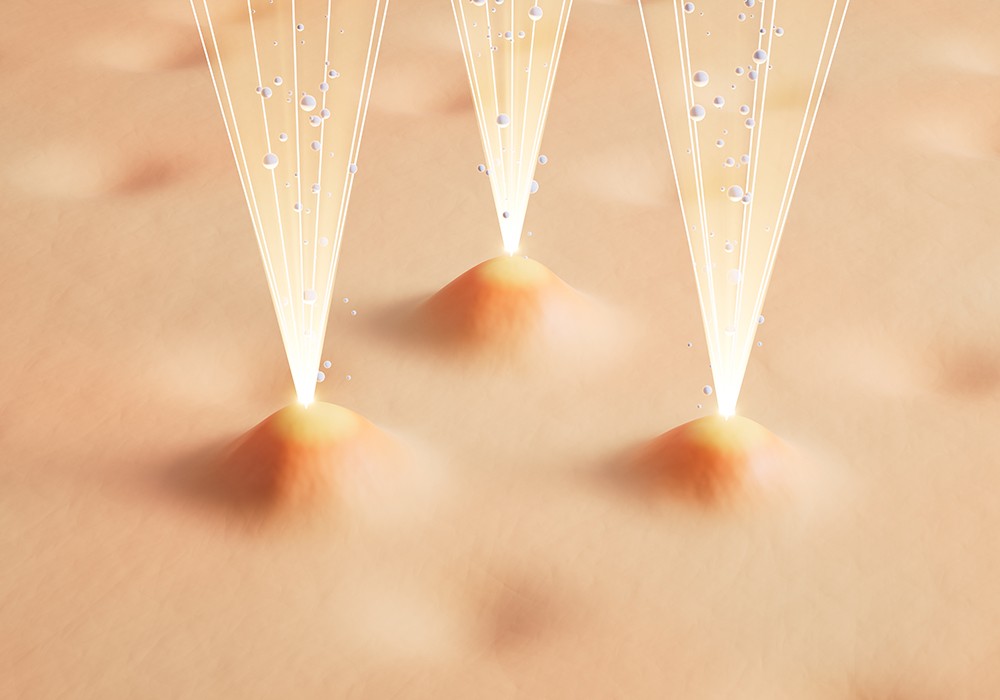
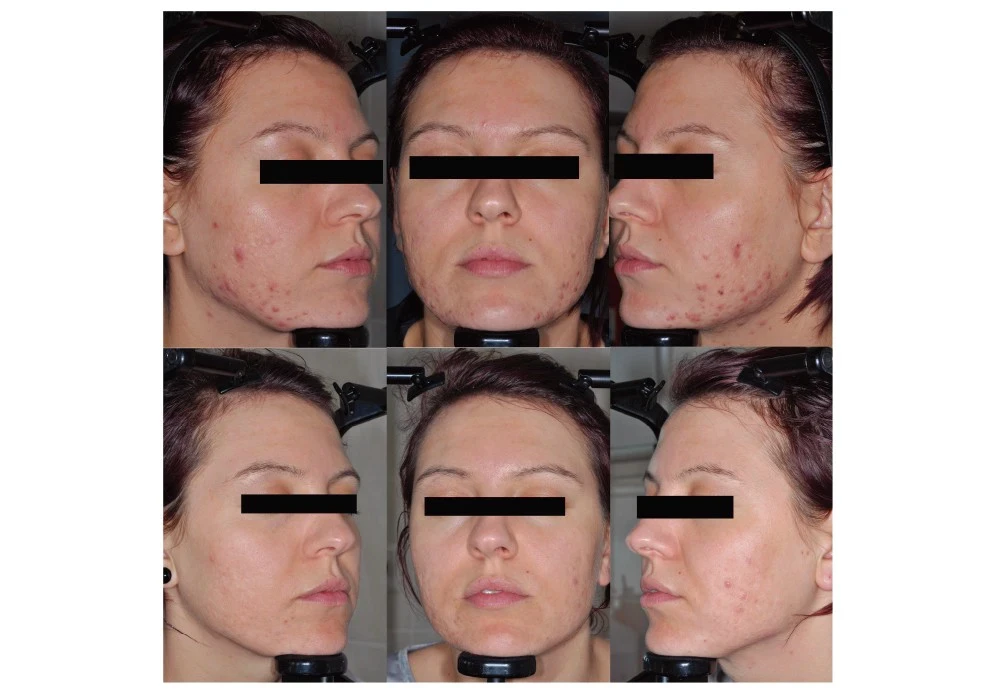
This treatment involves applying an antibacterial, moisturising, and antioxidant ampoule to the skin, followed by laser irradiation combining 1064nm and 755nm wavelengths. Heat generated from the gold microparticles in the ampoule selectively targets and reduces sebaceous gland activity while also eliminating acne-causing bacteria.
Best suited for oily skin types with active breakouts and enlarged pores
The dual-wavelength approach allows precise targeting of sebaceous follicles
Antibacterial action helps reduce acne-causing bacteria without systemic medication
Potenza (RF Microneedling)
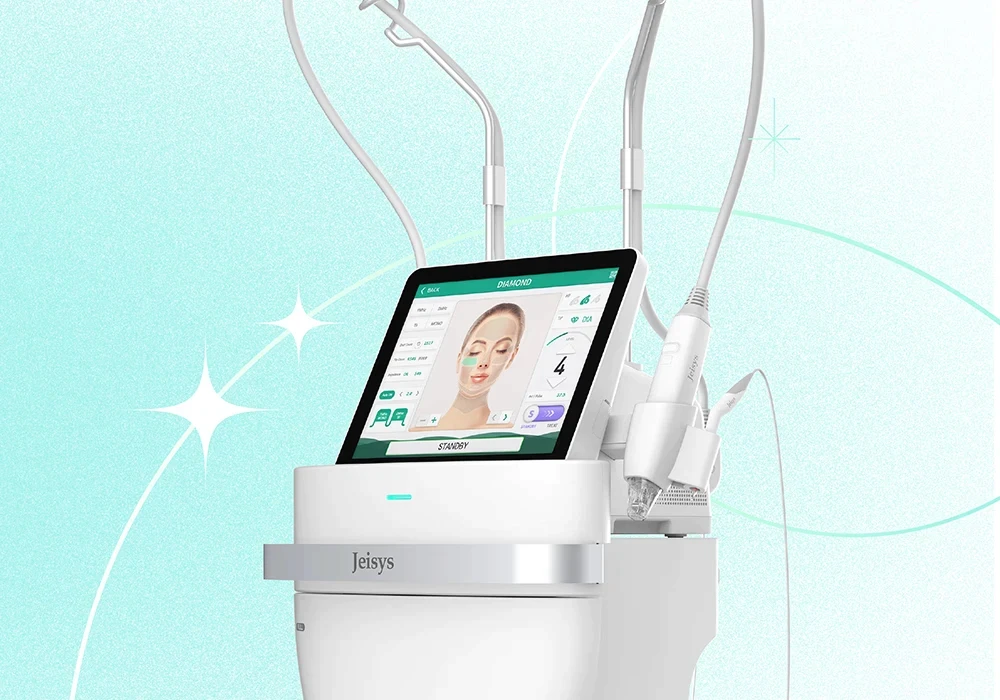
Potenza delivers radiofrequency energy through fine needles directly into the dermis, targeting sebaceous glands to reduce oil production at the source. For localised concerns such as jawline or perioral acne, the Potenza Acne RF setting can precisely address overactive glands in specific zones.
Combined with Juvelook Skin Booster to simultaneously improve pores, acne scars, and skin elasticity
Targeted energy delivery minimises surface disruption while treating deeper layers
Effective for both active acne and post-acne textural concerns
Skin Botox
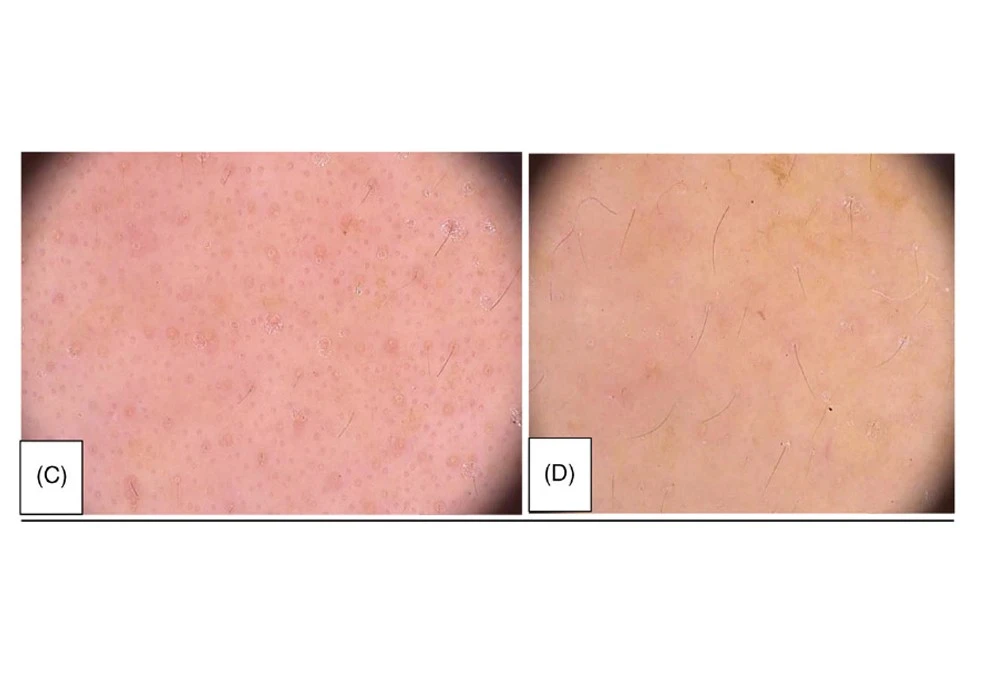
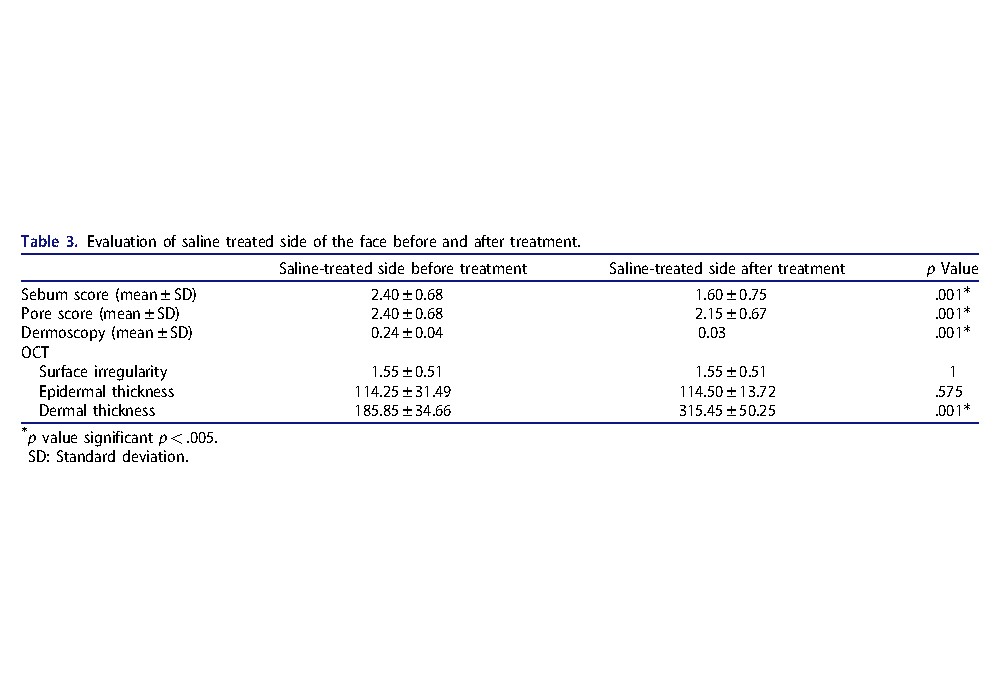
Diluted botulinum toxin injected into the superficial dermis reduces sebum production and minimises pore size by partially blocking the nerve signals that stimulate sebaceous gland activity. Results are visible but typically shorter in duration than traditional wrinkle Botox.
Coretox or Xeomin is recommended to reduce the risk of tolerance developing over repeated treatments.
Needle-free CureJet delivery is available for the nose area to minimise product loss.
Results vary individually, and maintenance sessions are generally required.
What to Expect After Treatment
Understanding the recovery and results timeline helps patients plan their treatment schedule and set realistic expectations before beginning.
Immediately after
Mild redness and sensitivity:
Some redness, warmth, and minor swelling at the treatment site are normal. This typically subsides within a few hours for Ethosome PTT and Skin Botox, or within 1–3 days for Potenza RF Microneedling.
Week 1–2
Skin settling phase
The skin may appear slightly dry or textured as it adjusts. Avoid active skincare ingredients such as retinol and acids during this window. Sun protection is essential.
Week 3–4
Initial improvements visible
Reduction in shininess, fewer active breakouts, and early pore refinement typically become noticeable. Skin Botox results may be visible sooner, within the first two weeks.
Month 2–3
Full results and maintenance planning
Peak results from Ethosome PTT and Potenza are typically seen at this stage. A maintenance schedule is usually recommended to sustain outcomes, as sebaceous gland activity can gradually resume over time.
Summary
Oily skin is primarily driven by hormonal factors that stimulate overactive sebaceous glands.
Genetics, climate, diet, and skincare habits all play a role in how severe oiliness becomes.
Over-cleansing can worsen the oil production balance, and barrier support is essential.
Ethosome PTT, Potenza RF, and Skin Botox each target sebum through a different mechanism.
The right treatment depends on the primary concern: acne, pores, sebum, or texture.
Combination approaches often deliver more comprehensive and lasting results.
Maintenance sessions are typically needed to sustain improvements long-term.
Final Thoughts
Oily skin responds well to treatment when the root cause is correctly identified. Hormonal activity, lifestyle triggers, and skin type all influence how sebum is produced, and understanding this combination is what makes the difference between temporary relief and lasting results. The treatments available today go beyond surface-level management, directly targeting the glands responsible for excess oil production.
FAQ
What is the most effective treatment for oily skin?
It depends on the primary concern. Ethosome PTT targets active acne, Potenza RF addresses pores and texture, and Skin Botox reduces sebum and shine. A combination often delivers the best results.
How many sessions are needed to see results?
Most patients notice improvement after 2–3 sessions, though the exact number depends on the severity of the concern and the treatment selected.
Can oily skin develop in adulthood without a history of acne?
Yes. Hormonal shifts from stress, pregnancy, or medication changes can trigger excess sebum production even in those who never had oily skin before.
Is Skin Botox safe for long-term use?
Yes, though tolerance can develop over time. Coretox or Xeomin is recommended over standard formulations for patients undergoing regular maintenance sessions.
What skincare routine works best alongside clinical treatments?
A gentle cleanser, a lightweight non-comedogenic moisturiser, and a broad-spectrum SPF are essential. Niacinamide can help regulate sebum between sessions
Not Sure Which Treatment Suits Your Skin?
REPIC Clinic uses Mark-Vu skin diagnostics to measure sebum levels, bacteria distribution, and moisture before recommending any treatment, so every plan is based on data, not guesswork.
Tags:
Acne
Oily Skin
Share this blog
Related Posts.
Looking for more expert insights? Explore these articles from our team of skincare specialists.

Skincare Recommendations

Back to Menu
Rewrite Your Beauty Story with REPIC Clinic
The more you understand your skin, the better decisions you can make about your daily habits and long-term skincare plan. Knowledge is the first step toward healthy, confident skin.
Ready to discover what your skin truly needs?
Back to Menu
Oily Skin Treatment Guide for Acne Enlarged Pores and Sebum Control
Oily skin is one of the most common skin concerns and one of the most mismanaged. Excess shine, persistent breakouts, and enlarged pores are not simply cosmetic issues. They are the visible result of overactive sebaceous glands, often driven by hormonal and environmental factors that over-the-counter products cannot fully address.
Clinical treatments have advanced significantly in their ability to target sebum production at the source, reduce pore size, and manage acne without prolonged recovery.
This guide covers the causes, triggers, and most effective treatment options for oily skin, based on clinical practice by aesthetic specialists in Gangnam-gu, Seoul.
Why Does Oily Skin Produce So Much Sebum?
Sebum is a natural oil produced by sebaceous glands located beneath the skin's surface. In balanced amounts, it protects and moisturises the skin. The problem begins when these glands become overactive and produce more sebum than the skin needs.
How sebaceous glands work
Sebaceous glands are most concentrated on the face and scalp. Sebum is secreted through hair follicles connected to these glands and travels up to the skin's surface. When excess sebum combines with dead skin cells and bacteria inside the follicle, it creates the conditions for enlarged pores and acne.
The primary driver of overactive sebaceous glands is hormonal. Elevated levels of testosterone and progesterone directly stimulate gland activity, which is why oily skin tends to be more pronounced during puberty, hormonal shifts, and certain phases of the menstrual cycle.
Who Is Most Likely to Have Oily Skin?
While anyone can experience excess sebum production, certain factors consistently increase the likelihood of it. Understanding these helps identify whether oily skin is a temporary condition or a long-term skin type.
Age and hormonal stage: Oily skin is most common during adolescence when androgen levels surge. It often improves with age as hormone levels stabilise, though many adults continue to experience it well into their thirties and forties.
Genetics: The size and activity of sebaceous glands are largely inherited. Those with a family history of oily skin or acne are significantly more likely to experience the same concerns.
Climate and humidity: Hot, humid environments increase sebum production. This is particularly relevant in Seoul's summers, where heat and humidity can intensify oiliness even in those with otherwise balanced skin.
Skin tone and ethnicity: Research suggests that individuals with darker skin tones tend to have larger sebaceous glands, which can correlate with higher sebum output and greater susceptibility to enlarged pores.
What Makes Oily Skin Worse?
Even with the right treatments, certain everyday habits and environmental factors can significantly worsen oily skin. Identifying and managing these triggers is an important part of any long-term skin management plan.
Over-cleansing: Stripping the skin signals glands to produce more oil.
Sun exposure: Heat stimulates sebaceous gland activity
High-glycaemic diet: Spikes in blood sugar can increase androgen levels
Stress: Cortisol elevates androgen production and sebum output
Wrong moisturiser: Heavy or occlusive formulas block follicles and worsen congestion
Humidity: Warm, humid conditions accelerate sebum secretion
Certain medications: Some hormonal treatments and steroids increase oil production
Over-cleansing is one of the most common mistakes with oily skin. Washing more than twice a day disrupts the skin barrier and prompts the glands to compensate with even more sebum.
Recommended Treatments for Oily Skin
The following treatments are among the most clinically effective options for managing excess sebum, enlarged pores, and acne. Each works through a different mechanism and is suited to different presentations of oily skin.
Ethosome PTT (Gold Microparticle Laser Therapy)
This treatment involves applying an antibacterial, moisturising, and antioxidant ampoule to the skin, followed by laser irradiation combining 1064nm and 755nm wavelengths. Heat generated from the gold microparticles in the ampoule selectively targets and reduces sebaceous gland activity while also eliminating acne-causing bacteria.
Best suited for oily skin types with active breakouts and enlarged pores
The dual-wavelength approach allows precise targeting of sebaceous follicles
Antibacterial action helps reduce acne-causing bacteria without systemic medication
Potenza (RF Microneedling)
Potenza delivers radiofrequency energy through fine needles directly into the dermis, targeting sebaceous glands to reduce oil production at the source. For localised concerns such as jawline or perioral acne, the Potenza Acne RF setting can precisely address overactive glands in specific zones.
Combined with Juvelook Skin Booster to simultaneously improve pores, acne scars, and skin elasticity
Targeted energy delivery minimises surface disruption while treating deeper layers
Effective for both active acne and post-acne textural concerns
Skin Botox
Diluted botulinum toxin injected into the superficial dermis reduces sebum production and minimises pore size by partially blocking the nerve signals that stimulate sebaceous gland activity. Results are visible but typically shorter in duration than traditional wrinkle Botox.
Coretox or Xeomin is recommended to reduce the risk of tolerance developing over repeated treatments.
Needle-free CureJet delivery is available for the nose area to minimise product loss.
Results vary individually, and maintenance sessions are generally required.
What to Expect After Treatment
Understanding the recovery and results timeline helps patients plan their treatment schedule and set realistic expectations before beginning.
Immediately after
Mild redness and sensitivity:
Some redness, warmth, and minor swelling at the treatment site are normal. This typically subsides within a few hours for Ethosome PTT and Skin Botox, or within 1–3 days for Potenza RF Microneedling.
Week 1–2
Skin settling phase
The skin may appear slightly dry or textured as it adjusts. Avoid active skincare ingredients such as retinol and acids during this window. Sun protection is essential.
Week 3–4
Initial improvements visible
Reduction in shininess, fewer active breakouts, and early pore refinement typically become noticeable. Skin Botox results may be visible sooner, within the first two weeks.
Month 2–3
Full results and maintenance planning
Peak results from Ethosome PTT and Potenza are typically seen at this stage. A maintenance schedule is usually recommended to sustain outcomes, as sebaceous gland activity can gradually resume over time.
Summary
Oily skin is primarily driven by hormonal factors that stimulate overactive sebaceous glands.
Genetics, climate, diet, and skincare habits all play a role in how severe oiliness becomes.
Over-cleansing can worsen the oil production balance, and barrier support is essential.
Ethosome PTT, Potenza RF, and Skin Botox each target sebum through a different mechanism.
The right treatment depends on the primary concern: acne, pores, sebum, or texture.
Combination approaches often deliver more comprehensive and lasting results.
Maintenance sessions are typically needed to sustain improvements long-term.
Final Thoughts
Oily skin responds well to treatment when the root cause is correctly identified. Hormonal activity, lifestyle triggers, and skin type all influence how sebum is produced, and understanding this combination is what makes the difference between temporary relief and lasting results. The treatments available today go beyond surface-level management, directly targeting the glands responsible for excess oil production.
FAQ
What is the most effective treatment for oily skin?
It depends on the primary concern. Ethosome PTT targets active acne, Potenza RF addresses pores and texture, and Skin Botox reduces sebum and shine. A combination often delivers the best results.
How many sessions are needed to see results?
Most patients notice improvement after 2–3 sessions, though the exact number depends on the severity of the concern and the treatment selected.
Can oily skin develop in adulthood without a history of acne?
Yes. Hormonal shifts from stress, pregnancy, or medication changes can trigger excess sebum production even in those who never had oily skin before.
Is Skin Botox safe for long-term use?
Yes, though tolerance can develop over time. Coretox or Xeomin is recommended over standard formulations for patients undergoing regular maintenance sessions.
What skincare routine works best alongside clinical treatments?
A gentle cleanser, a lightweight non-comedogenic moisturiser, and a broad-spectrum SPF are essential. Niacinamide can help regulate sebum between sessions
Not Sure Which Treatment Suits Your Skin?
REPIC Clinic uses Mark-Vu skin diagnostics to measure sebum levels, bacteria distribution, and moisture before recommending any treatment, so every plan is based on data, not guesswork.
Tags:
Acne
Oily Skin
Share this blog
Related Posts.
Looking for more expert insights? Explore these articles from our team of skincare specialists.
Skincare Recommendations
Back to Menu
Rewrite Your Beauty Story with REPIC Clinic
The more you understand your skin, the better decisions you can make about your daily habits and long-term skincare plan. Knowledge is the first step toward healthy, confident skin.
Ready to discover what your skin truly needs?
Back to Menu
Oily Skin Treatment Guide for Acne Enlarged Pores and Sebum Control
Oily skin is one of the most common skin concerns and one of the most mismanaged. Excess shine, persistent breakouts, and enlarged pores are not simply cosmetic issues. They are the visible result of overactive sebaceous glands, often driven by hormonal and environmental factors that over-the-counter products cannot fully address.
Clinical treatments have advanced significantly in their ability to target sebum production at the source, reduce pore size, and manage acne without prolonged recovery.
This guide covers the causes, triggers, and most effective treatment options for oily skin, based on clinical practice by aesthetic specialists in Gangnam-gu, Seoul.
Why Does Oily Skin Produce So Much Sebum?
Sebum is a natural oil produced by sebaceous glands located beneath the skin's surface. In balanced amounts, it protects and moisturises the skin. The problem begins when these glands become overactive and produce more sebum than the skin needs.
How sebaceous glands work
Sebaceous glands are most concentrated on the face and scalp. Sebum is secreted through hair follicles connected to these glands and travels up to the skin's surface. When excess sebum combines with dead skin cells and bacteria inside the follicle, it creates the conditions for enlarged pores and acne.
The primary driver of overactive sebaceous glands is hormonal. Elevated levels of testosterone and progesterone directly stimulate gland activity, which is why oily skin tends to be more pronounced during puberty, hormonal shifts, and certain phases of the menstrual cycle.
Who Is Most Likely to Have Oily Skin?
While anyone can experience excess sebum production, certain factors consistently increase the likelihood of it. Understanding these helps identify whether oily skin is a temporary condition or a long-term skin type.
Age and hormonal stage: Oily skin is most common during adolescence when androgen levels surge. It often improves with age as hormone levels stabilise, though many adults continue to experience it well into their thirties and forties.
Genetics: The size and activity of sebaceous glands are largely inherited. Those with a family history of oily skin or acne are significantly more likely to experience the same concerns.
Climate and humidity: Hot, humid environments increase sebum production. This is particularly relevant in Seoul's summers, where heat and humidity can intensify oiliness even in those with otherwise balanced skin.
Skin tone and ethnicity: Research suggests that individuals with darker skin tones tend to have larger sebaceous glands, which can correlate with higher sebum output and greater susceptibility to enlarged pores.
What Makes Oily Skin Worse?
Even with the right treatments, certain everyday habits and environmental factors can significantly worsen oily skin. Identifying and managing these triggers is an important part of any long-term skin management plan.
Over-cleansing: Stripping the skin signals glands to produce more oil.
Sun exposure: Heat stimulates sebaceous gland activity
High-glycaemic diet: Spikes in blood sugar can increase androgen levels
Stress: Cortisol elevates androgen production and sebum output
Wrong moisturiser: Heavy or occlusive formulas block follicles and worsen congestion
Humidity: Warm, humid conditions accelerate sebum secretion
Certain medications: Some hormonal treatments and steroids increase oil production
Over-cleansing is one of the most common mistakes with oily skin. Washing more than twice a day disrupts the skin barrier and prompts the glands to compensate with even more sebum.
Recommended Treatments for Oily Skin
The following treatments are among the most clinically effective options for managing excess sebum, enlarged pores, and acne. Each works through a different mechanism and is suited to different presentations of oily skin.
Ethosome PTT (Gold Microparticle Laser Therapy)
This treatment involves applying an antibacterial, moisturising, and antioxidant ampoule to the skin, followed by laser irradiation combining 1064nm and 755nm wavelengths. Heat generated from the gold microparticles in the ampoule selectively targets and reduces sebaceous gland activity while also eliminating acne-causing bacteria.
Best suited for oily skin types with active breakouts and enlarged pores
The dual-wavelength approach allows precise targeting of sebaceous follicles
Antibacterial action helps reduce acne-causing bacteria without systemic medication
Potenza (RF Microneedling)
Potenza delivers radiofrequency energy through fine needles directly into the dermis, targeting sebaceous glands to reduce oil production at the source. For localised concerns such as jawline or perioral acne, the Potenza Acne RF setting can precisely address overactive glands in specific zones.
Combined with Juvelook Skin Booster to simultaneously improve pores, acne scars, and skin elasticity
Targeted energy delivery minimises surface disruption while treating deeper layers
Effective for both active acne and post-acne textural concerns
Skin Botox
Diluted botulinum toxin injected into the superficial dermis reduces sebum production and minimises pore size by partially blocking the nerve signals that stimulate sebaceous gland activity. Results are visible but typically shorter in duration than traditional wrinkle Botox.
Coretox or Xeomin is recommended to reduce the risk of tolerance developing over repeated treatments.
Needle-free CureJet delivery is available for the nose area to minimise product loss.
Results vary individually, and maintenance sessions are generally required.
What to Expect After Treatment
Understanding the recovery and results timeline helps patients plan their treatment schedule and set realistic expectations before beginning.
Immediately after
Mild redness and sensitivity:
Some redness, warmth, and minor swelling at the treatment site are normal. This typically subsides within a few hours for Ethosome PTT and Skin Botox, or within 1–3 days for Potenza RF Microneedling.
Week 1–2
Skin settling phase
The skin may appear slightly dry or textured as it adjusts. Avoid active skincare ingredients such as retinol and acids during this window. Sun protection is essential.
Week 3–4
Initial improvements visible
Reduction in shininess, fewer active breakouts, and early pore refinement typically become noticeable. Skin Botox results may be visible sooner, within the first two weeks.
Month 2–3
Full results and maintenance planning
Peak results from Ethosome PTT and Potenza are typically seen at this stage. A maintenance schedule is usually recommended to sustain outcomes, as sebaceous gland activity can gradually resume over time.
Summary
Oily skin is primarily driven by hormonal factors that stimulate overactive sebaceous glands.
Genetics, climate, diet, and skincare habits all play a role in how severe oiliness becomes.
Over-cleansing can worsen the oil production balance, and barrier support is essential.
Ethosome PTT, Potenza RF, and Skin Botox each target sebum through a different mechanism.
The right treatment depends on the primary concern: acne, pores, sebum, or texture.
Combination approaches often deliver more comprehensive and lasting results.
Maintenance sessions are typically needed to sustain improvements long-term.
Final Thoughts
Oily skin responds well to treatment when the root cause is correctly identified. Hormonal activity, lifestyle triggers, and skin type all influence how sebum is produced, and understanding this combination is what makes the difference between temporary relief and lasting results. The treatments available today go beyond surface-level management, directly targeting the glands responsible for excess oil production.
FAQ
What is the most effective treatment for oily skin?
It depends on the primary concern. Ethosome PTT targets active acne, Potenza RF addresses pores and texture, and Skin Botox reduces sebum and shine. A combination often delivers the best results.
How many sessions are needed to see results?
Most patients notice improvement after 2–3 sessions, though the exact number depends on the severity of the concern and the treatment selected.
Can oily skin develop in adulthood without a history of acne?
Yes. Hormonal shifts from stress, pregnancy, or medication changes can trigger excess sebum production even in those who never had oily skin before.
Is Skin Botox safe for long-term use?
Yes, though tolerance can develop over time. Coretox or Xeomin is recommended over standard formulations for patients undergoing regular maintenance sessions.
What skincare routine works best alongside clinical treatments?
A gentle cleanser, a lightweight non-comedogenic moisturiser, and a broad-spectrum SPF are essential. Niacinamide can help regulate sebum between sessions
Not Sure Which Treatment Suits Your Skin?
REPIC Clinic uses Mark-Vu skin diagnostics to measure sebum levels, bacteria distribution, and moisture before recommending any treatment, so every plan is based on data, not guesswork.
Tags:
Acne
Oily Skin
Share this blog
Related Posts.
Looking for more expert insights? Explore these articles from our team of skincare specialists.
Skincare Recommendations
Back to Menu
Rewrite Your Beauty Story with
REPIC Clinic
The more you understand your skin, the better decisions you can make about your daily habits and long-term skincare plan. Knowledge is the first step toward healthy, confident skin.
Ready to discover what your skin truly needs?