Back to Menu
Retinoids Explained: Retinol, Retinal, and HPR
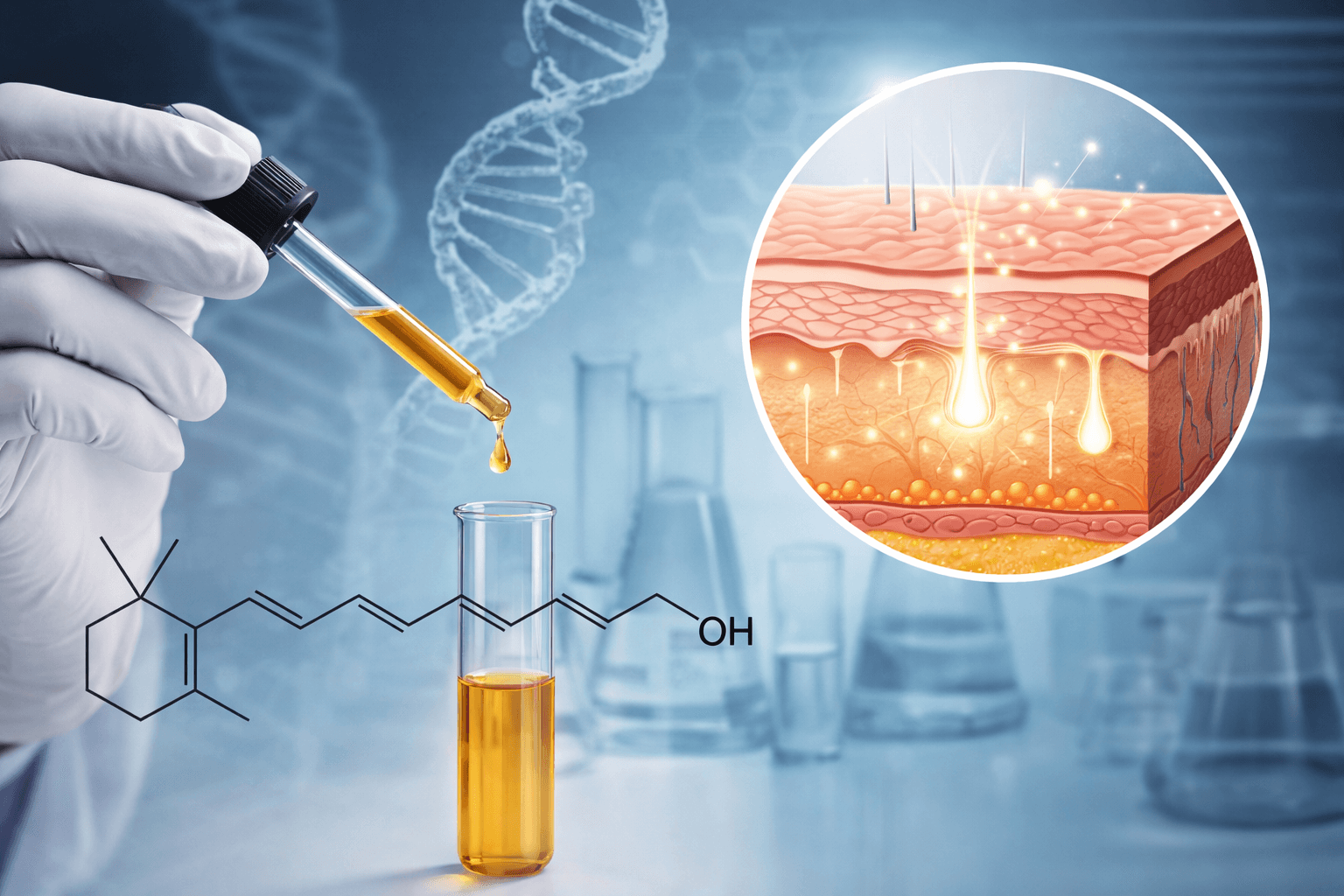
Retinoids Explained: Differences Between Retinol, Retinal, and HPR (+ Studies)
Hello from Repic Clinic in Gangnam!
Among functional skincare ingredients, Vitamin A derivatives (retinoids) are well-studied, with over 70 years of research supporting their benefits.
Retinoids are known to improve a wide range of concerns: wrinkles, pores, fine lines, skin texture, and pigmentation. Choosing the right type for your skin is key.
In this guide, we’ll cover:
Retinoid basics
Differences between Retinol, Retinal, and HPR
Recent clinical comparisons
How to select the right retinoid for your skin
What is a Retinoid?
Retinoids are derivatives of Vitamin A that help promote skin cell turnover, the natural process by which skin regenerates.
Normal skin renews roughly every 28 days, but aging and environmental factors can slow this cycle. Retinoids help restore this turnover, addressing acne, pigmentation, and rough skin texture.
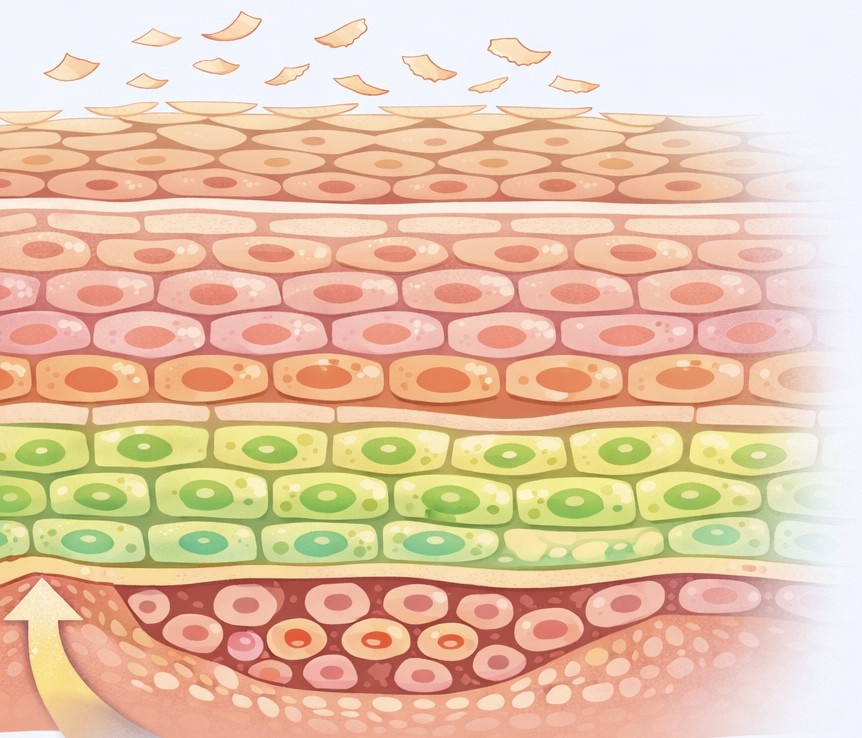
Common retinoids in skincare include Retinol, Retinal, and HPR, each with unique properties.
Retinol vs Retinal vs HPR: What’s the Difference?
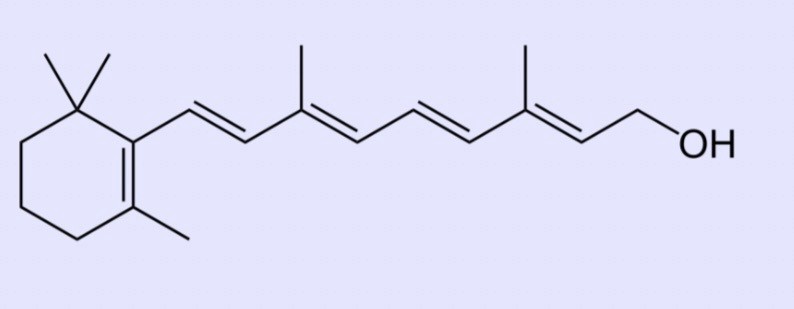
Retinol Molecular Structure
Retinol
Converts into retinal → then retinoic acid in 2 steps
Slower results, but stable and gentle
Most widely used and popular form
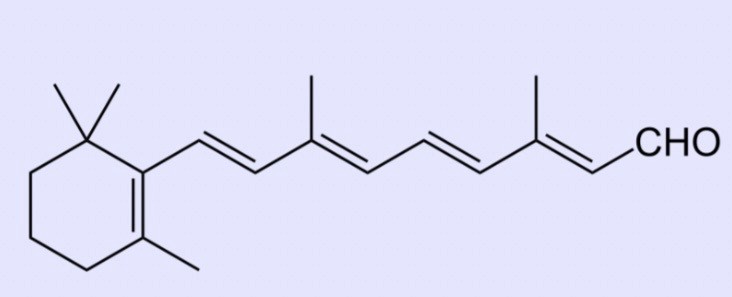
Retinal Molecular Structure
Retinal
Converts into retinoic acid in 1 step
Faster effects than Retinol
Chemically less stable, harder to formulate
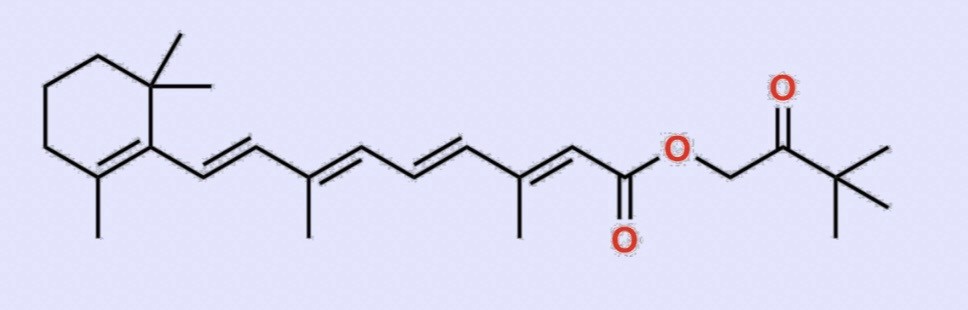
HPR Molecular Structure
HPR (Hydroxypinacolone Retinoate)
Acts directly with minimal conversion
Immediate results upon application
Less irritating and more stable, considered a 4th-generation retinoid
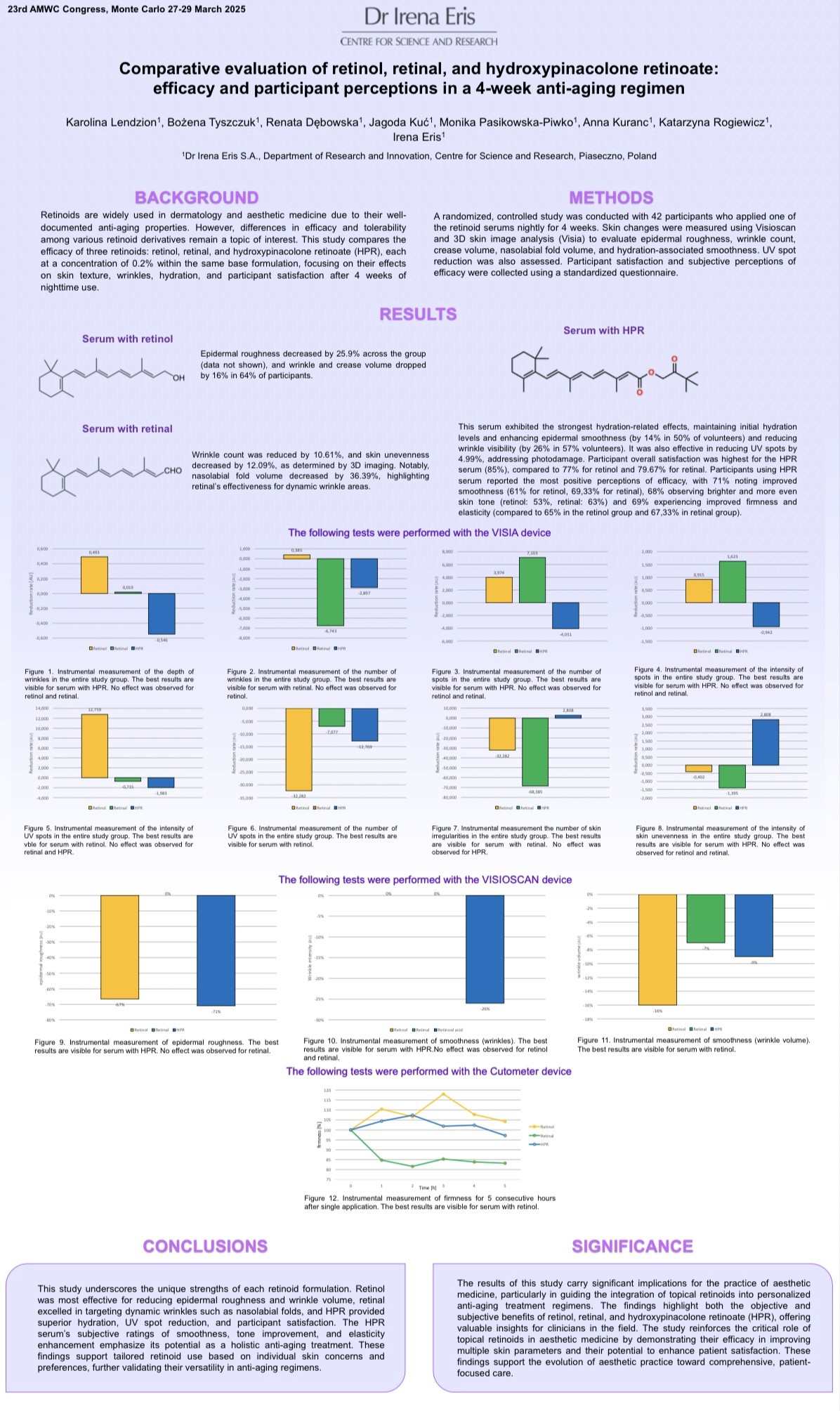
Clinical Evidence (AMWC 2025, Monte Carlo)
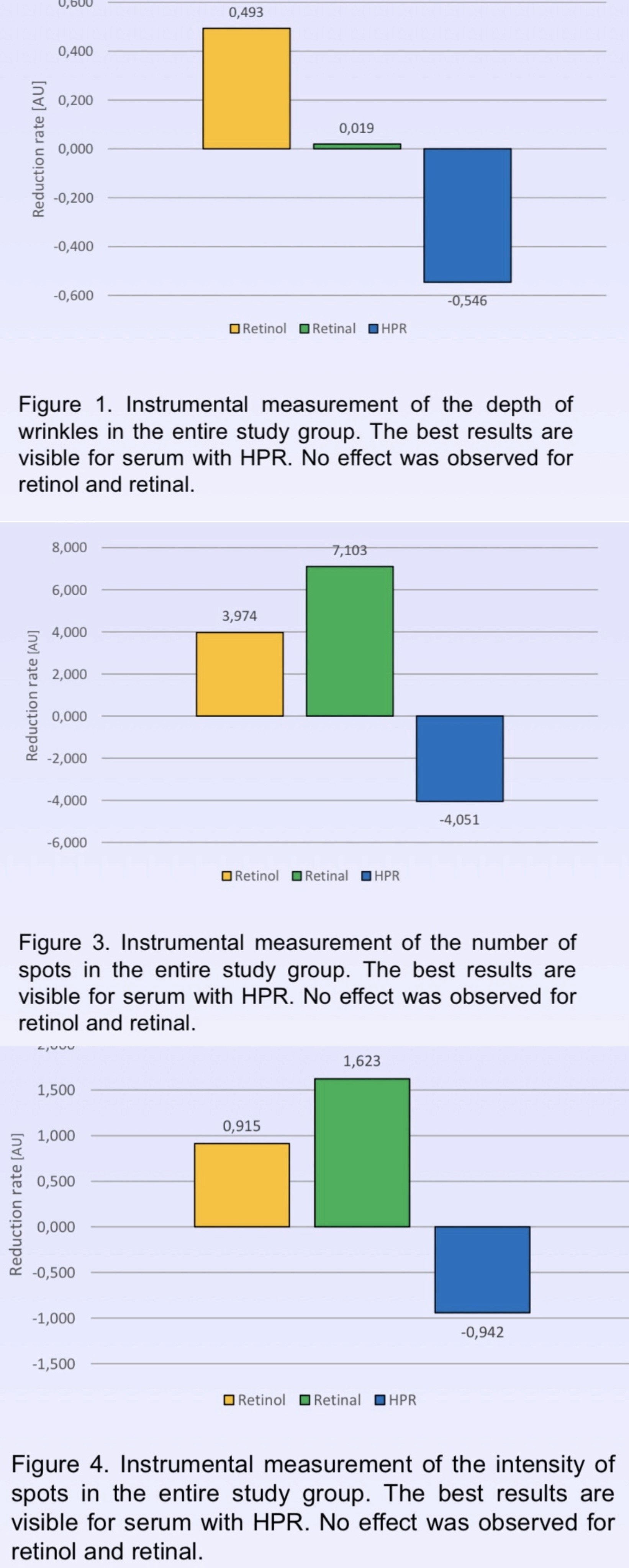
According to a study presented at the 2025 Monte Carlo International Conference, 42 participants applied a 0.2% concentration of the same skincare formulation for 4 weeks.
The results showed that no single ingredient was overwhelmingly superior; instead, each retinoid demonstrated strengths in different areas.
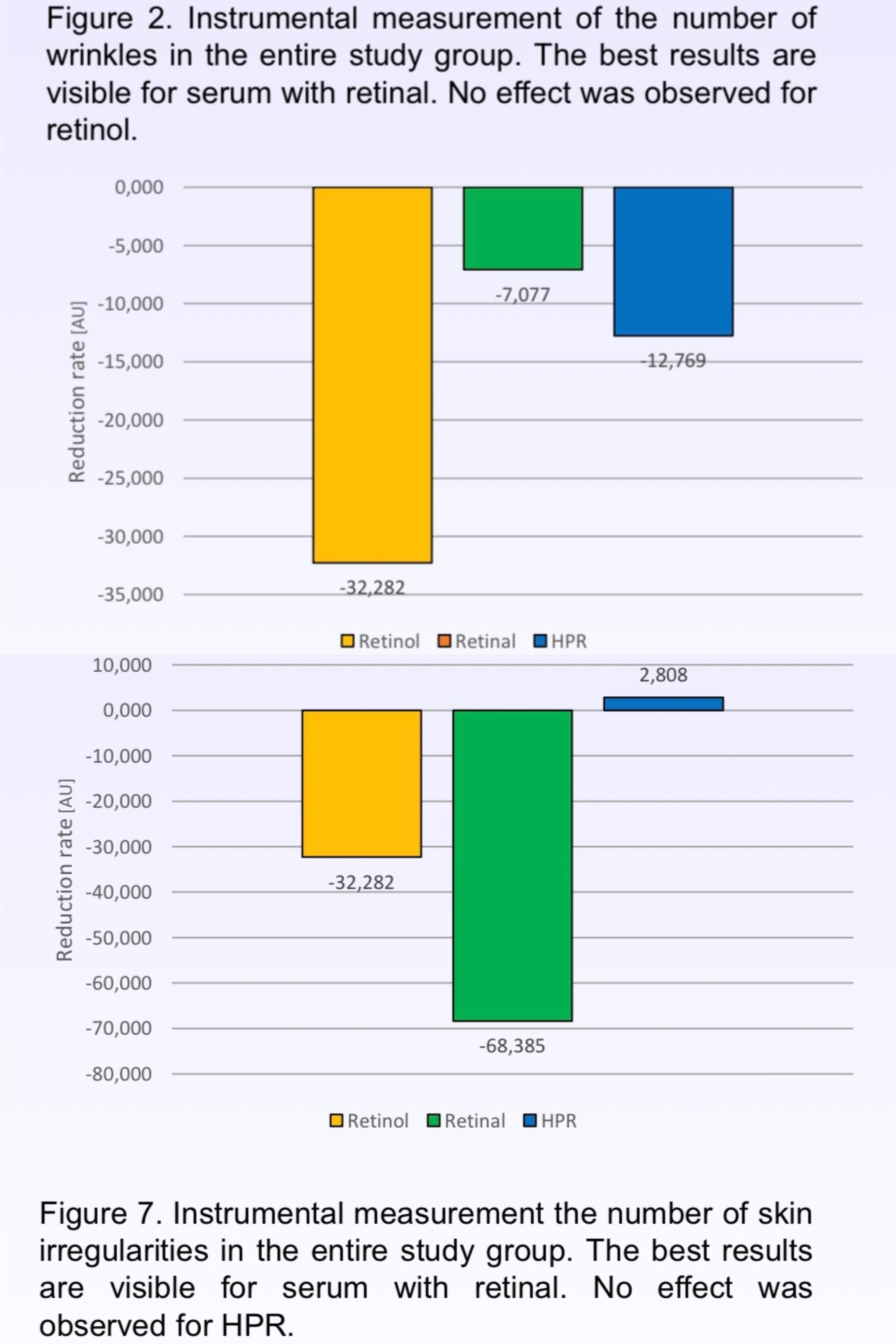
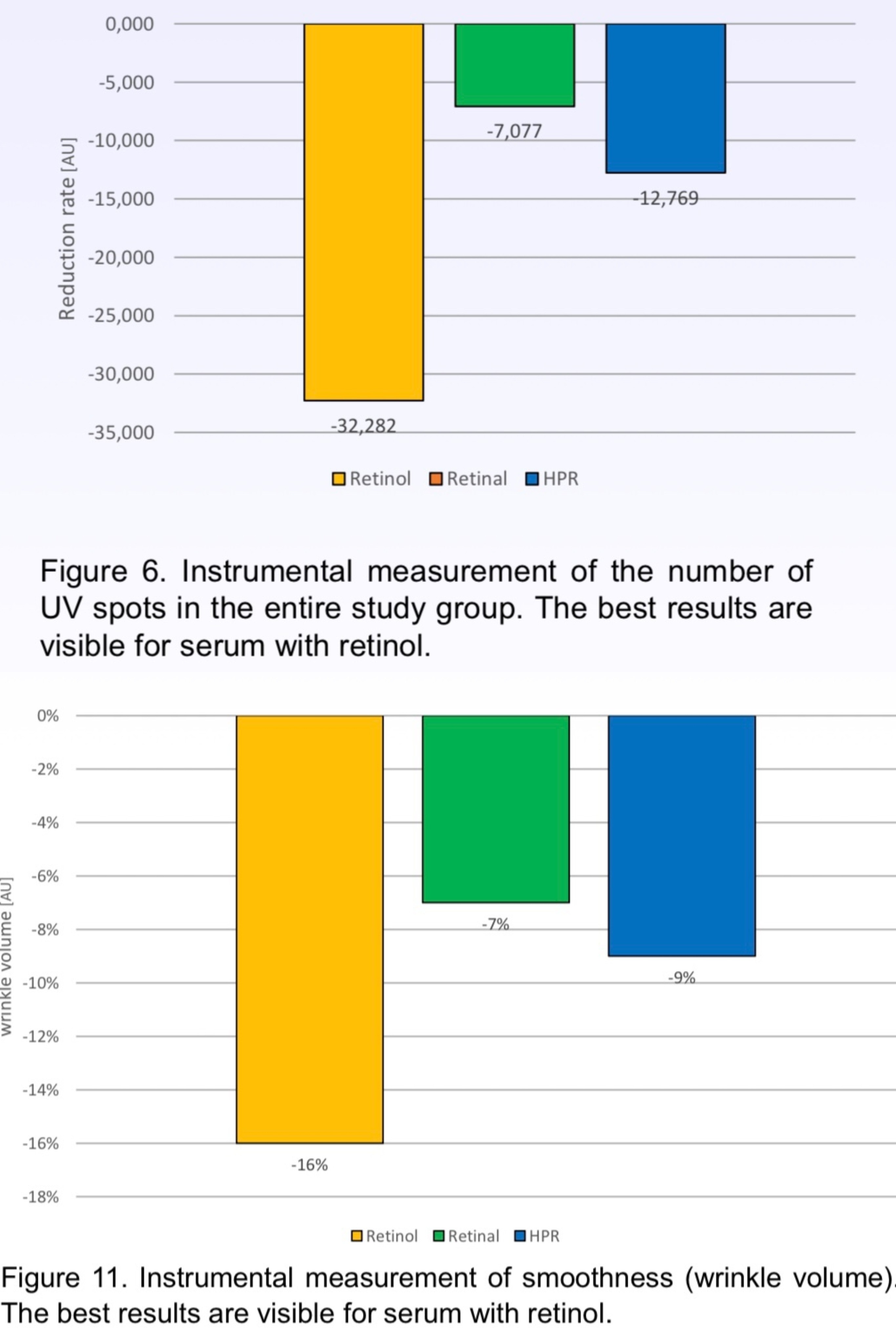
Efficacy Comparison: Retinal / Retinol / HPR
Retinoid | Primary Effects |
|---|---|
Retinol | Sun-induced pigmentation, wrinkles |
Retinal | Number of wrinkles, skin texture improvement |
HPR | Wrinkle depth, pigmentation, texture improvement |
Key takeaway: Each retinoid targets slightly different aspects, no single retinoid is universally “best.”
⚠️ Retinoid Usage Guidelines
Start low & slow: Begin with low concentrations 2–3 times per week in the evening. Avoid daily use at first.
Expect dryness or irritation: Apply moisturizer after retinoids; sensitive skin may benefit from mixing with a cream.
Always wear sunscreen: Retinoids temporarily increase UV sensitivity. SPF 30+/PA+++ is essential.
Avoid after procedures: Wait 5–7 days after lasers or peels until your skin barrier recovers.
Avoid during pregnancy & breastfeeding: Vitamin A derivatives are not recommended. See Safe Skincare During Pregnancy
Choose the Right Retinoid for Your Skin
Accurate skin type and condition analysis is crucial before selecting a retinoid. Misuse can cause irritation or barrier damage.
At Repic Clinic, we use advanced diagnostic tools — MarkVu & MetaVu— to assess:
Pores and texture
Skin barrier function
Redness and pigmentation
Moisture & sebum balance
Aging progression
These analyses guide personalized skincare and retinoid selection, the first step toward healthier skin.
Summary
We’ve explored:
Retinoid basics
Differences between Retinol, Retinal, HPR
Effects backed by clinical research
Skin-type-specific selection and precautions
Vitamin A derivatives are powerful yet precise tools for skin improvement. Personalized application based on skin type and condition ensures maximum benefits with minimal risk.
Repic Clinic will continue providing practical, evidence-based skincare advice to help your skin stay healthy.
FAQ: Retinoids in Skincare (Retinol, Retinal, and HPR)
Which retinoid works fastest for visible skin improvement?
HPR (Hydroxypinacolone Retinoate) works quickly because it acts directly on the skin without needing conversion, giving faster results compared to retinol or retinal.
Is the retinal stronger than retinol for wrinkles?
Yes, retinal converts to retinoic acid in one step, making it faster-acting than retinol for improving wrinkles and skin texture.
Does HPR cause less irritation than retinol?
Yes, HPR is more stable and gentle, so it generally causes less irritation while still delivering effective anti-aging benefits.
How do I choose the right retinoid type?
Choosing the right retinoid depends on your skin type, sensitivity, and goals. Experts at REPIC clinic use advanced skin analysis to guide personalized retinoid selection.
Can retinoids improve pigmentation and skin texture together?
Yes, retinoids help boost cell turnover, which can simultaneously reduce pigmentation and smooth out uneven skin texture over time.
Start your skincare journey!
Book a consultation at REPIC Clinic now!
Tags:
Share this blog
Related Posts.
Looking for more expert insights? Explore these articles from our team of skincare specialists.

Skincare Recommendations
Back to Menu
Rewrite Your Beauty Story with REPIC Clinic
The more you understand your skin, the better decisions you can make about your daily habits and long-term skincare plan. Knowledge is the first step toward healthy, confident skin.
Ready to discover what your skin truly needs?
Back to Menu
Retinoids Explained: Retinol, Retinal, and HPR
Retinoids Explained: Differences Between Retinol, Retinal, and HPR (+ Studies)
Hello from Repic Clinic in Gangnam!
Among functional skincare ingredients, Vitamin A derivatives (retinoids) are well-studied, with over 70 years of research supporting their benefits.
Retinoids are known to improve a wide range of concerns: wrinkles, pores, fine lines, skin texture, and pigmentation. Choosing the right type for your skin is key.
In this guide, we’ll cover:
Retinoid basics
Differences between Retinol, Retinal, and HPR
Recent clinical comparisons
How to select the right retinoid for your skin
What is a Retinoid?
Retinoids are derivatives of Vitamin A that help promote skin cell turnover, the natural process by which skin regenerates.
Normal skin renews roughly every 28 days, but aging and environmental factors can slow this cycle. Retinoids help restore this turnover, addressing acne, pigmentation, and rough skin texture.
Common retinoids in skincare include Retinol, Retinal, and HPR, each with unique properties.
Retinol vs Retinal vs HPR: What’s the Difference?
Retinol Molecular Structure
Retinol
Converts into retinal → then retinoic acid in 2 steps
Slower results, but stable and gentle
Most widely used and popular form
Retinal Molecular Structure
Retinal
Converts into retinoic acid in 1 step
Faster effects than Retinol
Chemically less stable, harder to formulate
HPR Molecular Structure
HPR (Hydroxypinacolone Retinoate)
Acts directly with minimal conversion
Immediate results upon application
Less irritating and more stable, considered a 4th-generation retinoid
Clinical Evidence (AMWC 2025, Monte Carlo)
According to a study presented at the 2025 Monte Carlo International Conference, 42 participants applied a 0.2% concentration of the same skincare formulation for 4 weeks.
The results showed that no single ingredient was overwhelmingly superior; instead, each retinoid demonstrated strengths in different areas.
Efficacy Comparison: Retinal / Retinol / HPR
Retinoid | Primary Effects |
|---|---|
Retinol | Sun-induced pigmentation, wrinkles |
Retinal | Number of wrinkles, skin texture improvement |
HPR | Wrinkle depth, pigmentation, texture improvement |
Key takeaway: Each retinoid targets slightly different aspects, no single retinoid is universally “best.”
⚠️ Retinoid Usage Guidelines
Start low & slow: Begin with low concentrations 2–3 times per week in the evening. Avoid daily use at first.
Expect dryness or irritation: Apply moisturizer after retinoids; sensitive skin may benefit from mixing with a cream.
Always wear sunscreen: Retinoids temporarily increase UV sensitivity. SPF 30+/PA+++ is essential.
Avoid after procedures: Wait 5–7 days after lasers or peels until your skin barrier recovers.
Avoid during pregnancy & breastfeeding: Vitamin A derivatives are not recommended. See Safe Skincare During Pregnancy
Choose the Right Retinoid for Your Skin
Accurate skin type and condition analysis is crucial before selecting a retinoid. Misuse can cause irritation or barrier damage.
At Repic Clinic, we use advanced diagnostic tools — MarkVu & MetaVu— to assess:
Pores and texture
Skin barrier function
Redness and pigmentation
Moisture & sebum balance
Aging progression
These analyses guide personalized skincare and retinoid selection, the first step toward healthier skin.
Summary
We’ve explored:
Retinoid basics
Differences between Retinol, Retinal, HPR
Effects backed by clinical research
Skin-type-specific selection and precautions
Vitamin A derivatives are powerful yet precise tools for skin improvement. Personalized application based on skin type and condition ensures maximum benefits with minimal risk.
Repic Clinic will continue providing practical, evidence-based skincare advice to help your skin stay healthy.
FAQ: Retinoids in Skincare (Retinol, Retinal, and HPR)
Which retinoid works fastest for visible skin improvement?
HPR (Hydroxypinacolone Retinoate) works quickly because it acts directly on the skin without needing conversion, giving faster results compared to retinol or retinal.
Is the retinal stronger than retinol for wrinkles?
Yes, retinal converts to retinoic acid in one step, making it faster-acting than retinol for improving wrinkles and skin texture.
Does HPR cause less irritation than retinol?
Yes, HPR is more stable and gentle, so it generally causes less irritation while still delivering effective anti-aging benefits.
How do I choose the right retinoid type?
Choosing the right retinoid depends on your skin type, sensitivity, and goals. Experts at REPIC clinic use advanced skin analysis to guide personalized retinoid selection.
Can retinoids improve pigmentation and skin texture together?
Yes, retinoids help boost cell turnover, which can simultaneously reduce pigmentation and smooth out uneven skin texture over time.
Start your skincare journey!
Book a consultation at REPIC Clinic now!
Tags:
Share this blog
Related Posts.
Looking for more expert insights? Explore these articles from our team of skincare specialists.
Skincare Recommendations
Back to Menu
Rewrite Your Beauty Story with REPIC Clinic
The more you understand your skin, the better decisions you can make about your daily habits and long-term skincare plan. Knowledge is the first step toward healthy, confident skin.
Ready to discover what your skin truly needs?
Back to Menu
Retinoids Explained: Retinol, Retinal, and HPR
Retinoids Explained: Differences Between Retinol, Retinal, and HPR (+ Studies)
Hello from Repic Clinic in Gangnam!
Among functional skincare ingredients, Vitamin A derivatives (retinoids) are well-studied, with over 70 years of research supporting their benefits.
Retinoids are known to improve a wide range of concerns: wrinkles, pores, fine lines, skin texture, and pigmentation. Choosing the right type for your skin is key.
In this guide, we’ll cover:
Retinoid basics
Differences between Retinol, Retinal, and HPR
Recent clinical comparisons
How to select the right retinoid for your skin
What is a Retinoid?
Retinoids are derivatives of Vitamin A that help promote skin cell turnover, the natural process by which skin regenerates.
Normal skin renews roughly every 28 days, but aging and environmental factors can slow this cycle. Retinoids help restore this turnover, addressing acne, pigmentation, and rough skin texture.
Common retinoids in skincare include Retinol, Retinal, and HPR, each with unique properties.
Retinol vs Retinal vs HPR: What’s the Difference?
Retinol Molecular Structure
Retinol
Converts into retinal → then retinoic acid in 2 steps
Slower results, but stable and gentle
Most widely used and popular form
Retinal Molecular Structure
Retinal
Converts into retinoic acid in 1 step
Faster effects than Retinol
Chemically less stable, harder to formulate
HPR Molecular Structure
HPR (Hydroxypinacolone Retinoate)
Acts directly with minimal conversion
Immediate results upon application
Less irritating and more stable, considered a 4th-generation retinoid
Clinical Evidence (AMWC 2025, Monte Carlo)
According to a study presented at the 2025 Monte Carlo International Conference, 42 participants applied a 0.2% concentration of the same skincare formulation for 4 weeks.
The results showed that no single ingredient was overwhelmingly superior; instead, each retinoid demonstrated strengths in different areas.
Efficacy Comparison: Retinal / Retinol / HPR
Retinoid | Primary Effects |
|---|---|
Retinol | Sun-induced pigmentation, wrinkles |
Retinal | Number of wrinkles, skin texture improvement |
HPR | Wrinkle depth, pigmentation, texture improvement |
Key takeaway: Each retinoid targets slightly different aspects, no single retinoid is universally “best.”
⚠️ Retinoid Usage Guidelines
Start low & slow: Begin with low concentrations 2–3 times per week in the evening. Avoid daily use at first.
Expect dryness or irritation: Apply moisturizer after retinoids; sensitive skin may benefit from mixing with a cream.
Always wear sunscreen: Retinoids temporarily increase UV sensitivity. SPF 30+/PA+++ is essential.
Avoid after procedures: Wait 5–7 days after lasers or peels until your skin barrier recovers.
Avoid during pregnancy & breastfeeding: Vitamin A derivatives are not recommended. See Safe Skincare During Pregnancy
Choose the Right Retinoid for Your Skin
Accurate skin type and condition analysis is crucial before selecting a retinoid. Misuse can cause irritation or barrier damage.
At Repic Clinic, we use advanced diagnostic tools — MarkVu & MetaVu— to assess:
Pores and texture
Skin barrier function
Redness and pigmentation
Moisture & sebum balance
Aging progression
These analyses guide personalized skincare and retinoid selection, the first step toward healthier skin.
Summary
We’ve explored:
Retinoid basics
Differences between Retinol, Retinal, HPR
Effects backed by clinical research
Skin-type-specific selection and precautions
Vitamin A derivatives are powerful yet precise tools for skin improvement. Personalized application based on skin type and condition ensures maximum benefits with minimal risk.
Repic Clinic will continue providing practical, evidence-based skincare advice to help your skin stay healthy.
FAQ: Retinoids in Skincare (Retinol, Retinal, and HPR)
Which retinoid works fastest for visible skin improvement?
HPR (Hydroxypinacolone Retinoate) works quickly because it acts directly on the skin without needing conversion, giving faster results compared to retinol or retinal.
Is the retinal stronger than retinol for wrinkles?
Yes, retinal converts to retinoic acid in one step, making it faster-acting than retinol for improving wrinkles and skin texture.
Does HPR cause less irritation than retinol?
Yes, HPR is more stable and gentle, so it generally causes less irritation while still delivering effective anti-aging benefits.
How do I choose the right retinoid type?
Choosing the right retinoid depends on your skin type, sensitivity, and goals. Experts at REPIC clinic use advanced skin analysis to guide personalized retinoid selection.
Can retinoids improve pigmentation and skin texture together?
Yes, retinoids help boost cell turnover, which can simultaneously reduce pigmentation and smooth out uneven skin texture over time.
Start your skincare journey!
Book a consultation at REPIC Clinic now!
Tags:
Share this blog
Related Posts.
Looking for more expert insights? Explore these articles from our team of skincare specialists.
Skincare Recommendations
Back to Menu
Rewrite Your Beauty Story with
REPIC Clinic
The more you understand your skin, the better decisions you can make about your daily habits and long-term skincare plan. Knowledge is the first step toward healthy, confident skin.
Ready to discover what your skin truly needs?