Back to Menu
Runner’s Face - Does Running Age Your Skin?
SKIN WIKI
SKIN WIKI
Understanding Runner’s Face and How to Protect Your Skin
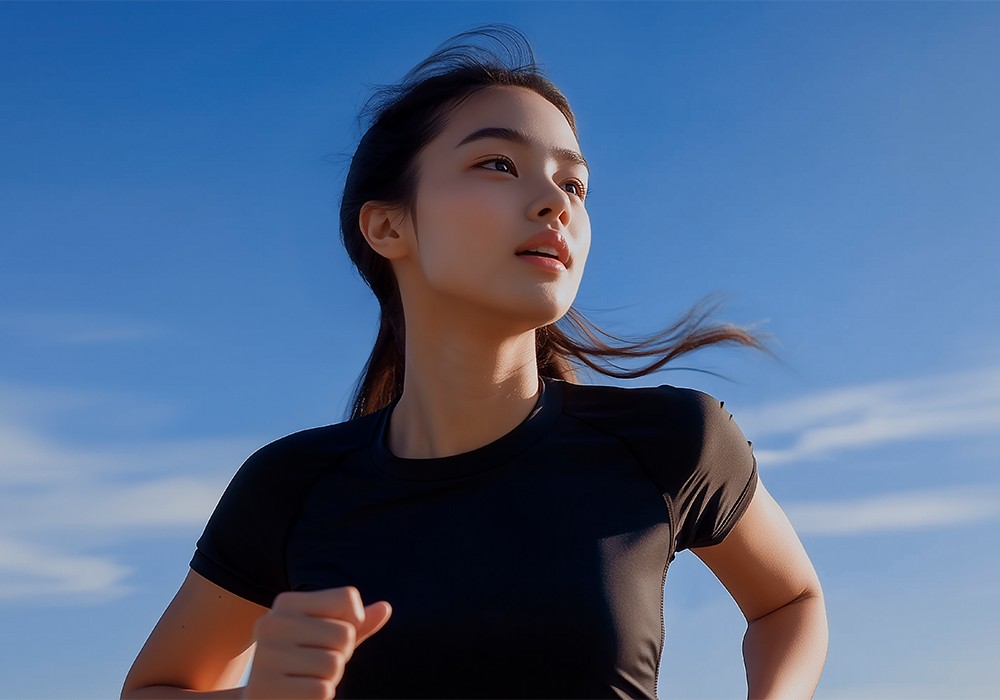
Today, we’re exploring how running affects your skin and what you can do to prevent premature aging.
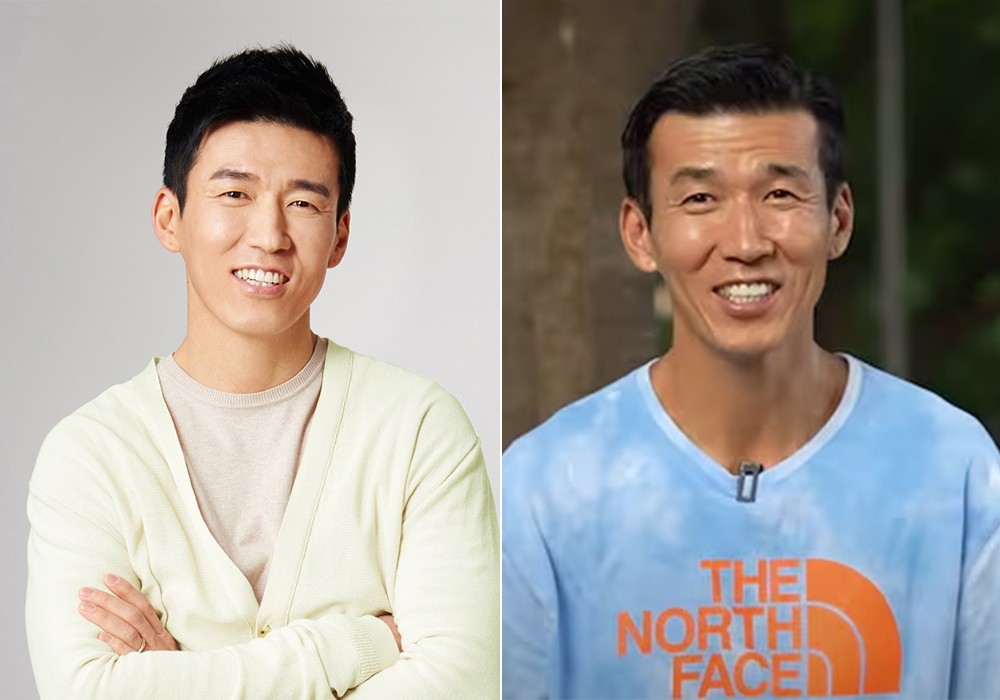
Figure1. Singer Jinu Sean, known for donating through running events.
What is Runner’s Face?
Have you heard of Runner’s Face?
Although the term is still uncommon in Korea, overseas it’s used to describe the sagging, loss of facial elasticity often seen in long-distance runners or marathon athletes.
This raises an important question:
Does running really age your skin?
The answer is not simply “yes” or “no”. Skin aging during exercise is influenced by both internal and external factors, which we’ll break down below.

1. Photodamage (Sun Exposure)
UV rays penetrate deep into the skin, damaging collagen and elastin, which are crucial for skin elasticity.
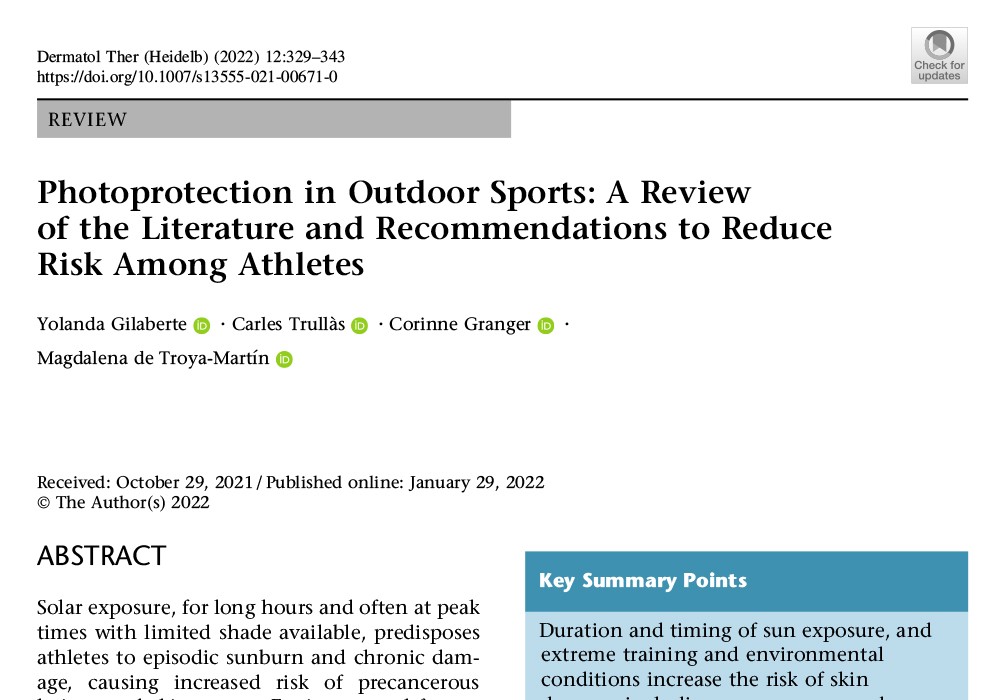
Study reference: Photoprotection in Outdoor Sports: A Review of the Literature and Recommendations to Reduce Risk Among Athletes
Research on runners, swimmers, kitesurfers, and skateboarders shows:
UVB damages the epidermis
UVA penetrates deeper, affecting the dermis
Bottom line: Sun exposure gradually destroys skin elasticity, contributing to sagging and wrinkles.

2. Oxidative Stress
When running, your heart rate rises, generating reactive oxygen species (ROS), also known as free radicals.
These ROS can damage cells and tissues, accelerating skin aging.
ROS activate collagen-degrading enzymes (MMPs), leading to wrinkles and sagging.
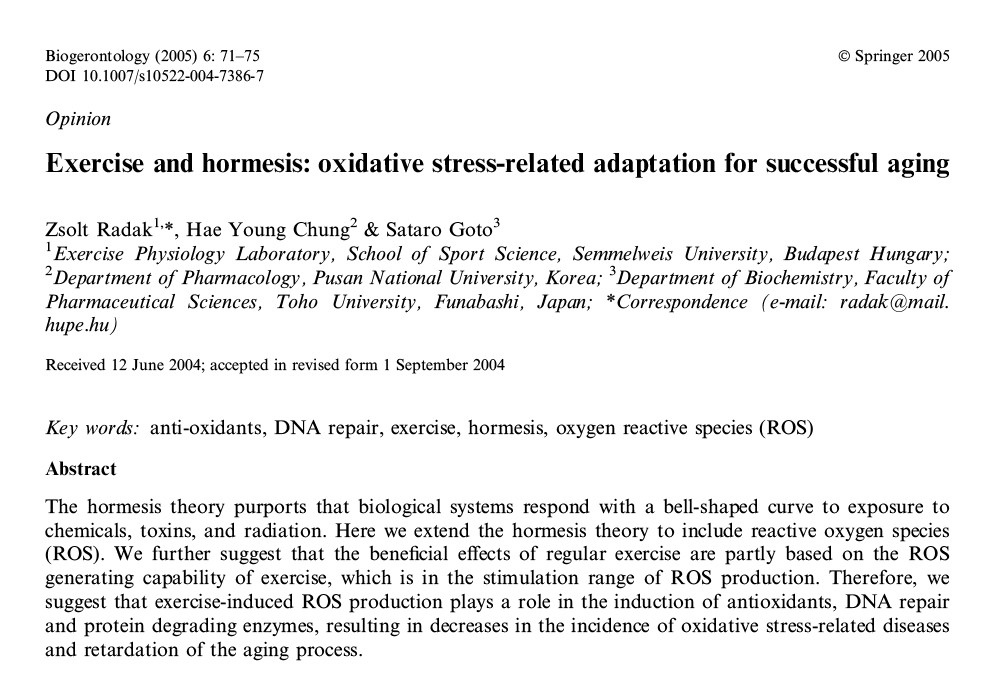
Study reference: Exercise and hormesis: oxidative stress-related adaptation for successful aging
Good news: Moderate running can boost your body’s antioxidant defenses, so running isn’t inherently harmful, balance is key.
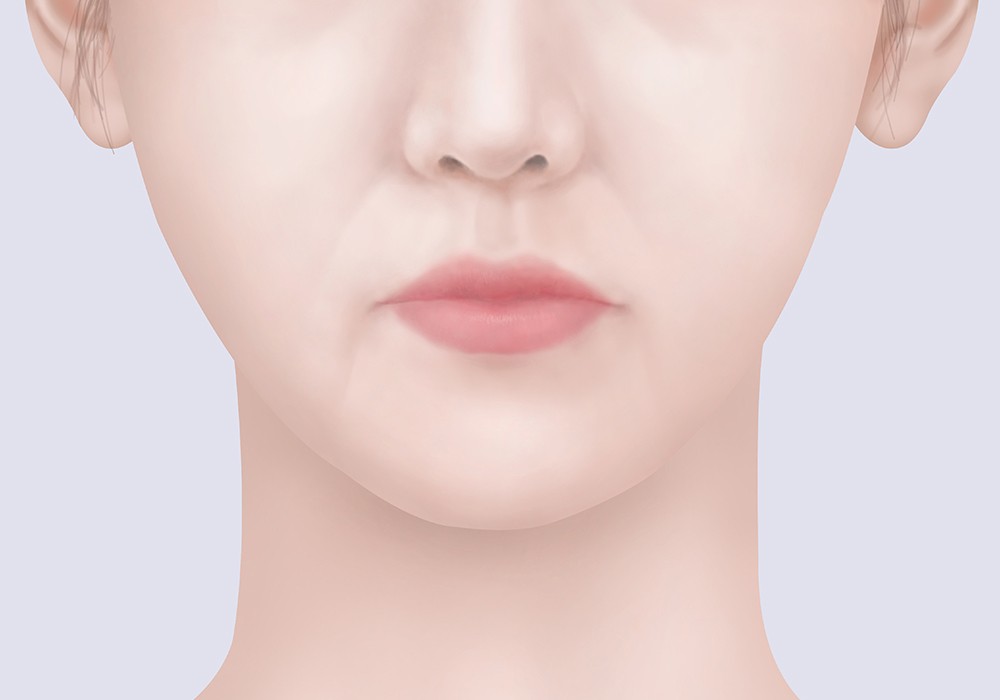
3. Loss of Facial Fat
Running burns fat effectively, but excessive fat loss can make your face appear older, especially in areas prone to volume loss due to aging:
Under-eye hollows
Cheeks and mid-face
Nasolabial folds
Jawline
Too much fat loss can accentuate sagging and hollowness, emphasizing aging.
How to Protect Your Skin While Running
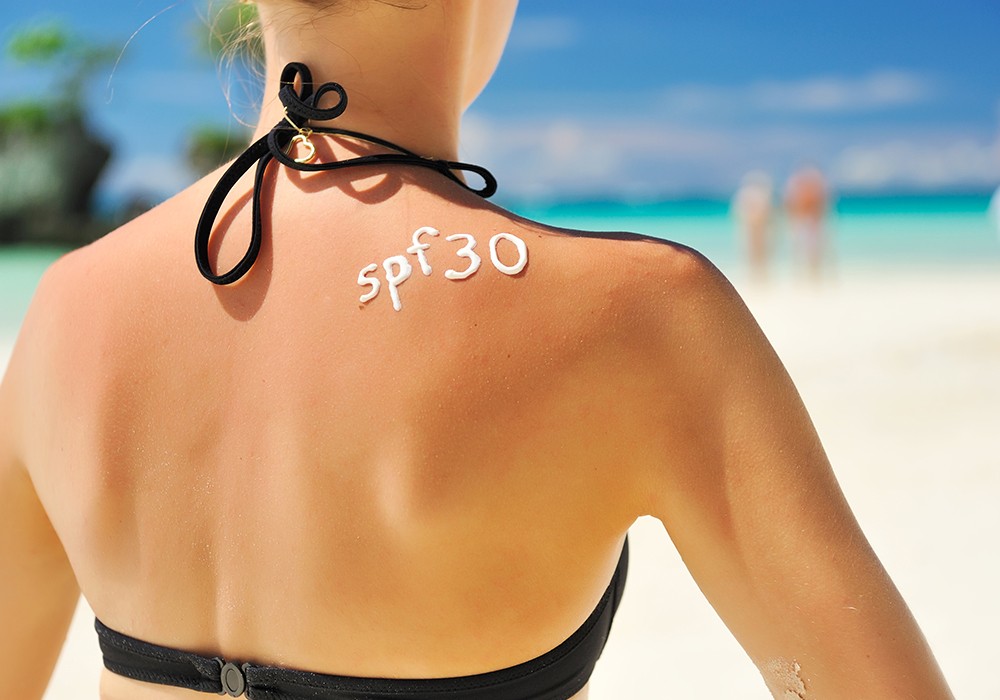
Use Sunscreen Religiously
SPF 30+ and PA+++ waterproof sunscreen
Apply 20–30 minutes before exercise and reapply every 2 hours
Don’t forget lips!

Consume Antioxidants & Hydrating Foods
Foods rich in vitamins C & E: blueberries, cherry tomatoes, broccoli
Hydrate with water or antioxidant drinks to support skin recovery
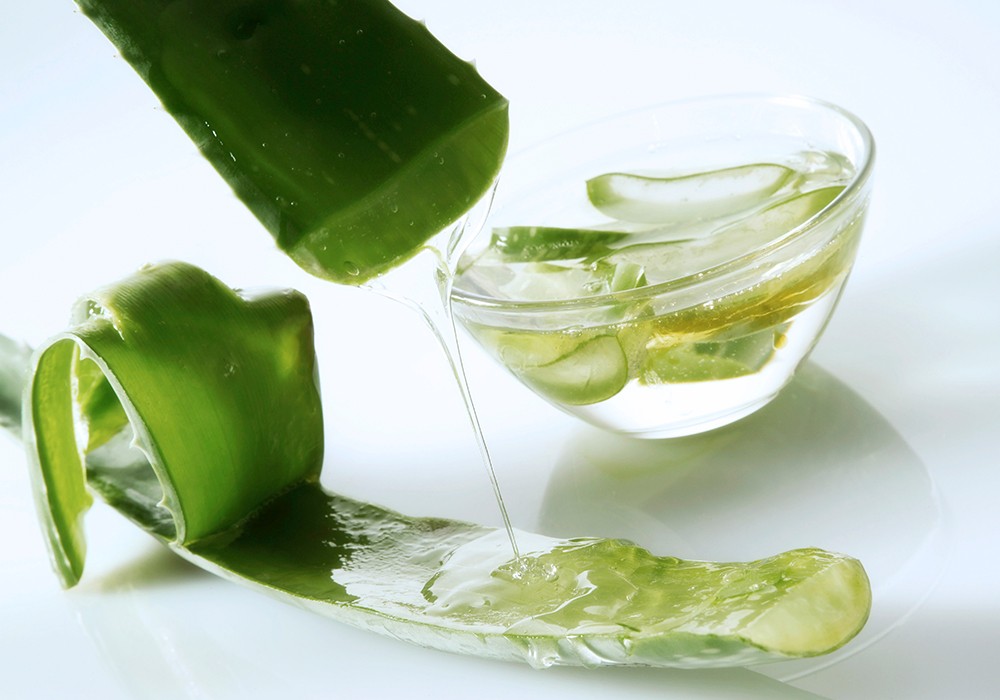
Run at Safe Times
Avoid running between 10 AM – 4 PM when UV exposure is strongest
After running, cool and soothe your skin with aloe gel or saline packs
If Skin Aging Has Already Started
Even if aging signs have begun, there are effective treatments:
1. Volume Loss & Sagging
High-frequency lifting (e.g., Oligio RF)
Stimulates collagen and elastin production in the dermis
Improves facial elasticity and reduces fine lines
2. Pigmentation, Freckles & Uneven Skin Tone
Dual Toning Laser
Combines Genesis Laser + Toning Laser (755 or 1064nm)
Reduces sun-induced pigmentation, freckles, and dullness
Brightens and evens skin tone
While many other treatments exist, the most important step is assessing your current skin condition before starting any procedure.
Key Takeaways
Running doesn’t automatically age your skin, but UV exposure, oxidative stress, and fat loss can contribute.
Prevention is key: sunscreen, antioxidants, proper timing, and post-run care.
If aging signs are present, treatments like RF lifting and dual toning can help restore elasticity and brightness.
Always start with a precise skin assessment before choosing any treatment.
FAQ
Does running cause premature aging of the skin?
Framer is a no-code tool for building and publishing responsive websites—perfect for anyone creating modern, high-performance pages without coding.
How does sweat affect collagen and elasticity in the skin?
Framer is fully visual with no code needed, but you can still add custom code and components for more control if you’re a designer or developer.
How can runners protect their skin from sun damage?
This is a free, responsive FAQ section for Framer. Drop it into any project, customize styles and text, and use it to save time on support or info pages.
Can running help improve overall skin health?
After duplicating, copy and paste the component into your Framer project. Then edit the questions, answers, styles, and animations as needed.
How does running affect under‑eye hollows or sagging?
Looking for antiaging treatments?
Book a consultation at REPIC Clinic now!
Tags:
Antiaging
Share this blog
Related Posts.
Looking for more expert insights? Explore these articles from our team of skincare specialists.
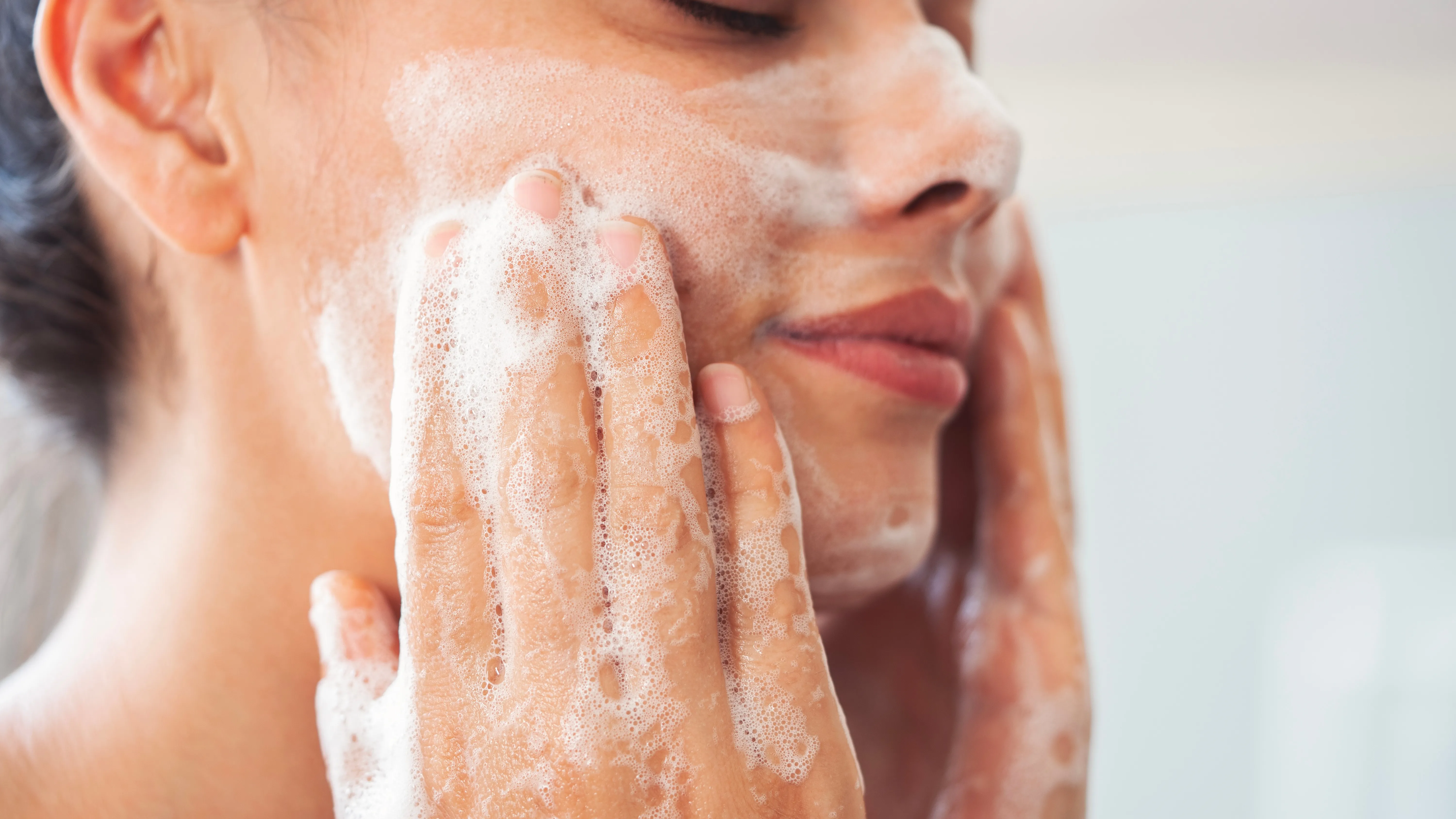

Skincare Recommendations

Back to Menu
Rewrite Your Beauty Story with REPIC Clinic
The more you understand your skin, the better decisions you can make about your daily habits and long-term skincare plan. Knowledge is the first step toward healthy, confident skin.
Ready to discover what your skin truly needs?
Back to Menu
Runner’s Face - Does Running Age Your Skin?
SKIN WIKI
SKIN WIKI
Understanding Runner’s Face and How to Protect Your Skin
Today, we’re exploring how running affects your skin and what you can do to prevent premature aging.
Figure1. Singer Jinu Sean, known for donating through running events.
What is Runner’s Face?
Have you heard of Runner’s Face?
Although the term is still uncommon in Korea, overseas it’s used to describe the sagging, loss of facial elasticity often seen in long-distance runners or marathon athletes.
This raises an important question:
Does running really age your skin?
The answer is not simply “yes” or “no”. Skin aging during exercise is influenced by both internal and external factors, which we’ll break down below.
1. Photodamage (Sun Exposure)
UV rays penetrate deep into the skin, damaging collagen and elastin, which are crucial for skin elasticity.
Study reference: Photoprotection in Outdoor Sports: A Review of the Literature and Recommendations to Reduce Risk Among Athletes
Research on runners, swimmers, kitesurfers, and skateboarders shows:
UVB damages the epidermis
UVA penetrates deeper, affecting the dermis
Bottom line: Sun exposure gradually destroys skin elasticity, contributing to sagging and wrinkles.
2. Oxidative Stress
When running, your heart rate rises, generating reactive oxygen species (ROS), also known as free radicals.
These ROS can damage cells and tissues, accelerating skin aging.
ROS activate collagen-degrading enzymes (MMPs), leading to wrinkles and sagging.
Study reference: Exercise and hormesis: oxidative stress-related adaptation for successful aging
Good news: Moderate running can boost your body’s antioxidant defenses, so running isn’t inherently harmful, balance is key.
3. Loss of Facial Fat
Running burns fat effectively, but excessive fat loss can make your face appear older, especially in areas prone to volume loss due to aging:
Under-eye hollows
Cheeks and mid-face
Nasolabial folds
Jawline
Too much fat loss can accentuate sagging and hollowness, emphasizing aging.
How to Protect Your Skin While Running
Use Sunscreen Religiously
SPF 30+ and PA+++ waterproof sunscreen
Apply 20–30 minutes before exercise and reapply every 2 hours
Don’t forget lips!
Consume Antioxidants & Hydrating Foods
Foods rich in vitamins C & E: blueberries, cherry tomatoes, broccoli
Hydrate with water or antioxidant drinks to support skin recovery
Run at Safe Times
Avoid running between 10 AM – 4 PM when UV exposure is strongest
After running, cool and soothe your skin with aloe gel or saline packs
If Skin Aging Has Already Started
Even if aging signs have begun, there are effective treatments:
1. Volume Loss & Sagging
High-frequency lifting (e.g., Oligio RF)
Stimulates collagen and elastin production in the dermis
Improves facial elasticity and reduces fine lines
2. Pigmentation, Freckles & Uneven Skin Tone
Dual Toning Laser
Combines Genesis Laser + Toning Laser (755 or 1064nm)
Reduces sun-induced pigmentation, freckles, and dullness
Brightens and evens skin tone
While many other treatments exist, the most important step is assessing your current skin condition before starting any procedure.
Key Takeaways
Running doesn’t automatically age your skin, but UV exposure, oxidative stress, and fat loss can contribute.
Prevention is key: sunscreen, antioxidants, proper timing, and post-run care.
If aging signs are present, treatments like RF lifting and dual toning can help restore elasticity and brightness.
Always start with a precise skin assessment before choosing any treatment.
FAQ
Does running cause premature aging of the skin?
Framer is a no-code tool for building and publishing responsive websites—perfect for anyone creating modern, high-performance pages without coding.
How does sweat affect collagen and elasticity in the skin?
Framer is fully visual with no code needed, but you can still add custom code and components for more control if you’re a designer or developer.
How can runners protect their skin from sun damage?
This is a free, responsive FAQ section for Framer. Drop it into any project, customize styles and text, and use it to save time on support or info pages.
Can running help improve overall skin health?
After duplicating, copy and paste the component into your Framer project. Then edit the questions, answers, styles, and animations as needed.
How does running affect under‑eye hollows or sagging?
Looking for antiaging treatments?
Book a consultation at REPIC Clinic now!
Tags:
Antiaging
Share this blog
Related Posts.
Looking for more expert insights? Explore these articles from our team of skincare specialists.
Skincare Recommendations
Back to Menu
Rewrite Your Beauty Story with REPIC Clinic
The more you understand your skin, the better decisions you can make about your daily habits and long-term skincare plan. Knowledge is the first step toward healthy, confident skin.
Ready to discover what your skin truly needs?
Back to Menu
Runner’s Face - Does Running Age Your Skin?
SKIN WIKI
SKIN WIKI
Understanding Runner’s Face and How to Protect Your Skin
Today, we’re exploring how running affects your skin and what you can do to prevent premature aging.
Figure1. Singer Jinu Sean, known for donating through running events.
What is Runner’s Face?
Have you heard of Runner’s Face?
Although the term is still uncommon in Korea, overseas it’s used to describe the sagging, loss of facial elasticity often seen in long-distance runners or marathon athletes.
This raises an important question:
Does running really age your skin?
The answer is not simply “yes” or “no”. Skin aging during exercise is influenced by both internal and external factors, which we’ll break down below.
1. Photodamage (Sun Exposure)
UV rays penetrate deep into the skin, damaging collagen and elastin, which are crucial for skin elasticity.
Study reference: Photoprotection in Outdoor Sports: A Review of the Literature and Recommendations to Reduce Risk Among Athletes
Research on runners, swimmers, kitesurfers, and skateboarders shows:
UVB damages the epidermis
UVA penetrates deeper, affecting the dermis
Bottom line: Sun exposure gradually destroys skin elasticity, contributing to sagging and wrinkles.
2. Oxidative Stress
When running, your heart rate rises, generating reactive oxygen species (ROS), also known as free radicals.
These ROS can damage cells and tissues, accelerating skin aging.
ROS activate collagen-degrading enzymes (MMPs), leading to wrinkles and sagging.
Study reference: Exercise and hormesis: oxidative stress-related adaptation for successful aging
Good news: Moderate running can boost your body’s antioxidant defenses, so running isn’t inherently harmful, balance is key.
3. Loss of Facial Fat
Running burns fat effectively, but excessive fat loss can make your face appear older, especially in areas prone to volume loss due to aging:
Under-eye hollows
Cheeks and mid-face
Nasolabial folds
Jawline
Too much fat loss can accentuate sagging and hollowness, emphasizing aging.
How to Protect Your Skin While Running
Use Sunscreen Religiously
SPF 30+ and PA+++ waterproof sunscreen
Apply 20–30 minutes before exercise and reapply every 2 hours
Don’t forget lips!
Consume Antioxidants & Hydrating Foods
Foods rich in vitamins C & E: blueberries, cherry tomatoes, broccoli
Hydrate with water or antioxidant drinks to support skin recovery
Run at Safe Times
Avoid running between 10 AM – 4 PM when UV exposure is strongest
After running, cool and soothe your skin with aloe gel or saline packs
If Skin Aging Has Already Started
Even if aging signs have begun, there are effective treatments:
1. Volume Loss & Sagging
High-frequency lifting (e.g., Oligio RF)
Stimulates collagen and elastin production in the dermis
Improves facial elasticity and reduces fine lines
2. Pigmentation, Freckles & Uneven Skin Tone
Dual Toning Laser
Combines Genesis Laser + Toning Laser (755 or 1064nm)
Reduces sun-induced pigmentation, freckles, and dullness
Brightens and evens skin tone
While many other treatments exist, the most important step is assessing your current skin condition before starting any procedure.
Key Takeaways
Running doesn’t automatically age your skin, but UV exposure, oxidative stress, and fat loss can contribute.
Prevention is key: sunscreen, antioxidants, proper timing, and post-run care.
If aging signs are present, treatments like RF lifting and dual toning can help restore elasticity and brightness.
Always start with a precise skin assessment before choosing any treatment.
FAQ
Does running cause premature aging of the skin?
Framer is a no-code tool for building and publishing responsive websites—perfect for anyone creating modern, high-performance pages without coding.
How does sweat affect collagen and elasticity in the skin?
Framer is fully visual with no code needed, but you can still add custom code and components for more control if you’re a designer or developer.
How can runners protect their skin from sun damage?
This is a free, responsive FAQ section for Framer. Drop it into any project, customize styles and text, and use it to save time on support or info pages.
Can running help improve overall skin health?
After duplicating, copy and paste the component into your Framer project. Then edit the questions, answers, styles, and animations as needed.
How does running affect under‑eye hollows or sagging?
Looking for antiaging treatments?
Book a consultation at REPIC Clinic now!
Tags:
Antiaging
Share this blog
Related Posts.
Looking for more expert insights? Explore these articles from our team of skincare specialists.
Skincare Recommendations
Back to Menu
Rewrite Your Beauty Story with
REPIC Clinic
The more you understand your skin, the better decisions you can make about your daily habits and long-term skincare plan. Knowledge is the first step toward healthy, confident skin.
Ready to discover what your skin truly needs?