Back to Menu
How We Choose The Right Laser Treatment For Your Stretch Marks
Patients come to me asking which treatment works best for stretch marks. My answer is always the same: it depends on the stretch mark. Laser treatment is being the most effective treatment Starting with an accurate assessment of the skin factors such as colour, depth, age, and location all influence which technology I recommend. At REPIC Clinic in Seoul, I use these clinical findings to guide treatment selection rather than relying on a one-size-fits-all approach.
The Factors We Consider Before Recommending a Stretch Mark Laser
Stretch marks are a normal part of life that can develop to anyone. Mostly it occurs in periods of growth, pregnancy, weight changes, or hormonal fluctuations, and they affect individuals of all ages and skin types.
Stretch marks are not a medical concern, but people choose to go toward treatment options to improve their skin. Questions like which laser treatment is best is mostly depends on several factors, including the type of stretch mark, how long it has been present, and the characteristics of the surrounding skin.
Before I recommend any treatment, I focus on understanding these factors first to help and ensure that the chosen treatment is appropriate for the skin condition. Today I’ll be giving you an overview of my process.
How Stretch Marks Form
Stretch marks occur due to rapid weight changes, hormonal fluctuations, genetics, and steroid use.
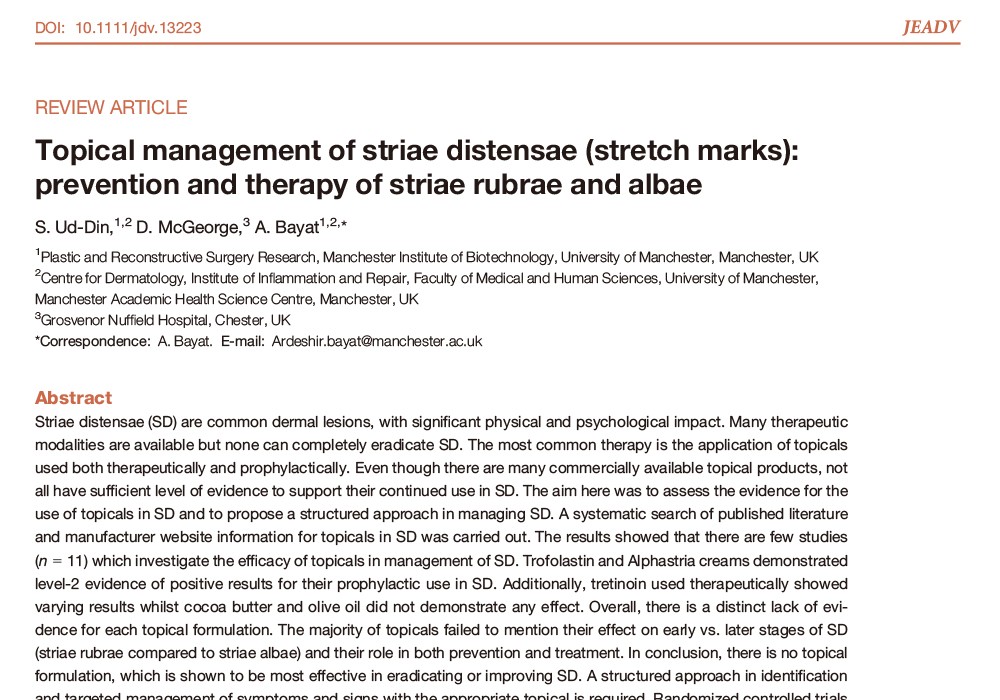
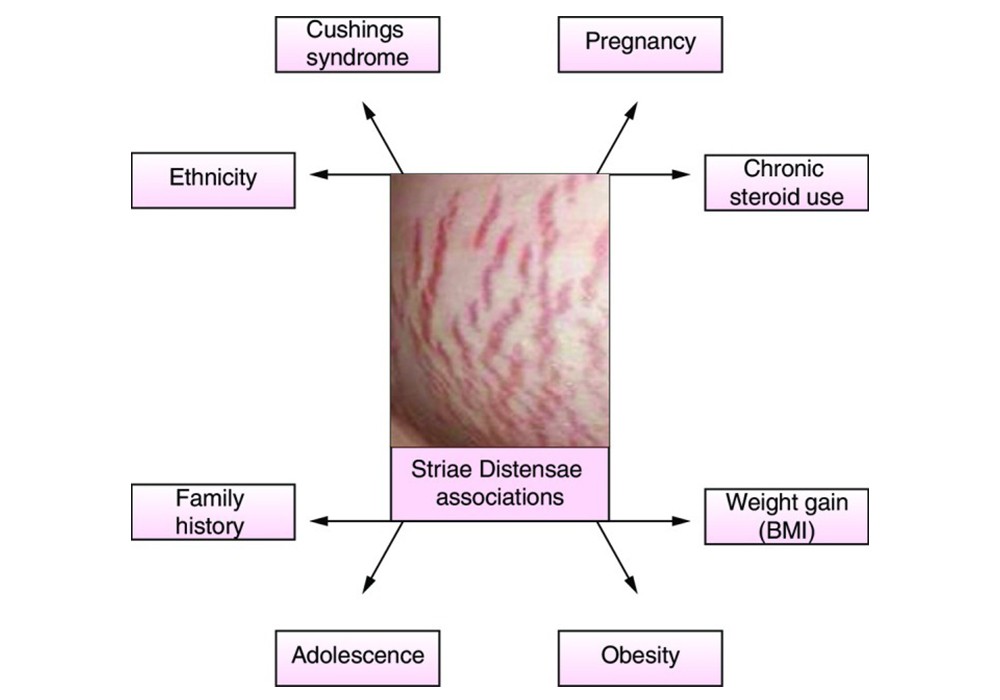
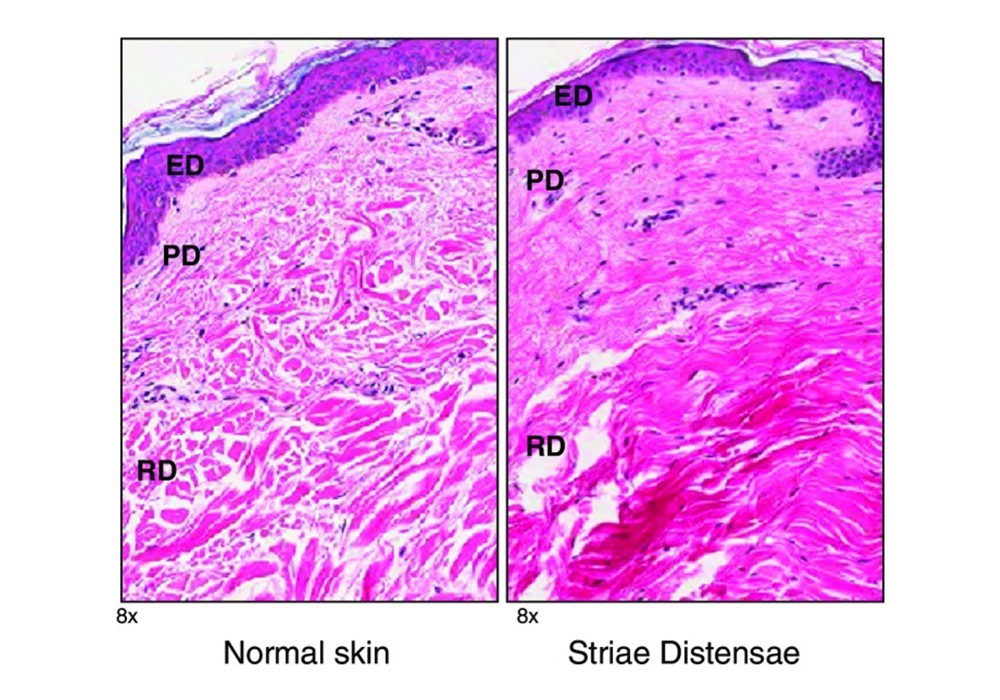
When the skin stretches suddenly, collagen and elastin fibers in the dermis are damaged, causing visible lines.
They are most common during pregnancy and adolescence because cortisol levels rise, which breaks down collagen fibers.
Types of Stretch Marks
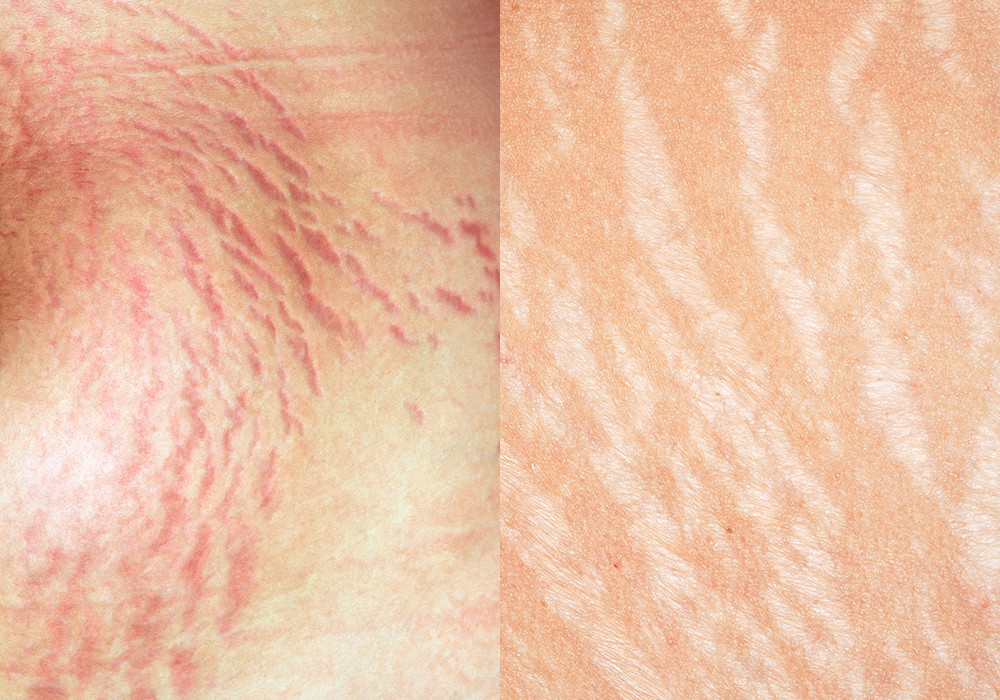
Not all stretch marks look the same. Depending on how long they have been present and the changes occurring within the skin, they can generally be divided into two categories.
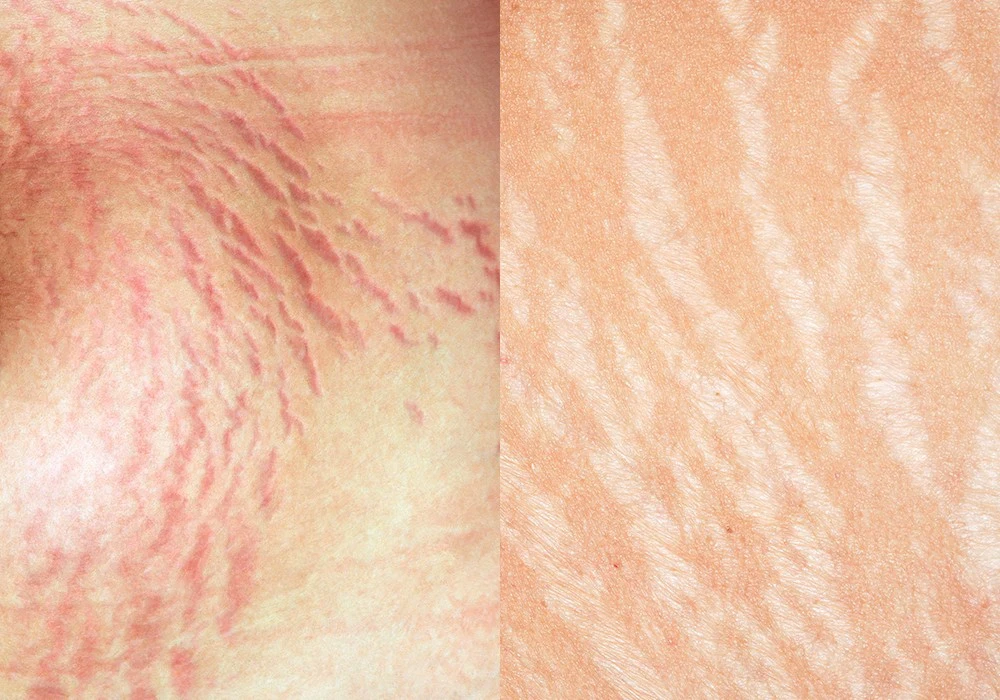
1. Red Stretch Marks (Striae Rubrae)
Early stage: red or purple lines on the abdomen, thighs, or buttocks
Features: vascular dilation, inflammatory cell infiltration, edema
Dermis begins extracellular matrix remodeling
2. White Stretch Marks (Striae Albae)
Later stage: white or silver-colored, slightly indented lines
Features: decreased inflammation, parallel collagen fibers, reduced elastic fibers, epidermal thinning
Reduced melanocyte activity makes them appear lighter than surrounding skin
Laser Treatments by Stretch Mark Type
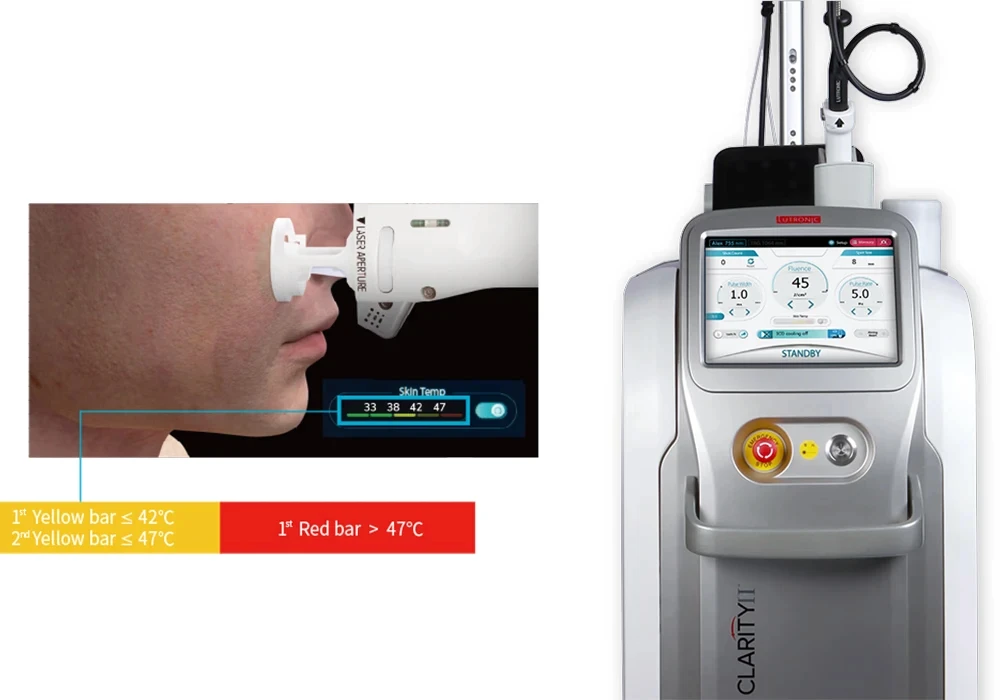
Red Stretch Marks (Striae Rubrae):
Use vascular lasers like Clarity
Targets abnormal blood vessels
Stimulates collagen regeneration
Early treatment is most effective
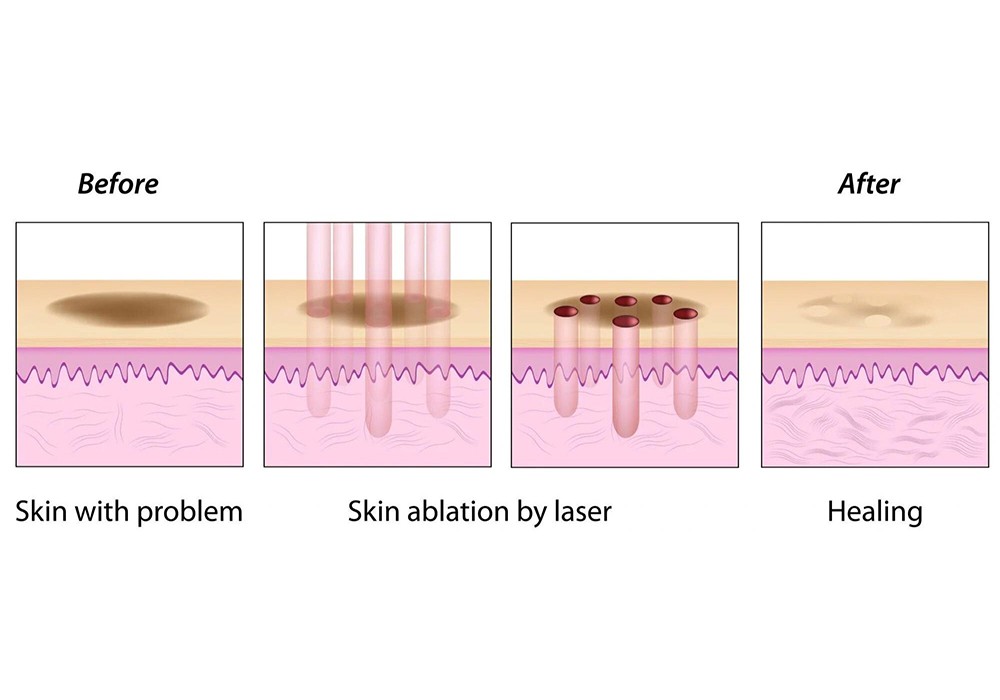
White Stretch Marks (Striae Albae):
More challenging and requires longer treatment duration
Use fractional lasers like Fraxel or CureJet
Similar to scar treatment, micro-injuries promote collagen formation
Heats deep dermis for tissue regeneration and smooths uneven skin surface
Side effects may include redness, crusting, and mild pain
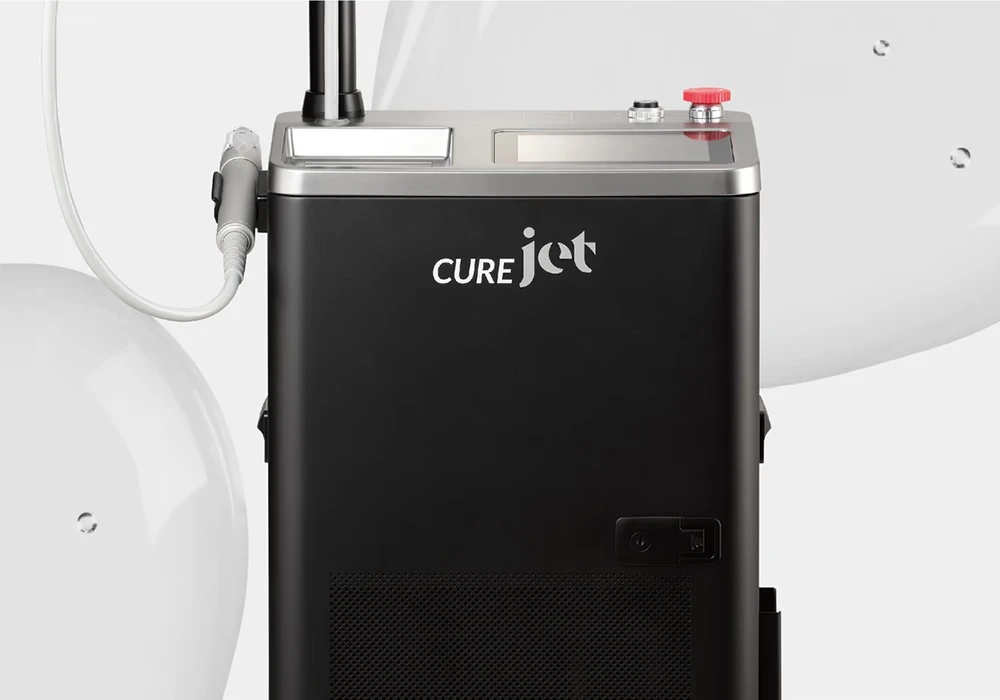
CureJet Device:
Needle-free injection system that delivers pressure to stimulate collagen
Minimal pain and fewer side effects compared to traditional lasers
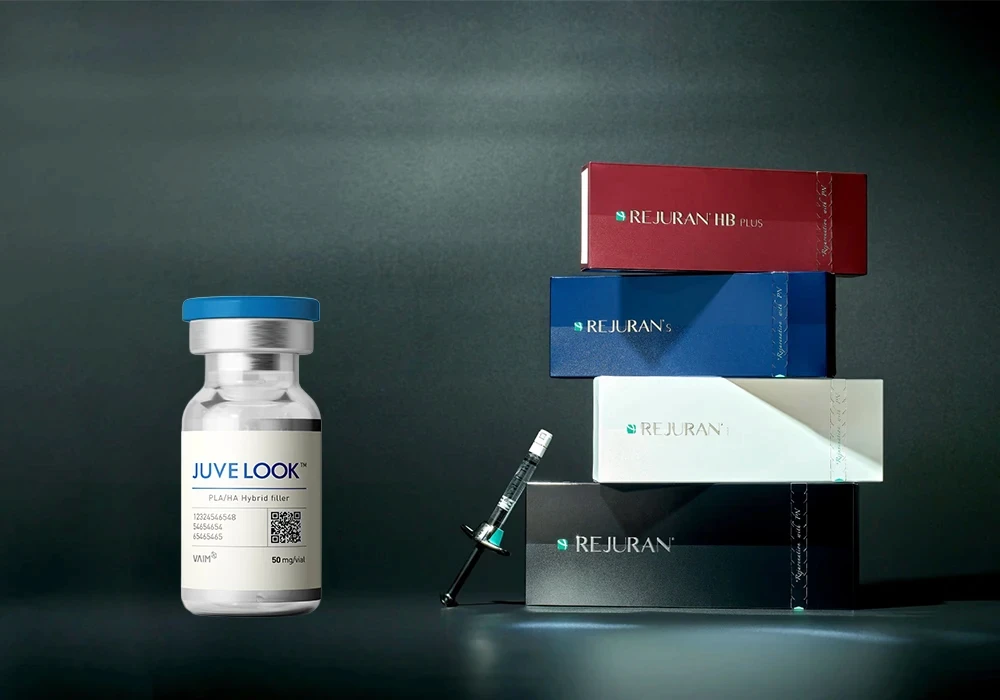
Can be combined with skin boosters like Rejuran or Juvederm Volume for enhanced results
Key Points for Stretch Mark Laser Treatment
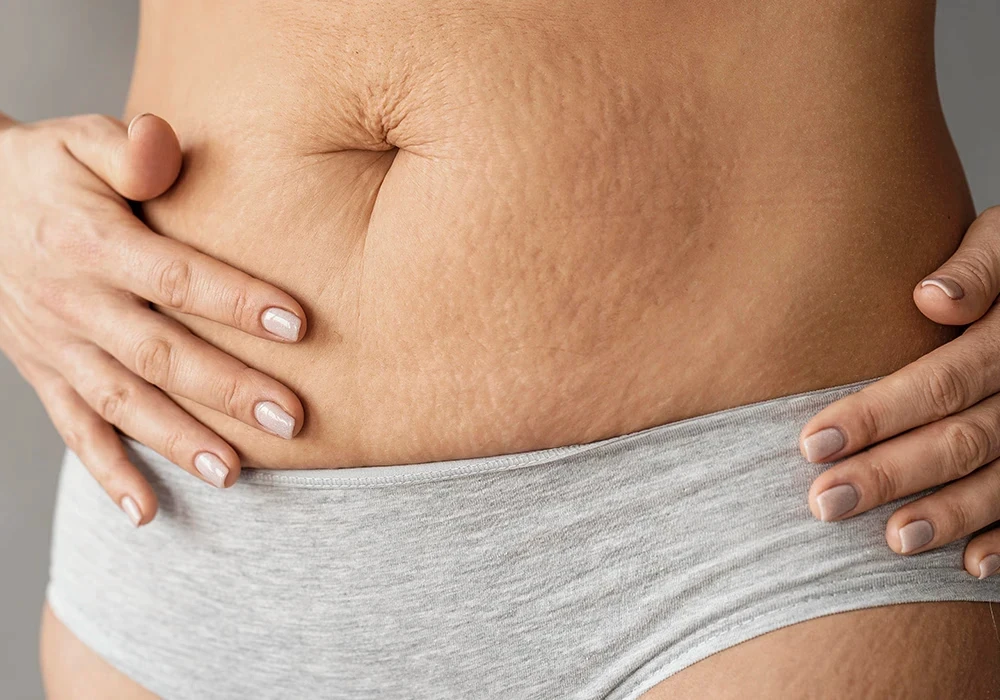
Different stretch mark types require different lasers.
Treatment approach depends on:
Type and stage of the stretch mark (red or white)
Age of the stretch mark
Size and severity
Skin thickness and treatment area
Individual skin characteristics and treatment goals

⚠️ Avoid using skin-colored tattoos to cover stretch marks, they may darken over time and are difficult to remove.

⚠ I generally advise against skin-coloured tattoos for stretch marks, as they can darken and complicate future treatment options.
Stretch Mark Laser Treatment Simplified
There is no single laser option that works best for every stretch mark. The most effective treatment strategy depends on factors such as the stage of the stretch mark, skin characteristics, and treatment objectives. At REPIC Clinic in Gangnam, Seoul, treatment recommendations are based on these individual factors rather than a one-size-fits-all approach.
FAQ: Stretch Marks
Do I need a consultation before choosing a stretch mark laser?
Yes. The type, age, and severity of the stretch mark help determine which treatment approach is most appropriate.
Can stretch marks be completely removed?
Not usually. Treatment focuses on improving their appearance and making them less noticeable.
What is the difference between treating red and white stretch marks?
Red stretch marks often respond better to vascular lasers, while white stretch marks typically require collagen-stimulating treatments.
Are stretch mark laser treatments painful?
Most treatments involve mild discomfort, but this varies depending on the device and treatment area.
How long does it take to see results from stretch mark treatment?
Stretch marks are usually faded and blended into your skin, typically requiring 3 to 6 sessions but the exact number of sessions depends on age and how deep your stretch marks.
Unsure what laser is suitable for you?
Book a consultation at REPIC Clinic now!
Tags:
Body
Share this blog
Related Posts.
Looking for more expert insights? Explore these articles from our team of skincare specialists.

Skincare Recommendations

Back to Menu
Back to Menu
How We Choose The Right Laser Treatment For Your Stretch Marks
Patients come to me asking which treatment works best for stretch marks. My answer is always the same: it depends on the stretch mark. Laser treatment is being the most effective treatment Starting with an accurate assessment of the skin factors such as colour, depth, age, and location all influence which technology I recommend. At REPIC Clinic in Seoul, I use these clinical findings to guide treatment selection rather than relying on a one-size-fits-all approach.
The Factors We Consider Before Recommending a Stretch Mark Laser
Stretch marks are a normal part of life that can develop to anyone. Mostly it occurs in periods of growth, pregnancy, weight changes, or hormonal fluctuations, and they affect individuals of all ages and skin types.
Stretch marks are not a medical concern, but people choose to go toward treatment options to improve their skin. Questions like which laser treatment is best is mostly depends on several factors, including the type of stretch mark, how long it has been present, and the characteristics of the surrounding skin.
Before I recommend any treatment, I focus on understanding these factors first to help and ensure that the chosen treatment is appropriate for the skin condition. Today I’ll be giving you an overview of my process.
How Stretch Marks Form
Stretch marks occur due to rapid weight changes, hormonal fluctuations, genetics, and steroid use.
When the skin stretches suddenly, collagen and elastin fibers in the dermis are damaged, causing visible lines.
They are most common during pregnancy and adolescence because cortisol levels rise, which breaks down collagen fibers.
Types of Stretch Marks
Not all stretch marks look the same. Depending on how long they have been present and the changes occurring within the skin, they can generally be divided into two categories.
1. Red Stretch Marks (Striae Rubrae)
Early stage: red or purple lines on the abdomen, thighs, or buttocks
Features: vascular dilation, inflammatory cell infiltration, edema
Dermis begins extracellular matrix remodeling
2. White Stretch Marks (Striae Albae)
Later stage: white or silver-colored, slightly indented lines
Features: decreased inflammation, parallel collagen fibers, reduced elastic fibers, epidermal thinning
Reduced melanocyte activity makes them appear lighter than surrounding skin
Laser Treatments by Stretch Mark Type
Red Stretch Marks (Striae Rubrae):
Use vascular lasers like Clarity
Targets abnormal blood vessels
Stimulates collagen regeneration
Early treatment is most effective
White Stretch Marks (Striae Albae):
More challenging and requires longer treatment duration
Use fractional lasers like Fraxel or CureJet
Similar to scar treatment, micro-injuries promote collagen formation
Heats deep dermis for tissue regeneration and smooths uneven skin surface
Side effects may include redness, crusting, and mild pain
CureJet Device:
Needle-free injection system that delivers pressure to stimulate collagen
Minimal pain and fewer side effects compared to traditional lasers
Can be combined with skin boosters like Rejuran or Juvederm Volume for enhanced results
Key Points for Stretch Mark Laser Treatment
Different stretch mark types require different lasers.
Treatment approach depends on:
Type and stage of the stretch mark (red or white)
Age of the stretch mark
Size and severity
Skin thickness and treatment area
Individual skin characteristics and treatment goals
⚠️ Avoid using skin-colored tattoos to cover stretch marks, they may darken over time and are difficult to remove.
⚠ I generally advise against skin-coloured tattoos for stretch marks, as they can darken and complicate future treatment options.
Stretch Mark Laser Treatment Simplified
There is no single laser option that works best for every stretch mark. The most effective treatment strategy depends on factors such as the stage of the stretch mark, skin characteristics, and treatment objectives. At REPIC Clinic in Gangnam, Seoul, treatment recommendations are based on these individual factors rather than a one-size-fits-all approach.
FAQ: Stretch Marks
Do I need a consultation before choosing a stretch mark laser?
Yes. The type, age, and severity of the stretch mark help determine which treatment approach is most appropriate.
Can stretch marks be completely removed?
Not usually. Treatment focuses on improving their appearance and making them less noticeable.
What is the difference between treating red and white stretch marks?
Red stretch marks often respond better to vascular lasers, while white stretch marks typically require collagen-stimulating treatments.
Are stretch mark laser treatments painful?
Most treatments involve mild discomfort, but this varies depending on the device and treatment area.
How long does it take to see results from stretch mark treatment?
Stretch marks are usually faded and blended into your skin, typically requiring 3 to 6 sessions but the exact number of sessions depends on age and how deep your stretch marks.
Unsure what laser is suitable for you?
Book a consultation at REPIC Clinic now!
Tags:
Body
Share this blog
Related Posts.
Looking for more expert insights? Explore these articles from our team of skincare specialists.
Skincare Recommendations
Back to Menu
Back to Menu
How We Choose The Right Laser Treatment For Your Stretch Marks
Patients come to me asking which treatment works best for stretch marks. My answer is always the same: it depends on the stretch mark. Laser treatment is being the most effective treatment Starting with an accurate assessment of the skin factors such as colour, depth, age, and location all influence which technology I recommend. At REPIC Clinic in Seoul, I use these clinical findings to guide treatment selection rather than relying on a one-size-fits-all approach.
The Factors We Consider Before Recommending a Stretch Mark Laser
Stretch marks are a normal part of life that can develop to anyone. Mostly it occurs in periods of growth, pregnancy, weight changes, or hormonal fluctuations, and they affect individuals of all ages and skin types.
Stretch marks are not a medical concern, but people choose to go toward treatment options to improve their skin. Questions like which laser treatment is best is mostly depends on several factors, including the type of stretch mark, how long it has been present, and the characteristics of the surrounding skin.
Before I recommend any treatment, I focus on understanding these factors first to help and ensure that the chosen treatment is appropriate for the skin condition. Today I’ll be giving you an overview of my process.
How Stretch Marks Form
Stretch marks occur due to rapid weight changes, hormonal fluctuations, genetics, and steroid use.
When the skin stretches suddenly, collagen and elastin fibers in the dermis are damaged, causing visible lines.
They are most common during pregnancy and adolescence because cortisol levels rise, which breaks down collagen fibers.
Types of Stretch Marks
Not all stretch marks look the same. Depending on how long they have been present and the changes occurring within the skin, they can generally be divided into two categories.
1. Red Stretch Marks (Striae Rubrae)
Early stage: red or purple lines on the abdomen, thighs, or buttocks
Features: vascular dilation, inflammatory cell infiltration, edema
Dermis begins extracellular matrix remodeling
2. White Stretch Marks (Striae Albae)
Later stage: white or silver-colored, slightly indented lines
Features: decreased inflammation, parallel collagen fibers, reduced elastic fibers, epidermal thinning
Reduced melanocyte activity makes them appear lighter than surrounding skin
Laser Treatments by Stretch Mark Type
Red Stretch Marks (Striae Rubrae):
Use vascular lasers like Clarity
Targets abnormal blood vessels
Stimulates collagen regeneration
Early treatment is most effective
White Stretch Marks (Striae Albae):
More challenging and requires longer treatment duration
Use fractional lasers like Fraxel or CureJet
Similar to scar treatment, micro-injuries promote collagen formation
Heats deep dermis for tissue regeneration and smooths uneven skin surface
Side effects may include redness, crusting, and mild pain
CureJet Device:
Needle-free injection system that delivers pressure to stimulate collagen
Minimal pain and fewer side effects compared to traditional lasers
Can be combined with skin boosters like Rejuran or Juvederm Volume for enhanced results
Key Points for Stretch Mark Laser Treatment
Different stretch mark types require different lasers.
Treatment approach depends on:
Type and stage of the stretch mark (red or white)
Age of the stretch mark
Size and severity
Skin thickness and treatment area
Individual skin characteristics and treatment goals
⚠️ Avoid using skin-colored tattoos to cover stretch marks, they may darken over time and are difficult to remove.
⚠ I generally advise against skin-coloured tattoos for stretch marks, as they can darken and complicate future treatment options.
Stretch Mark Laser Treatment Simplified
There is no single laser option that works best for every stretch mark. The most effective treatment strategy depends on factors such as the stage of the stretch mark, skin characteristics, and treatment objectives. At REPIC Clinic in Gangnam, Seoul, treatment recommendations are based on these individual factors rather than a one-size-fits-all approach.
FAQ: Stretch Marks
Do I need a consultation before choosing a stretch mark laser?
Yes. The type, age, and severity of the stretch mark help determine which treatment approach is most appropriate.
Can stretch marks be completely removed?
Not usually. Treatment focuses on improving their appearance and making them less noticeable.
What is the difference between treating red and white stretch marks?
Red stretch marks often respond better to vascular lasers, while white stretch marks typically require collagen-stimulating treatments.
Are stretch mark laser treatments painful?
Most treatments involve mild discomfort, but this varies depending on the device and treatment area.
How long does it take to see results from stretch mark treatment?
Stretch marks are usually faded and blended into your skin, typically requiring 3 to 6 sessions but the exact number of sessions depends on age and how deep your stretch marks.
Unsure what laser is suitable for you?
Book a consultation at REPIC Clinic now!
Tags:
Body
Share this blog
Related Posts.
Looking for more expert insights? Explore these articles from our team of skincare specialists.