Back to Menu
The Hidden Cause of Dehydrated Skin That Moisturizers Can't Fix
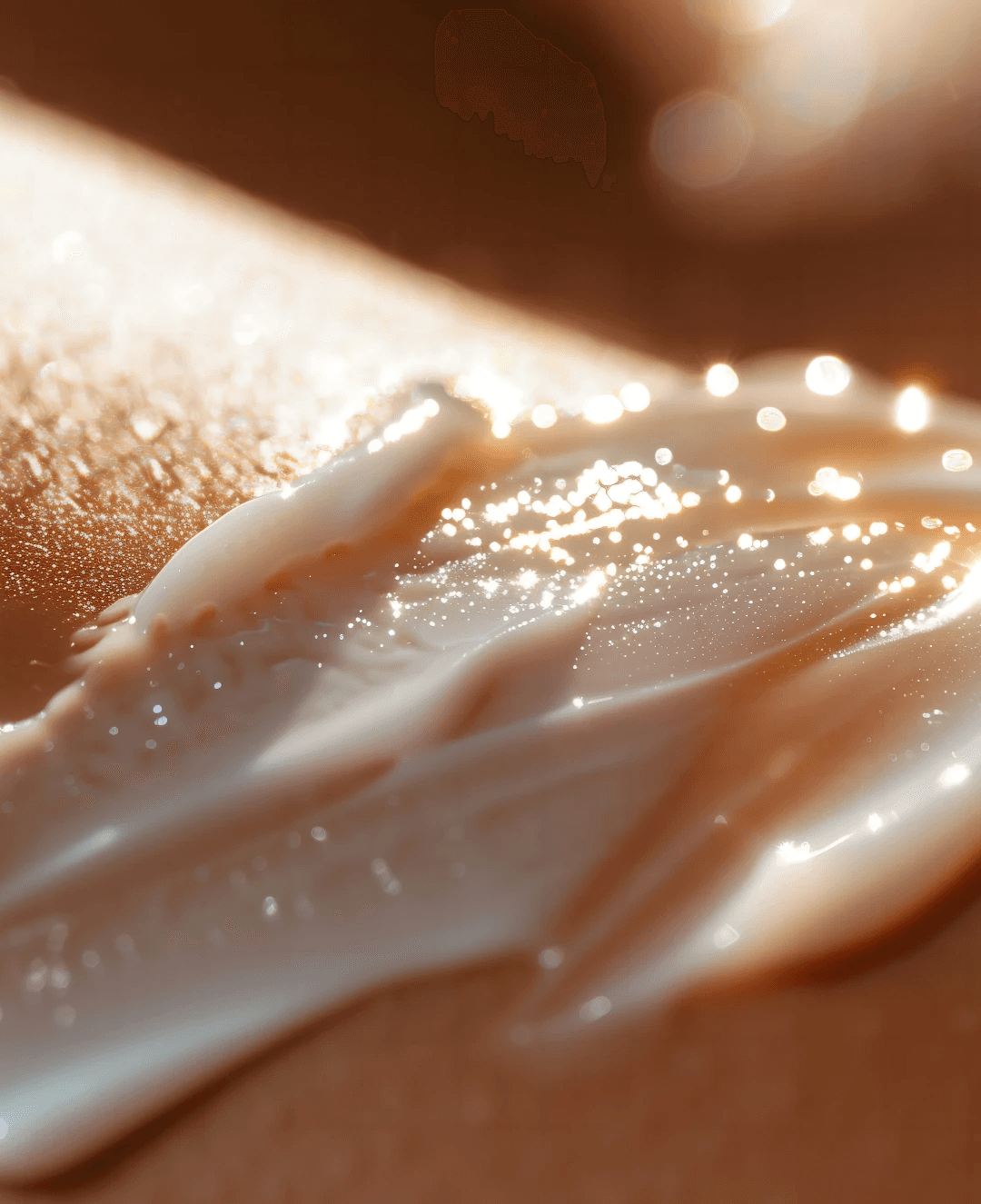
Among patients who visit Repic Clinic for consultations about inner skin dryness, there is one concern we hear repeatedly:
“I’ve tried switching moisturizers and applying generous amounts, but my skin still feels tight from within.”
In many cases, inner dryness cannot be resolved by skincare alone.
Although it may feel like the same type of tightness, the underlying causes of skin dryness can differ significantly from person to person.
That’s why today, we’d like to break down inner dryness into different types,
and help you understand what may be happening beneath the surface of your skin.
Why does my skin still feel tight despite moisturizers?
A weakened skin barrier, increased transepidermal water loss (TEWL), reduced dermal hydration, irritation, and age-related structural changes can all contribute to persistent inner skin dryness. While moisturizers help hydrate the skin's surface, they may not address the underlying cause of dehydration.
Dehydrated Skin vs Dry Skin: What's the Difference?
Many people use the terms dehydrated skin and dry skin interchangeably, but they are not the same condition. Dehydrated skin lacks water, while dry skin lacks oil. As a result, dehydrated skin can affect any skin type, including oily and combination skin.
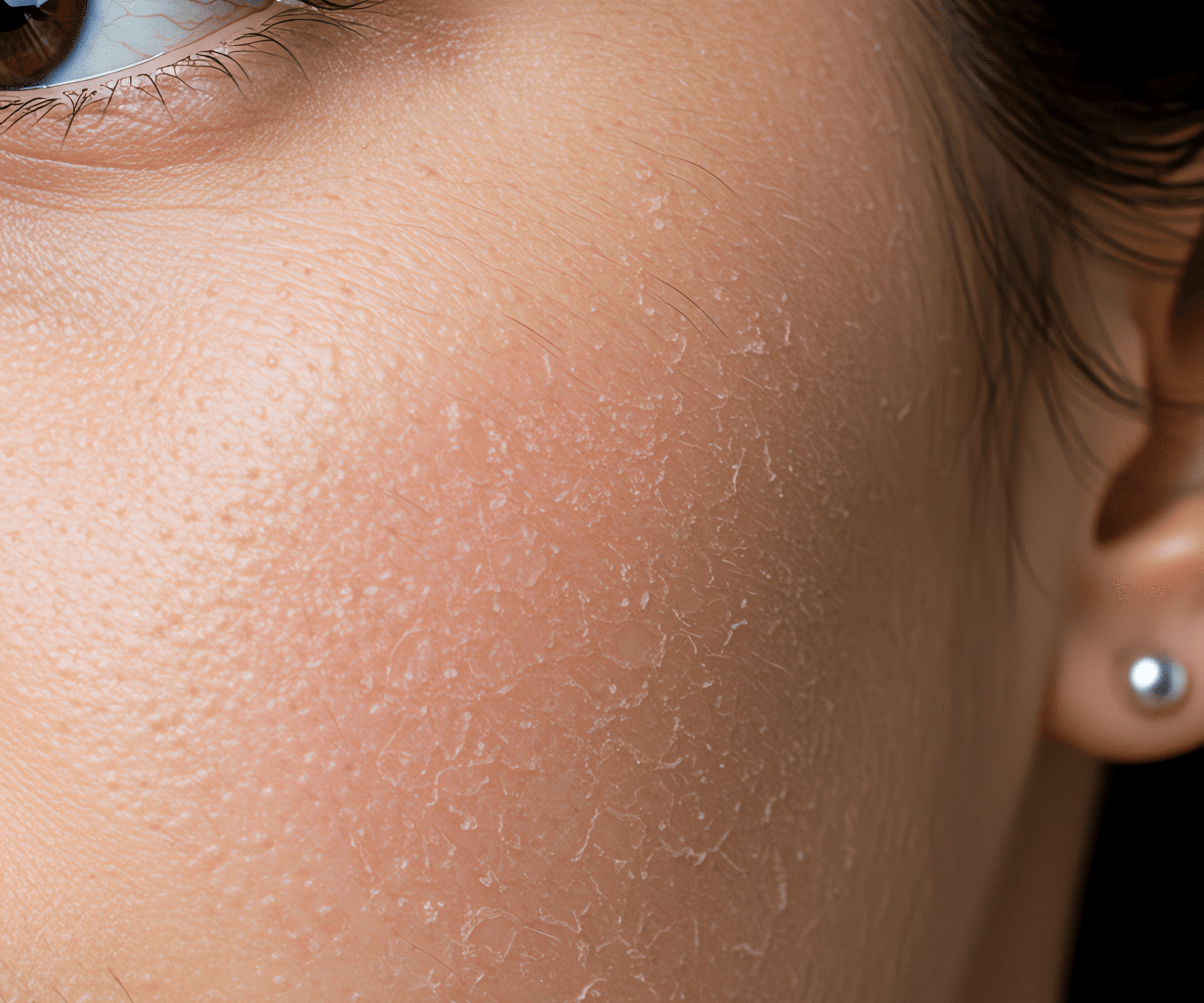
Common signs of dehydrated skin include tightness, dullness, increased sensitivity, and a feeling that moisturizers are not providing lasting relief. Dry skin, on the other hand, is often characterised by roughness, flaking, and a persistent lack of natural oils.
Understanding the difference is important because treating dehydrated skin often involves improving hydration and strengthening the skin barrier, whereas dry skin may require additional lipid support and moisturising care.
Barrier-Type Inner Dryness — Rapid Moisture Loss
You may notice that your skin starts to feel tight shortly after cleansing, even when you haven’t applied anything yet.
Or, despite applying your basic skincare products, dryness returns quickly within a short period of time.
In these cases, the issue is often not simply a lack of moisture, but rather an unstable skin barrier that cannot retain the moisture that has been added.
This type of inner dryness suggests that the skin needs barrier repair and strengthening, not just additional hydration.
The Role of the Stratum Corneum and Increased TEWL
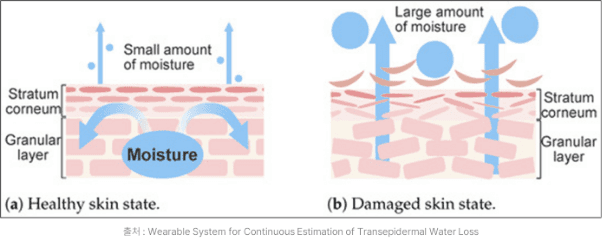
The outermost layer of the skin, the stratum corneum, acts as a protective barrier that prevents excessive moisture evaporation.
When this protective barrier becomes compromised, TEWL (transepidermal water loss) increases, making it difficult for moisture to remain in the skin for long.
As a result, this type of inner dryness often presents with the following pattern:
Moisturizers evaporate quickly, even after repeated application
Heightened sensitivity to external stimuli
Skin that feels persistently reactive or fragile
In these cases, inner dryness is best understood not as a simple lack of hydration, but as skin that cannot keep up with the rate of moisture loss.
Inner Dryness Caused by Weak Dermal Hydration
There is another form of inner dryness that looks slightly different.
On the surface, the skin texture may appear smooth, and immediately after cleansing, it feels relatively fine. However, as time passes, the skin begins to feel empty or tight from within.
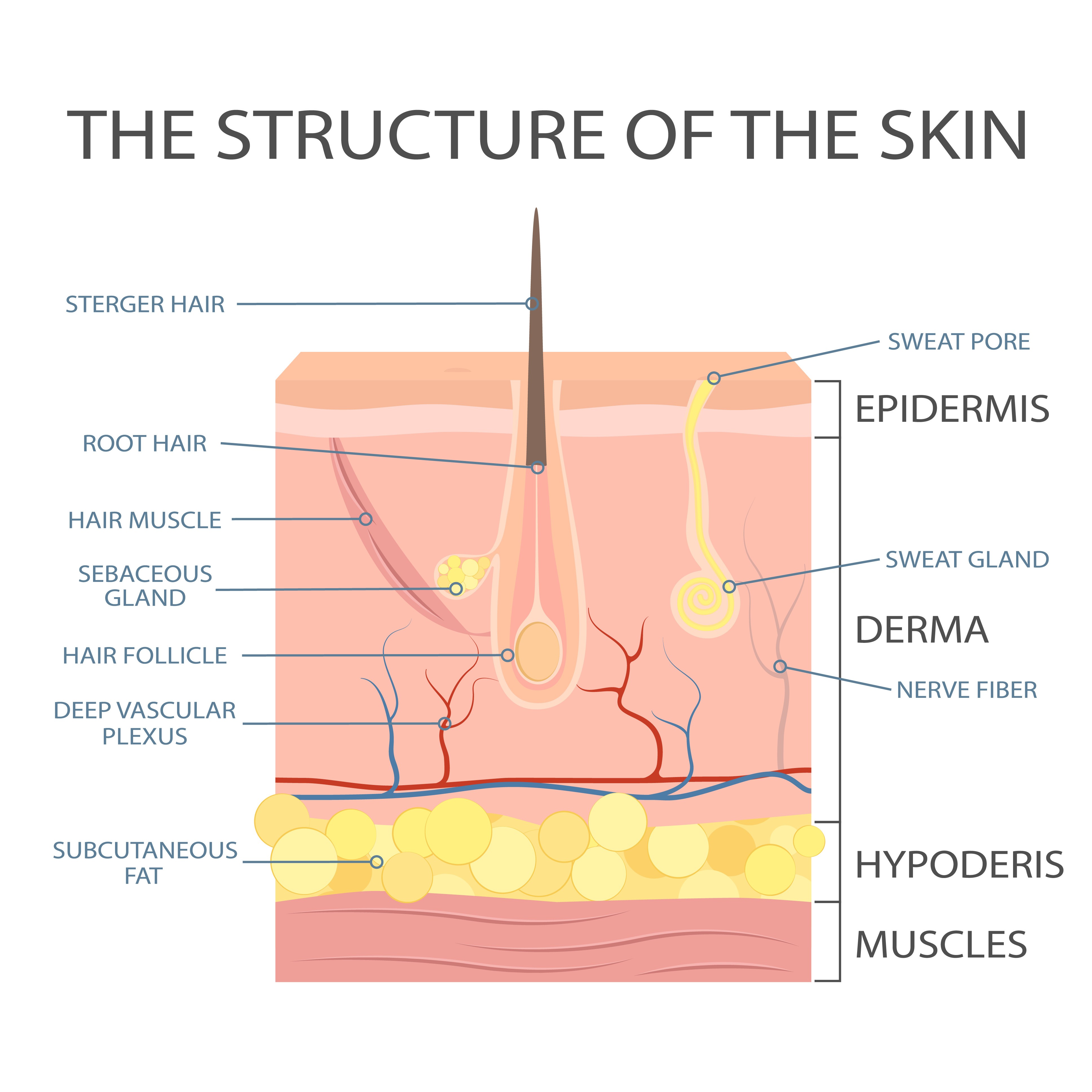
In these cases, it’s important to evaluate the skin’s ability to retain moisture in the dermis (dermal hydration).
When this internal hydration is weakened, topical moisturizers only provide a surface-level effect. While applying them may feel soothing initially, the sensation of tightness often returns shortly after.
Over time, the skin may feel as though moisture is trapped on the surface, leaving the deeper layers inadequately hydrated.
Dehydrated Skin vs Dry Skin: What's the Difference?
Many people assume that dehydrated skin and dry skin are the same condition, but they have different causes. Dehydrated skin lacks water, while dry skin lacks oil. This means even oily or combination skin can become dehydrated.
Common signs of dehydrated skin include tightness, dullness, sensitivity, and discomfort that persists despite regular use of moisturizers. Dry skin is more commonly associated with rough texture, flaking, and a lack of natural oils. Understanding the difference is important because each condition requires a different approach to treatment and skincare.
Which Type of Inner Dryness Do You Have?
Inner dryness does not always fall into a single category. While barrier dysfunction and reduced dermal hydration are common causes, many people experience a combination of factors.
Combination-Type Inner Dryness
Some individuals have skin that appears oily on the surface but feels tight underneath. This often occurs when the skin lacks water while continuing to produce oil, creating an imbalance that can make dehydration difficult to recognise.
Sensitive or Irritation-Prone Inner Dryness
If your skin stings, becomes red, or feels uncomfortable after applying skincare products, irritation may be contributing to your dehydration. In these cases, reducing inflammation and supporting the skin barrier is often more important than applying additional moisturizers.
Structural or Age-Related Inner Dryness
As skin ages, natural hydration levels and structural support can decline. Tightness may become more noticeable around thinner areas of the face, such as the eyes and mouth, and may worsen during facial movements or seasonal changes.
Because the causes of inner dryness can vary, the most effective treatment approach depends on identifying what is driving the condition rather than simply adding more skincare products.
Why Professional Skin Analysis Matters for Persistent Dehydration
When dehydrated skin does not improve despite consistent skincare, the underlying cause is not always visible on the surface. Factors such as barrier dysfunction, increased transepidermal water loss (TEWL), reduced dermal hydration, sensitivity, and age-related skin changes can produce similar symptoms while requiring different treatment approaches.
At REPIC Clinic in Gangnam, Seoul, advanced skin analysis helps evaluate hydration levels, skin barrier health, sensitivity, and overall skin condition. By understanding the root cause of persistent inner dryness, it becomes possible to create a personalised treatment plan that supports long-term skin health rather than relying on trial and error.
FAQ
Does age affect how well the skin holds moisture?
Yes. As skin ages, its natural hydration and structural support can decline, making it more difficult to retain moisture and increasing feelings of tightness.
Can dehydrated skin cause sensitivity and redness?
Yes. Dehydrated or barrier-compromised skin may become more sensitive to external irritants, which can lead to redness, stinging, and discomfort.
How do changes in humidity affect dehydrated skin?
Low humidity can increase moisture loss from the skin, making tightness and dehydration more noticeable, especially when the skin barrier is already weakened.
Can dehydration from stress affect skin barrier function?
Stress may contribute to changes in skin barrier function and inflammation, potentially making existing dryness, sensitivity, or dehydration more difficult to manage.
Why do moisturizers sometimes fail to improve dehydrated skin?
Moisturizers may provide temporary surface relief but may not address underlying issues such as increased moisture loss, reduced dermal hydration, or a weakened skin barrier.
Struggling with dry skin?
Book a consultation at REPIC Clinic now!
Tags:
Skin Type
Dry Skin
Share this blog
Related Posts.
Looking for more expert insights? Explore these articles from our team of skincare specialists.

Skincare Recommendations

Back to Menu
Back to Menu
The Hidden Cause of Dehydrated Skin That Moisturizers Can't Fix
Among patients who visit Repic Clinic for consultations about inner skin dryness, there is one concern we hear repeatedly:
“I’ve tried switching moisturizers and applying generous amounts, but my skin still feels tight from within.”
In many cases, inner dryness cannot be resolved by skincare alone.
Although it may feel like the same type of tightness, the underlying causes of skin dryness can differ significantly from person to person.
That’s why today, we’d like to break down inner dryness into different types,
and help you understand what may be happening beneath the surface of your skin.
Why does my skin still feel tight despite moisturizers?
A weakened skin barrier, increased transepidermal water loss (TEWL), reduced dermal hydration, irritation, and age-related structural changes can all contribute to persistent inner skin dryness. While moisturizers help hydrate the skin's surface, they may not address the underlying cause of dehydration.
Dehydrated Skin vs Dry Skin: What's the Difference?
Many people use the terms dehydrated skin and dry skin interchangeably, but they are not the same condition. Dehydrated skin lacks water, while dry skin lacks oil. As a result, dehydrated skin can affect any skin type, including oily and combination skin.
Common signs of dehydrated skin include tightness, dullness, increased sensitivity, and a feeling that moisturizers are not providing lasting relief. Dry skin, on the other hand, is often characterised by roughness, flaking, and a persistent lack of natural oils.
Understanding the difference is important because treating dehydrated skin often involves improving hydration and strengthening the skin barrier, whereas dry skin may require additional lipid support and moisturising care.
Barrier-Type Inner Dryness — Rapid Moisture Loss
You may notice that your skin starts to feel tight shortly after cleansing, even when you haven’t applied anything yet.
Or, despite applying your basic skincare products, dryness returns quickly within a short period of time.
In these cases, the issue is often not simply a lack of moisture, but rather an unstable skin barrier that cannot retain the moisture that has been added.
This type of inner dryness suggests that the skin needs barrier repair and strengthening, not just additional hydration.
The Role of the Stratum Corneum and Increased TEWL
The outermost layer of the skin, the stratum corneum, acts as a protective barrier that prevents excessive moisture evaporation.
When this protective barrier becomes compromised, TEWL (transepidermal water loss) increases, making it difficult for moisture to remain in the skin for long.
As a result, this type of inner dryness often presents with the following pattern:
Moisturizers evaporate quickly, even after repeated application
Heightened sensitivity to external stimuli
Skin that feels persistently reactive or fragile
In these cases, inner dryness is best understood not as a simple lack of hydration, but as skin that cannot keep up with the rate of moisture loss.
Inner Dryness Caused by Weak Dermal Hydration
There is another form of inner dryness that looks slightly different.
On the surface, the skin texture may appear smooth, and immediately after cleansing, it feels relatively fine. However, as time passes, the skin begins to feel empty or tight from within.
In these cases, it’s important to evaluate the skin’s ability to retain moisture in the dermis (dermal hydration).
When this internal hydration is weakened, topical moisturizers only provide a surface-level effect. While applying them may feel soothing initially, the sensation of tightness often returns shortly after.
Over time, the skin may feel as though moisture is trapped on the surface, leaving the deeper layers inadequately hydrated.
Dehydrated Skin vs Dry Skin: What's the Difference?
Many people assume that dehydrated skin and dry skin are the same condition, but they have different causes. Dehydrated skin lacks water, while dry skin lacks oil. This means even oily or combination skin can become dehydrated.
Common signs of dehydrated skin include tightness, dullness, sensitivity, and discomfort that persists despite regular use of moisturizers. Dry skin is more commonly associated with rough texture, flaking, and a lack of natural oils. Understanding the difference is important because each condition requires a different approach to treatment and skincare.
Which Type of Inner Dryness Do You Have?
Inner dryness does not always fall into a single category. While barrier dysfunction and reduced dermal hydration are common causes, many people experience a combination of factors.
Combination-Type Inner Dryness
Some individuals have skin that appears oily on the surface but feels tight underneath. This often occurs when the skin lacks water while continuing to produce oil, creating an imbalance that can make dehydration difficult to recognise.
Sensitive or Irritation-Prone Inner Dryness
If your skin stings, becomes red, or feels uncomfortable after applying skincare products, irritation may be contributing to your dehydration. In these cases, reducing inflammation and supporting the skin barrier is often more important than applying additional moisturizers.
Structural or Age-Related Inner Dryness
As skin ages, natural hydration levels and structural support can decline. Tightness may become more noticeable around thinner areas of the face, such as the eyes and mouth, and may worsen during facial movements or seasonal changes.
Because the causes of inner dryness can vary, the most effective treatment approach depends on identifying what is driving the condition rather than simply adding more skincare products.
Why Professional Skin Analysis Matters for Persistent Dehydration
When dehydrated skin does not improve despite consistent skincare, the underlying cause is not always visible on the surface. Factors such as barrier dysfunction, increased transepidermal water loss (TEWL), reduced dermal hydration, sensitivity, and age-related skin changes can produce similar symptoms while requiring different treatment approaches.
At REPIC Clinic in Gangnam, Seoul, advanced skin analysis helps evaluate hydration levels, skin barrier health, sensitivity, and overall skin condition. By understanding the root cause of persistent inner dryness, it becomes possible to create a personalised treatment plan that supports long-term skin health rather than relying on trial and error.
FAQ
Does age affect how well the skin holds moisture?
Yes. As skin ages, its natural hydration and structural support can decline, making it more difficult to retain moisture and increasing feelings of tightness.
Can dehydrated skin cause sensitivity and redness?
Yes. Dehydrated or barrier-compromised skin may become more sensitive to external irritants, which can lead to redness, stinging, and discomfort.
How do changes in humidity affect dehydrated skin?
Low humidity can increase moisture loss from the skin, making tightness and dehydration more noticeable, especially when the skin barrier is already weakened.
Can dehydration from stress affect skin barrier function?
Stress may contribute to changes in skin barrier function and inflammation, potentially making existing dryness, sensitivity, or dehydration more difficult to manage.
Why do moisturizers sometimes fail to improve dehydrated skin?
Moisturizers may provide temporary surface relief but may not address underlying issues such as increased moisture loss, reduced dermal hydration, or a weakened skin barrier.
Struggling with dry skin?
Book a consultation at REPIC Clinic now!
Tags:
Skin Type
Dry Skin
Share this blog
Related Posts.
Looking for more expert insights? Explore these articles from our team of skincare specialists.
Skincare Recommendations
Back to Menu
Back to Menu
The Hidden Cause of Dehydrated Skin That Moisturizers Can't Fix
Among patients who visit Repic Clinic for consultations about inner skin dryness, there is one concern we hear repeatedly:
“I’ve tried switching moisturizers and applying generous amounts, but my skin still feels tight from within.”
In many cases, inner dryness cannot be resolved by skincare alone.
Although it may feel like the same type of tightness, the underlying causes of skin dryness can differ significantly from person to person.
That’s why today, we’d like to break down inner dryness into different types,
and help you understand what may be happening beneath the surface of your skin.
Why does my skin still feel tight despite moisturizers?
A weakened skin barrier, increased transepidermal water loss (TEWL), reduced dermal hydration, irritation, and age-related structural changes can all contribute to persistent inner skin dryness. While moisturizers help hydrate the skin's surface, they may not address the underlying cause of dehydration.
Dehydrated Skin vs Dry Skin: What's the Difference?
Many people use the terms dehydrated skin and dry skin interchangeably, but they are not the same condition. Dehydrated skin lacks water, while dry skin lacks oil. As a result, dehydrated skin can affect any skin type, including oily and combination skin.
Common signs of dehydrated skin include tightness, dullness, increased sensitivity, and a feeling that moisturizers are not providing lasting relief. Dry skin, on the other hand, is often characterised by roughness, flaking, and a persistent lack of natural oils.
Understanding the difference is important because treating dehydrated skin often involves improving hydration and strengthening the skin barrier, whereas dry skin may require additional lipid support and moisturising care.
Barrier-Type Inner Dryness — Rapid Moisture Loss
You may notice that your skin starts to feel tight shortly after cleansing, even when you haven’t applied anything yet.
Or, despite applying your basic skincare products, dryness returns quickly within a short period of time.
In these cases, the issue is often not simply a lack of moisture, but rather an unstable skin barrier that cannot retain the moisture that has been added.
This type of inner dryness suggests that the skin needs barrier repair and strengthening, not just additional hydration.
The Role of the Stratum Corneum and Increased TEWL
The outermost layer of the skin, the stratum corneum, acts as a protective barrier that prevents excessive moisture evaporation.
When this protective barrier becomes compromised, TEWL (transepidermal water loss) increases, making it difficult for moisture to remain in the skin for long.
As a result, this type of inner dryness often presents with the following pattern:
Moisturizers evaporate quickly, even after repeated application
Heightened sensitivity to external stimuli
Skin that feels persistently reactive or fragile
In these cases, inner dryness is best understood not as a simple lack of hydration, but as skin that cannot keep up with the rate of moisture loss.
Inner Dryness Caused by Weak Dermal Hydration
There is another form of inner dryness that looks slightly different.
On the surface, the skin texture may appear smooth, and immediately after cleansing, it feels relatively fine. However, as time passes, the skin begins to feel empty or tight from within.
In these cases, it’s important to evaluate the skin’s ability to retain moisture in the dermis (dermal hydration).
When this internal hydration is weakened, topical moisturizers only provide a surface-level effect. While applying them may feel soothing initially, the sensation of tightness often returns shortly after.
Over time, the skin may feel as though moisture is trapped on the surface, leaving the deeper layers inadequately hydrated.
Dehydrated Skin vs Dry Skin: What's the Difference?
Many people assume that dehydrated skin and dry skin are the same condition, but they have different causes. Dehydrated skin lacks water, while dry skin lacks oil. This means even oily or combination skin can become dehydrated.
Common signs of dehydrated skin include tightness, dullness, sensitivity, and discomfort that persists despite regular use of moisturizers. Dry skin is more commonly associated with rough texture, flaking, and a lack of natural oils. Understanding the difference is important because each condition requires a different approach to treatment and skincare.
Which Type of Inner Dryness Do You Have?
Inner dryness does not always fall into a single category. While barrier dysfunction and reduced dermal hydration are common causes, many people experience a combination of factors.
Combination-Type Inner Dryness
Some individuals have skin that appears oily on the surface but feels tight underneath. This often occurs when the skin lacks water while continuing to produce oil, creating an imbalance that can make dehydration difficult to recognise.
Sensitive or Irritation-Prone Inner Dryness
If your skin stings, becomes red, or feels uncomfortable after applying skincare products, irritation may be contributing to your dehydration. In these cases, reducing inflammation and supporting the skin barrier is often more important than applying additional moisturizers.
Structural or Age-Related Inner Dryness
As skin ages, natural hydration levels and structural support can decline. Tightness may become more noticeable around thinner areas of the face, such as the eyes and mouth, and may worsen during facial movements or seasonal changes.
Because the causes of inner dryness can vary, the most effective treatment approach depends on identifying what is driving the condition rather than simply adding more skincare products.
Why Professional Skin Analysis Matters for Persistent Dehydration
When dehydrated skin does not improve despite consistent skincare, the underlying cause is not always visible on the surface. Factors such as barrier dysfunction, increased transepidermal water loss (TEWL), reduced dermal hydration, sensitivity, and age-related skin changes can produce similar symptoms while requiring different treatment approaches.
At REPIC Clinic in Gangnam, Seoul, advanced skin analysis helps evaluate hydration levels, skin barrier health, sensitivity, and overall skin condition. By understanding the root cause of persistent inner dryness, it becomes possible to create a personalised treatment plan that supports long-term skin health rather than relying on trial and error.
FAQ
Does age affect how well the skin holds moisture?
Yes. As skin ages, its natural hydration and structural support can decline, making it more difficult to retain moisture and increasing feelings of tightness.
Can dehydrated skin cause sensitivity and redness?
Yes. Dehydrated or barrier-compromised skin may become more sensitive to external irritants, which can lead to redness, stinging, and discomfort.
How do changes in humidity affect dehydrated skin?
Low humidity can increase moisture loss from the skin, making tightness and dehydration more noticeable, especially when the skin barrier is already weakened.
Can dehydration from stress affect skin barrier function?
Stress may contribute to changes in skin barrier function and inflammation, potentially making existing dryness, sensitivity, or dehydration more difficult to manage.
Why do moisturizers sometimes fail to improve dehydrated skin?
Moisturizers may provide temporary surface relief but may not address underlying issues such as increased moisture loss, reduced dermal hydration, or a weakened skin barrier.
Struggling with dry skin?
Book a consultation at REPIC Clinic now!
Tags:
Skin Type
Dry Skin
Share this blog
Related Posts.
Looking for more expert insights? Explore these articles from our team of skincare specialists.