Back to Menu
What Causes Sculptra Nodules and How to Prevent Them
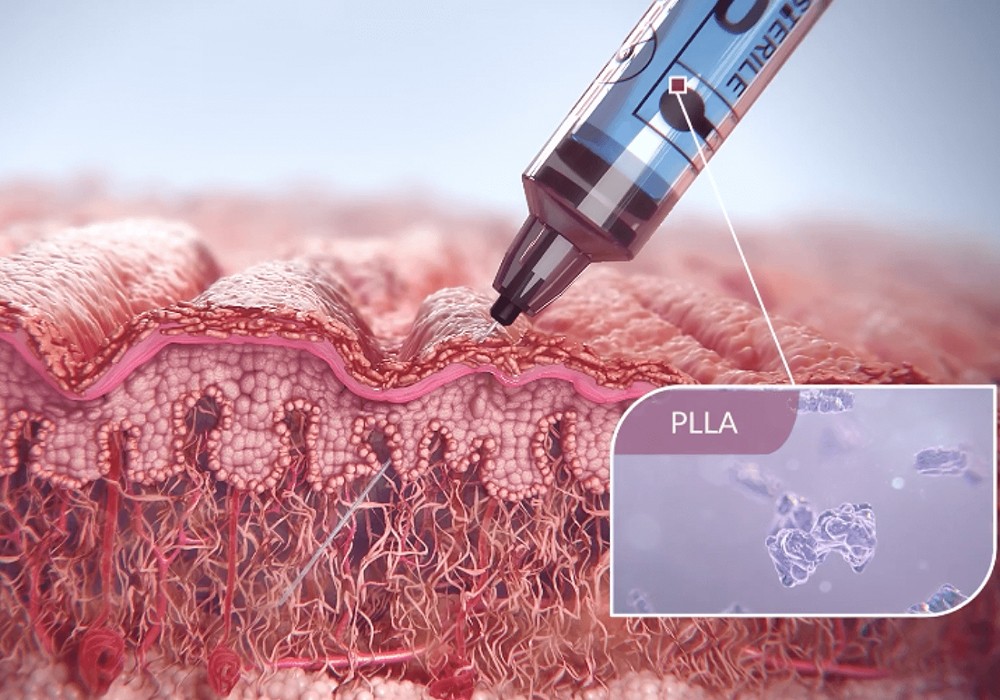
Sculptra is one of the most effective collagen-stimulating injectables available, but like any aesthetic treatment, it comes with a specific set of side effects that patients should understand before and after treatment.
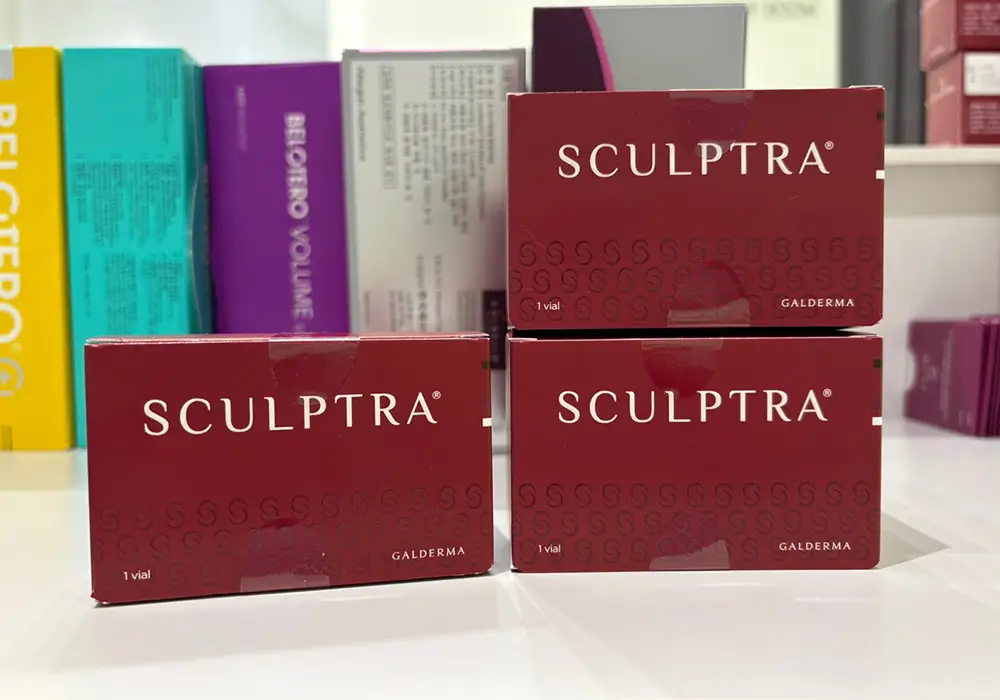
Nodules are among the most discussed. They are small, firm lumps that can develop under the skin after Sculptra injections, and while most cases are temporary and manageable, understanding why they form makes all the difference in preventing and addressing them.
This guide covers the causes, types, prevention, and treatment of Sculptra nodules based on clinical practice from aesthetic specialists in Gangnam-gu, Seoul.
How Sculptra Nodules Form
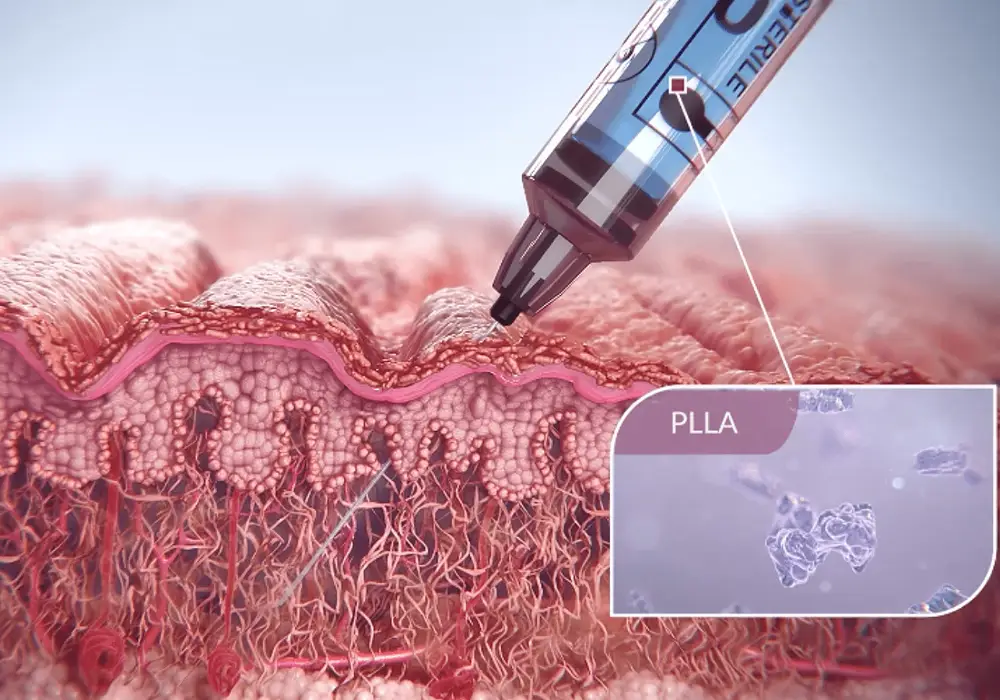
Sculptra works by stimulating collagen production using PLLA (poly-L-lactic acid) particles. Unlike hyaluronic acid fillers, it does not create immediate volume.
Nodules form when:
PLLA particles cluster instead of dispersing evenly
The injection depth is too superficial
Post-treatment massage is not done properly
Product concentration is uneven in a single area
Causes of Nodules
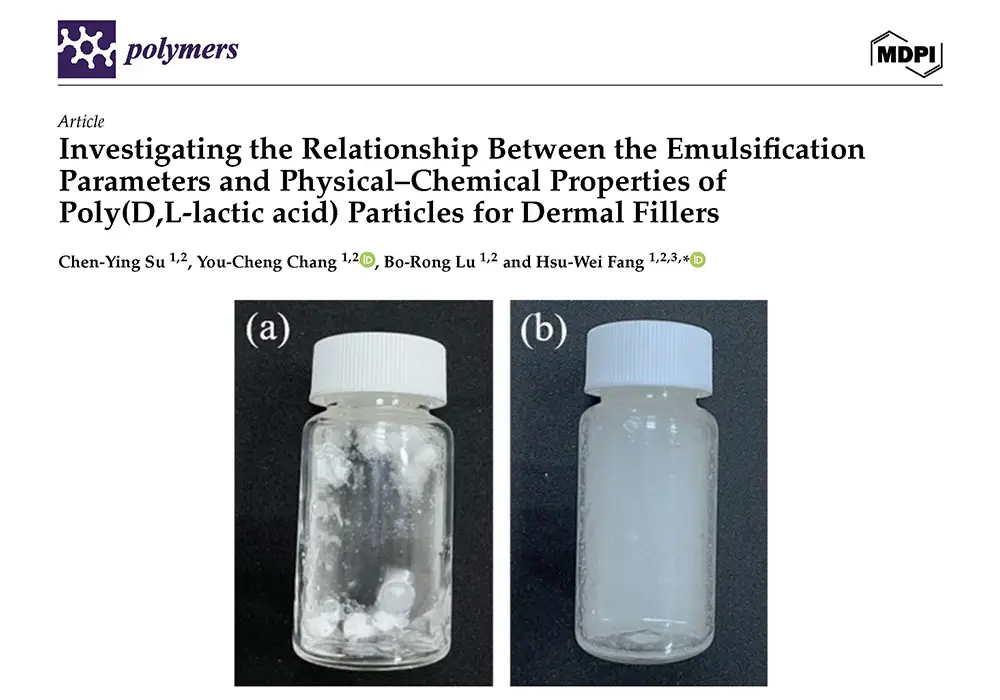
Sculptra nodules are usually related to how the product is prepared, placed, and distributed during treatment rather than the product itself.
Improper hydration of PLLA before injection: If Sculptra is not adequately reconstituted and fully hydrated before use, the particles may not disperse evenly in the tissue.
Incorrect injection depth: Placement too close to the skin surface increases the chance of small, palpable lumps forming.
Uneven product distribution: Localized concentration in one area can lead to clustering of particles under the skin.
Excess volume in a single area: Overloading one facial zone can disrupt the smooth integration of the product.
Inadequate post-treatment massage: Proper massage helps distribute the product evenly; poor compliance may increase the risk of nodules.
In most cases, these factors are technique- and aftercare-dependent and can be minimized with proper clinical protocol.
What to Expect: Week-by-Week After Sculptra
Many patients are uncertain about what is normal after treatment. This timeline helps you understand each phase and when to seek advice.
Day 1–3
Normal swelling & redness
Mild redness, bruising, and swelling at injection sites are entirely expected. This is not nodule formation; it is your body's immediate response to the procedure.
Week 1–2
Massage phase (critical window)
Follow the 5-5-5 massage rule twice daily. The PLLA particles are still mobile, and massage actively prevents clustering. Swelling typically subsides, and the treated area may look flat. This is normal.
Month 1–3
Collagen remodelling begins. Watch for nodules
Gradual volume improvement begins. Small firm areas may become noticeable as collagen builds. Most non-inflammatory nodules (2–5 mm) present during this window. Continue massage and monitor closely.
Month 3–6
Peak results visible
Full collagen stimulation becomes apparent. Most temporary nodules have softened. Results typically last 18–24 months as collagen continues to remodel.
Month 6+
Late-presenting nodules (rare)
Inflammatory nodules can occasionally appear months after treatment. If you notice new redness, pain, or swelling at this stage, consult your clinic promptly. Delayed presentations are uncommon but treatable.
Nodule or Normal Swelling? How to tell the Difference
One of the most common concerns patients have is distinguishing between a developing nodule and the ordinary post-treatment swelling that resolves on its own.
Here is a practical guide.
Feature | Possible Nodule | Normal Swelling |
|---|---|---|
Timing | Appears weeks to months after treatment | Within 24-72 hours of injection |
Texture | Firm, discrete lump under skin | Soft, diffuse puffiness |
Borders | Well-defined edges you can feel | Blends into the surrounding tissue |
Pain | Usually painless (may hurt if inflamed) | Mild tenderness to touch only |
Size | Typically 2-5 min | Broad area, no discrete size |
Resolution | Does not disappear in a few days | Subsidies within 3-7 days |
Response to Massage | May soften slowly over weeks | Unaffected, resolves on its own |
Types of Sculptra Nodules
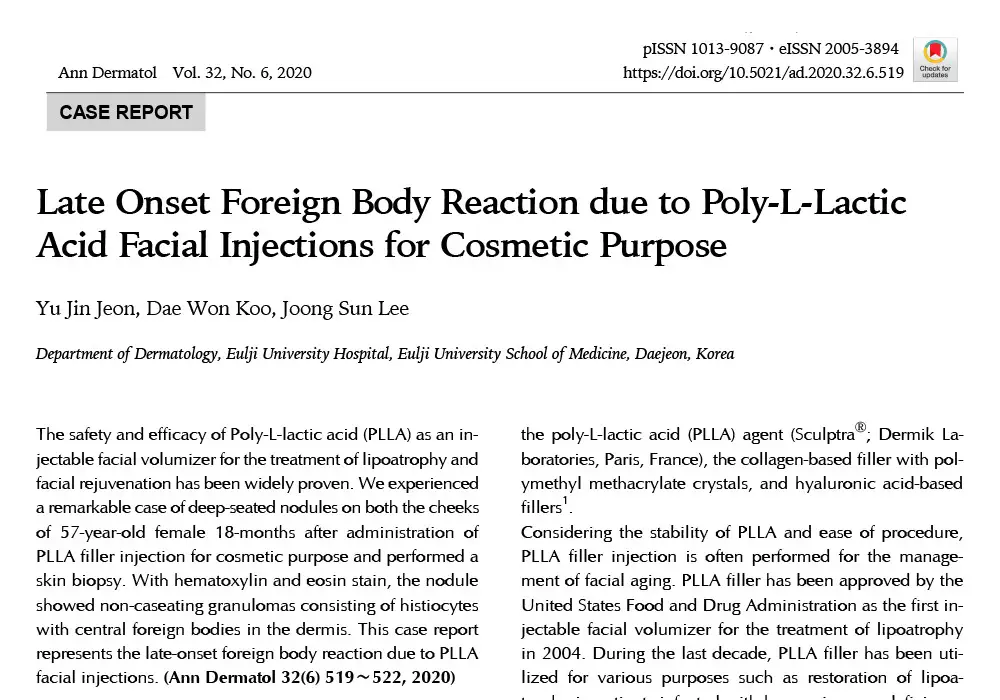
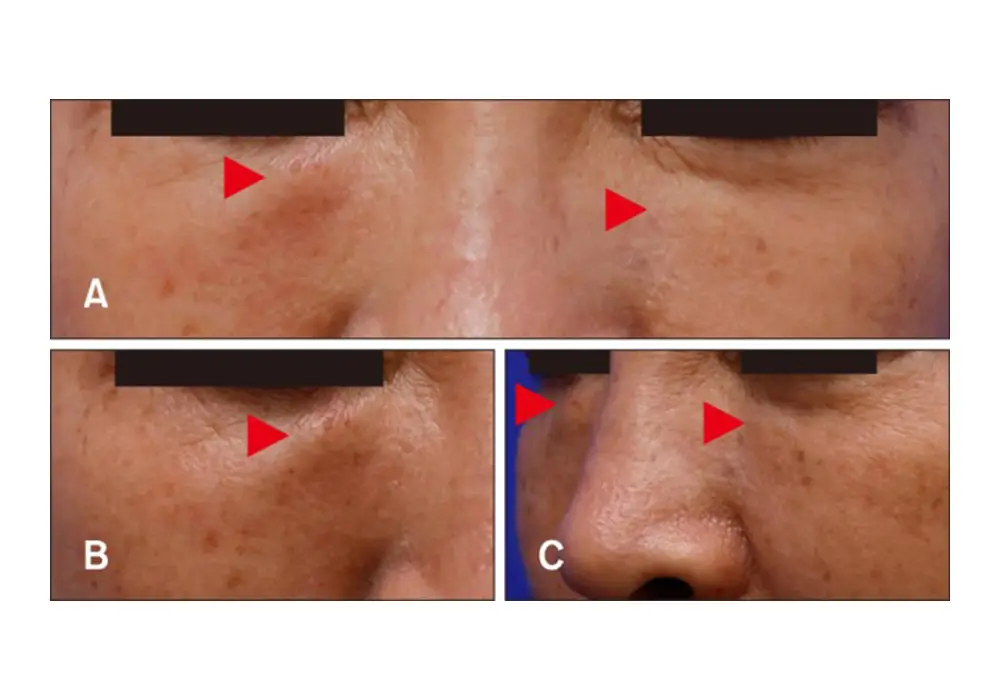
After Sculptra treatment, nodules can present in different forms depending on how the product interacts with the tissue and how the body responds during healing. Understanding these types helps in early identification and appropriate management.
Non-inflammatory nodules
Firm, painless lumps
Usually 2–5 mm in size
May appear 1–6 months after treatment
Often resolve naturally over time
Inflammatory nodules
Rare but more serious
May include redness, swelling, or pain
Can appear months later or be delayed
Requires medical evaluation
Who Is Most at Risk of Developing Nodules?
While any patient can develop nodules if the injection technique is suboptimal, certain factors increase the likelihood. Understanding your personal risk profile helps you and your clinician tailor the treatment plan.
1. Very thin skin
There is less tissue buffer between the product and the skin surface, making superficial lump formation more likely. Patients with naturally thin facial skin should discuss this with their clinician before treatment.
2. Under-eye and periorbital area
This zone has delicate tissue with minimal fat padding. It is considered a higher-risk area for nodule formation even when the technique is good, which is why many clinics treat it conservatively or avoid it altogether.
3. Skipping post-care massage
Non-compliance with the 5-5-5 massage rule is one of the strongest and most preventable risk factors. Patients who do not massage consistently in the first five days are significantly more likely to develop nodules.
4. Prior filler history in the same area
Existing product in the tissue can affect how PLLA distributes after injection. It is important to disclose all prior filler treatments so your clinician can adjust technique and placement accordingly.
5. Highly reactive immune response
Some individuals are more prone to inflammatory reactions when foreign particles are introduced into tissue. This can increase the likelihood of inflammatory nodules, though they remain uncommon overall.
6. High-volume treatment in a single zone
Concentrating a large amount of product in one facial area increases the risk of localised saturation and uneven distribution. Spreading treatment across multiple sessions or zones helps mitigate this.
How to Prevent Sculptra Nodules
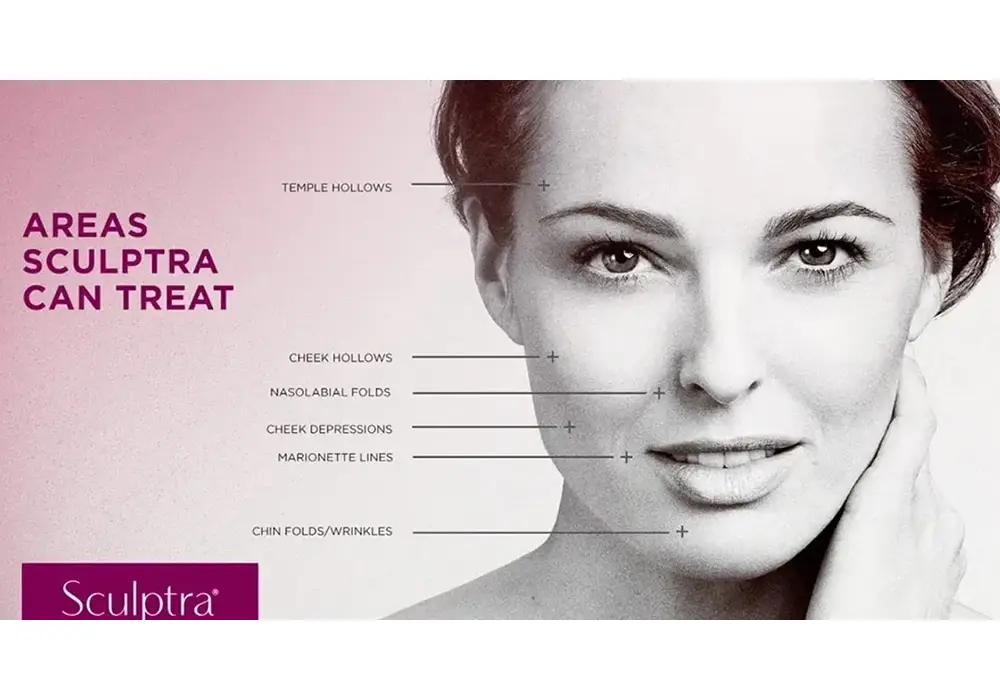
These steps are standard practice at experienced aesthetic clinics in Gangnam-gu, Seoul, where Sculptra is one of the most commonly performed volumising treatments.
Proper hydration of Sculptra for 24–72 hours before use
Following post-treatment massage protocol (5-5-5 rule)
Avoiding high-risk areas like the under-eyes and temples
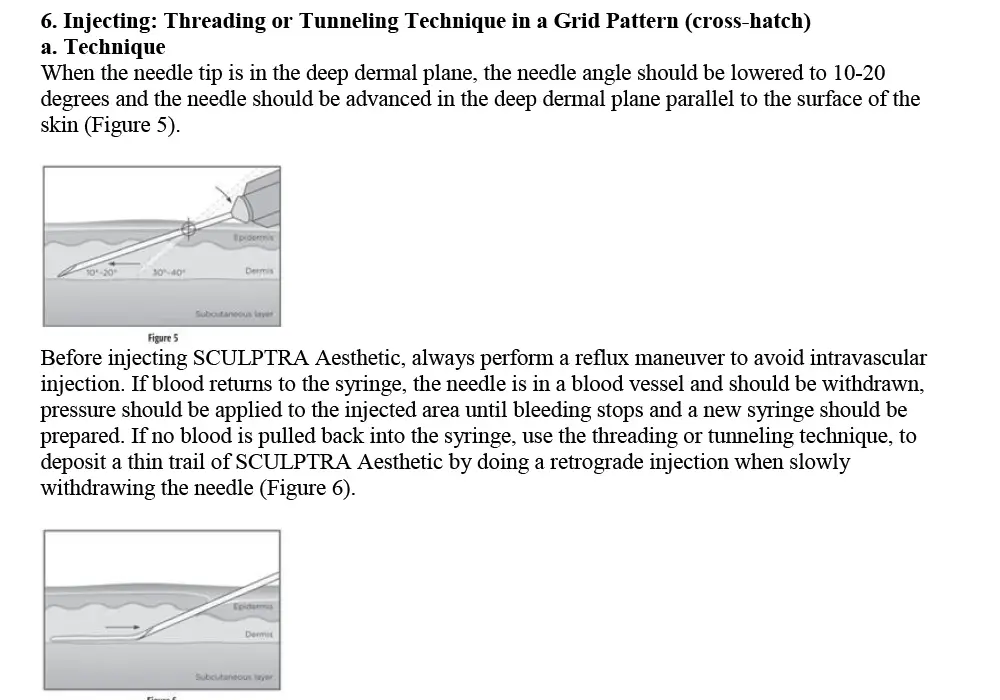
Ensuring correct subcutaneous injection depth
Using controlled dilution and volume per facial zone
These preventive steps are especially important in high-demand aesthetic clinics in Gangnam-gu, Seoul, where Sculptra is commonly used for facial contouring and anti-aging treatments.
Treatment Options for Sculptra Nodules
If nodules develop, treatment depends on severity:
Manual massage (early-stage cases)
Heat therapy or non-invasive stimulation
Steroid injections for persistent nodules
Medical evaluation for rare inflammatory cases
Surgical removal only in extreme cases (rare)
Early detection improves treatment outcomes significantly.
Clinic Insight from REPIC

At REPIC, Sculptra is prepared using controlled hydration protocols with a minimum 48-hour reconstitution window and uniform rotational mixing techniques to ensure even distribution of PLLA particles before injection. Each treatment plan is fully customised based on the patient's anatomy, skin thickness, volume requirements, and treatment area sensitivity.
This protocol significantly reduces the risk of nodule formation and ensures smoother, more consistent collagen regeneration over time.
Summary
Sculptra works by stimulating collagen, not instant filling
Nodules form due to technique or distribution issues
Most nodules are harmless and temporary
Proper injection technique reduces the risk significantly
Early treatment improves outcomes
FAQs
Are Sculptra nodules normal after treatment?
Framer is a no-code tool for building and publishing responsive websites—perfect for anyone creating modern, high-performance pages without coding.
How long do Sculptra nodules last?
Framer is fully visual with no code needed, but you can still add custom code and components for more control if you’re a designer or developer.
What causes nodules after Sculptra injections?
This is a free, responsive FAQ section for Framer. Drop it into any project, customize styles and text, and use it to save time on support or info pages.
Can Sculptra nodules be treated?
After duplicating, copy and paste the component into your Framer project. Then edit the questions, answers, styles, and animations as needed.
Are Sculptra nodules dangerous?
Noticed a Lump After Sculptra?
Early assessment leads to simpler, more effective treatment. REPIC Clinic's specialists evaluate Sculptra concerns and guide patients through the right course of action, whether that is continued massage, clinical intervention, or simply reassurance.
Tags:
Boosters
Antiaging
Share this blog
Related Posts.
Looking for more expert insights? Explore these articles from our team of skincare specialists.
Skincare Recommendations


Back to Menu
Back to Menu
What Causes Sculptra Nodules and How to Prevent Them
Sculptra is one of the most effective collagen-stimulating injectables available, but like any aesthetic treatment, it comes with a specific set of side effects that patients should understand before and after treatment.
Nodules are among the most discussed. They are small, firm lumps that can develop under the skin after Sculptra injections, and while most cases are temporary and manageable, understanding why they form makes all the difference in preventing and addressing them.
This guide covers the causes, types, prevention, and treatment of Sculptra nodules based on clinical practice from aesthetic specialists in Gangnam-gu, Seoul.
How Sculptra Nodules Form
Sculptra works by stimulating collagen production using PLLA (poly-L-lactic acid) particles. Unlike hyaluronic acid fillers, it does not create immediate volume.
Nodules form when:
PLLA particles cluster instead of dispersing evenly
The injection depth is too superficial
Post-treatment massage is not done properly
Product concentration is uneven in a single area
Causes of Nodules
Sculptra nodules are usually related to how the product is prepared, placed, and distributed during treatment rather than the product itself.
Improper hydration of PLLA before injection: If Sculptra is not adequately reconstituted and fully hydrated before use, the particles may not disperse evenly in the tissue.
Incorrect injection depth: Placement too close to the skin surface increases the chance of small, palpable lumps forming.
Uneven product distribution: Localized concentration in one area can lead to clustering of particles under the skin.
Excess volume in a single area: Overloading one facial zone can disrupt the smooth integration of the product.
Inadequate post-treatment massage: Proper massage helps distribute the product evenly; poor compliance may increase the risk of nodules.
In most cases, these factors are technique- and aftercare-dependent and can be minimized with proper clinical protocol.
What to Expect: Week-by-Week After Sculptra
Many patients are uncertain about what is normal after treatment. This timeline helps you understand each phase and when to seek advice.
Day 1–3
Normal swelling & redness
Mild redness, bruising, and swelling at injection sites are entirely expected. This is not nodule formation; it is your body's immediate response to the procedure.
Week 1–2
Massage phase (critical window)
Follow the 5-5-5 massage rule twice daily. The PLLA particles are still mobile, and massage actively prevents clustering. Swelling typically subsides, and the treated area may look flat. This is normal.
Month 1–3
Collagen remodelling begins. Watch for nodules
Gradual volume improvement begins. Small firm areas may become noticeable as collagen builds. Most non-inflammatory nodules (2–5 mm) present during this window. Continue massage and monitor closely.
Month 3–6
Peak results visible
Full collagen stimulation becomes apparent. Most temporary nodules have softened. Results typically last 18–24 months as collagen continues to remodel.
Month 6+
Late-presenting nodules (rare)
Inflammatory nodules can occasionally appear months after treatment. If you notice new redness, pain, or swelling at this stage, consult your clinic promptly. Delayed presentations are uncommon but treatable.
Nodule or Normal Swelling? How to tell the Difference
One of the most common concerns patients have is distinguishing between a developing nodule and the ordinary post-treatment swelling that resolves on its own.
Here is a practical guide.
Feature | Possible Nodule | Normal Swelling |
|---|---|---|
Timing | Appears weeks to months after treatment | Within 24-72 hours of injection |
Texture | Firm, discrete lump under skin | Soft, diffuse puffiness |
Borders | Well-defined edges you can feel | Blends into the surrounding tissue |
Pain | Usually painless (may hurt if inflamed) | Mild tenderness to touch only |
Size | Typically 2-5 min | Broad area, no discrete size |
Resolution | Does not disappear in a few days | Subsidies within 3-7 days |
Response to Massage | May soften slowly over weeks | Unaffected, resolves on its own |
Types of Sculptra Nodules
After Sculptra treatment, nodules can present in different forms depending on how the product interacts with the tissue and how the body responds during healing. Understanding these types helps in early identification and appropriate management.
Non-inflammatory nodules
Firm, painless lumps
Usually 2–5 mm in size
May appear 1–6 months after treatment
Often resolve naturally over time
Inflammatory nodules
Rare but more serious
May include redness, swelling, or pain
Can appear months later or be delayed
Requires medical evaluation
Who Is Most at Risk of Developing Nodules?
While any patient can develop nodules if the injection technique is suboptimal, certain factors increase the likelihood. Understanding your personal risk profile helps you and your clinician tailor the treatment plan.
1. Very thin skin
There is less tissue buffer between the product and the skin surface, making superficial lump formation more likely. Patients with naturally thin facial skin should discuss this with their clinician before treatment.
2. Under-eye and periorbital area
This zone has delicate tissue with minimal fat padding. It is considered a higher-risk area for nodule formation even when the technique is good, which is why many clinics treat it conservatively or avoid it altogether.
3. Skipping post-care massage
Non-compliance with the 5-5-5 massage rule is one of the strongest and most preventable risk factors. Patients who do not massage consistently in the first five days are significantly more likely to develop nodules.
4. Prior filler history in the same area
Existing product in the tissue can affect how PLLA distributes after injection. It is important to disclose all prior filler treatments so your clinician can adjust technique and placement accordingly.
5. Highly reactive immune response
Some individuals are more prone to inflammatory reactions when foreign particles are introduced into tissue. This can increase the likelihood of inflammatory nodules, though they remain uncommon overall.
6. High-volume treatment in a single zone
Concentrating a large amount of product in one facial area increases the risk of localised saturation and uneven distribution. Spreading treatment across multiple sessions or zones helps mitigate this.
How to Prevent Sculptra Nodules
These steps are standard practice at experienced aesthetic clinics in Gangnam-gu, Seoul, where Sculptra is one of the most commonly performed volumising treatments.
Proper hydration of Sculptra for 24–72 hours before use
Following post-treatment massage protocol (5-5-5 rule)
Avoiding high-risk areas like the under-eyes and temples
Ensuring correct subcutaneous injection depth
Using controlled dilution and volume per facial zone
These preventive steps are especially important in high-demand aesthetic clinics in Gangnam-gu, Seoul, where Sculptra is commonly used for facial contouring and anti-aging treatments.
Treatment Options for Sculptra Nodules
If nodules develop, treatment depends on severity:
Manual massage (early-stage cases)
Heat therapy or non-invasive stimulation
Steroid injections for persistent nodules
Medical evaluation for rare inflammatory cases
Surgical removal only in extreme cases (rare)
Early detection improves treatment outcomes significantly.
Clinic Insight from REPIC
At REPIC, Sculptra is prepared using controlled hydration protocols with a minimum 48-hour reconstitution window and uniform rotational mixing techniques to ensure even distribution of PLLA particles before injection. Each treatment plan is fully customised based on the patient's anatomy, skin thickness, volume requirements, and treatment area sensitivity.
This protocol significantly reduces the risk of nodule formation and ensures smoother, more consistent collagen regeneration over time.
Summary
Sculptra works by stimulating collagen, not instant filling
Nodules form due to technique or distribution issues
Most nodules are harmless and temporary
Proper injection technique reduces the risk significantly
Early treatment improves outcomes
FAQs
Are Sculptra nodules normal after treatment?
Framer is a no-code tool for building and publishing responsive websites—perfect for anyone creating modern, high-performance pages without coding.
How long do Sculptra nodules last?
Framer is fully visual with no code needed, but you can still add custom code and components for more control if you’re a designer or developer.
What causes nodules after Sculptra injections?
This is a free, responsive FAQ section for Framer. Drop it into any project, customize styles and text, and use it to save time on support or info pages.
Can Sculptra nodules be treated?
After duplicating, copy and paste the component into your Framer project. Then edit the questions, answers, styles, and animations as needed.
Are Sculptra nodules dangerous?
Noticed a Lump After Sculptra?
Early assessment leads to simpler, more effective treatment. REPIC Clinic's specialists evaluate Sculptra concerns and guide patients through the right course of action, whether that is continued massage, clinical intervention, or simply reassurance.
Tags:
Boosters
Antiaging
Share this blog
Related Posts.
Looking for more expert insights? Explore these articles from our team of skincare specialists.
Skincare Recommendations
Back to Menu
Back to Menu
What Causes Sculptra Nodules and How to Prevent Them
Sculptra is one of the most effective collagen-stimulating injectables available, but like any aesthetic treatment, it comes with a specific set of side effects that patients should understand before and after treatment.
Nodules are among the most discussed. They are small, firm lumps that can develop under the skin after Sculptra injections, and while most cases are temporary and manageable, understanding why they form makes all the difference in preventing and addressing them.
This guide covers the causes, types, prevention, and treatment of Sculptra nodules based on clinical practice from aesthetic specialists in Gangnam-gu, Seoul.
How Sculptra Nodules Form
Sculptra works by stimulating collagen production using PLLA (poly-L-lactic acid) particles. Unlike hyaluronic acid fillers, it does not create immediate volume.
Nodules form when:
PLLA particles cluster instead of dispersing evenly
The injection depth is too superficial
Post-treatment massage is not done properly
Product concentration is uneven in a single area
Causes of Nodules
Sculptra nodules are usually related to how the product is prepared, placed, and distributed during treatment rather than the product itself.
Improper hydration of PLLA before injection: If Sculptra is not adequately reconstituted and fully hydrated before use, the particles may not disperse evenly in the tissue.
Incorrect injection depth: Placement too close to the skin surface increases the chance of small, palpable lumps forming.
Uneven product distribution: Localized concentration in one area can lead to clustering of particles under the skin.
Excess volume in a single area: Overloading one facial zone can disrupt the smooth integration of the product.
Inadequate post-treatment massage: Proper massage helps distribute the product evenly; poor compliance may increase the risk of nodules.
In most cases, these factors are technique- and aftercare-dependent and can be minimized with proper clinical protocol.
What to Expect: Week-by-Week After Sculptra
Many patients are uncertain about what is normal after treatment. This timeline helps you understand each phase and when to seek advice.
Day 1–3
Normal swelling & redness
Mild redness, bruising, and swelling at injection sites are entirely expected. This is not nodule formation; it is your body's immediate response to the procedure.
Week 1–2
Massage phase (critical window)
Follow the 5-5-5 massage rule twice daily. The PLLA particles are still mobile, and massage actively prevents clustering. Swelling typically subsides, and the treated area may look flat. This is normal.
Month 1–3
Collagen remodelling begins. Watch for nodules
Gradual volume improvement begins. Small firm areas may become noticeable as collagen builds. Most non-inflammatory nodules (2–5 mm) present during this window. Continue massage and monitor closely.
Month 3–6
Peak results visible
Full collagen stimulation becomes apparent. Most temporary nodules have softened. Results typically last 18–24 months as collagen continues to remodel.
Month 6+
Late-presenting nodules (rare)
Inflammatory nodules can occasionally appear months after treatment. If you notice new redness, pain, or swelling at this stage, consult your clinic promptly. Delayed presentations are uncommon but treatable.
Nodule or Normal Swelling? How to tell the Difference
One of the most common concerns patients have is distinguishing between a developing nodule and the ordinary post-treatment swelling that resolves on its own.
Here is a practical guide.
Feature | Possible Nodule | Normal Swelling |
|---|---|---|
Timing | Appears weeks to months after treatment | Within 24-72 hours of injection |
Texture | Firm, discrete lump under skin | Soft, diffuse puffiness |
Borders | Well-defined edges you can feel | Blends into the surrounding tissue |
Pain | Usually painless (may hurt if inflamed) | Mild tenderness to touch only |
Size | Typically 2-5 min | Broad area, no discrete size |
Resolution | Does not disappear in a few days | Subsidies within 3-7 days |
Response to Massage | May soften slowly over weeks | Unaffected, resolves on its own |
Types of Sculptra Nodules
After Sculptra treatment, nodules can present in different forms depending on how the product interacts with the tissue and how the body responds during healing. Understanding these types helps in early identification and appropriate management.
Non-inflammatory nodules
Firm, painless lumps
Usually 2–5 mm in size
May appear 1–6 months after treatment
Often resolve naturally over time
Inflammatory nodules
Rare but more serious
May include redness, swelling, or pain
Can appear months later or be delayed
Requires medical evaluation
Who Is Most at Risk of Developing Nodules?
While any patient can develop nodules if the injection technique is suboptimal, certain factors increase the likelihood. Understanding your personal risk profile helps you and your clinician tailor the treatment plan.
1. Very thin skin
There is less tissue buffer between the product and the skin surface, making superficial lump formation more likely. Patients with naturally thin facial skin should discuss this with their clinician before treatment.
2. Under-eye and periorbital area
This zone has delicate tissue with minimal fat padding. It is considered a higher-risk area for nodule formation even when the technique is good, which is why many clinics treat it conservatively or avoid it altogether.
3. Skipping post-care massage
Non-compliance with the 5-5-5 massage rule is one of the strongest and most preventable risk factors. Patients who do not massage consistently in the first five days are significantly more likely to develop nodules.
4. Prior filler history in the same area
Existing product in the tissue can affect how PLLA distributes after injection. It is important to disclose all prior filler treatments so your clinician can adjust technique and placement accordingly.
5. Highly reactive immune response
Some individuals are more prone to inflammatory reactions when foreign particles are introduced into tissue. This can increase the likelihood of inflammatory nodules, though they remain uncommon overall.
6. High-volume treatment in a single zone
Concentrating a large amount of product in one facial area increases the risk of localised saturation and uneven distribution. Spreading treatment across multiple sessions or zones helps mitigate this.
How to Prevent Sculptra Nodules
These steps are standard practice at experienced aesthetic clinics in Gangnam-gu, Seoul, where Sculptra is one of the most commonly performed volumising treatments.
Proper hydration of Sculptra for 24–72 hours before use
Following post-treatment massage protocol (5-5-5 rule)
Avoiding high-risk areas like the under-eyes and temples
Ensuring correct subcutaneous injection depth
Using controlled dilution and volume per facial zone
These preventive steps are especially important in high-demand aesthetic clinics in Gangnam-gu, Seoul, where Sculptra is commonly used for facial contouring and anti-aging treatments.
Treatment Options for Sculptra Nodules
If nodules develop, treatment depends on severity:
Manual massage (early-stage cases)
Heat therapy or non-invasive stimulation
Steroid injections for persistent nodules
Medical evaluation for rare inflammatory cases
Surgical removal only in extreme cases (rare)
Early detection improves treatment outcomes significantly.
Clinic Insight from REPIC
At REPIC, Sculptra is prepared using controlled hydration protocols with a minimum 48-hour reconstitution window and uniform rotational mixing techniques to ensure even distribution of PLLA particles before injection. Each treatment plan is fully customised based on the patient's anatomy, skin thickness, volume requirements, and treatment area sensitivity.
This protocol significantly reduces the risk of nodule formation and ensures smoother, more consistent collagen regeneration over time.
Summary
Sculptra works by stimulating collagen, not instant filling
Nodules form due to technique or distribution issues
Most nodules are harmless and temporary
Proper injection technique reduces the risk significantly
Early treatment improves outcomes
FAQs
Are Sculptra nodules normal after treatment?
Framer is a no-code tool for building and publishing responsive websites—perfect for anyone creating modern, high-performance pages without coding.
How long do Sculptra nodules last?
Framer is fully visual with no code needed, but you can still add custom code and components for more control if you’re a designer or developer.
What causes nodules after Sculptra injections?
This is a free, responsive FAQ section for Framer. Drop it into any project, customize styles and text, and use it to save time on support or info pages.
Can Sculptra nodules be treated?
After duplicating, copy and paste the component into your Framer project. Then edit the questions, answers, styles, and animations as needed.
Are Sculptra nodules dangerous?
Noticed a Lump After Sculptra?
Early assessment leads to simpler, more effective treatment. REPIC Clinic's specialists evaluate Sculptra concerns and guide patients through the right course of action, whether that is continued massage, clinical intervention, or simply reassurance.
Tags:
Boosters
Antiaging
Share this blog
Related Posts.
Looking for more expert insights? Explore these articles from our team of skincare specialists.