Back to Menu
Does Rejuran Healer Hurt?
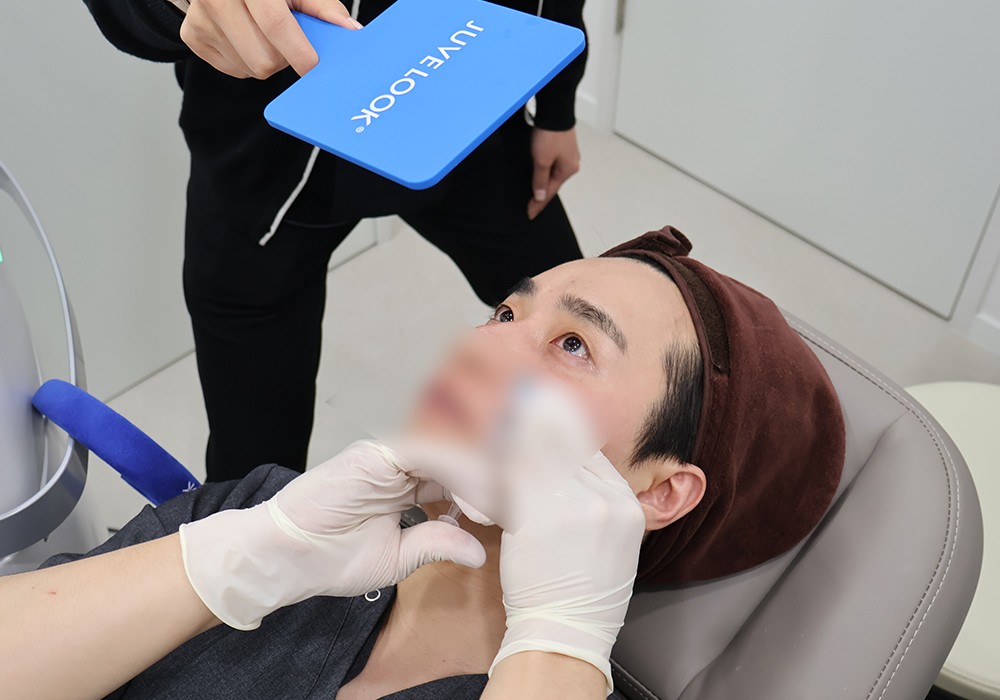
Does Rejuran Healer Hurt? Ways to Reduce Pain + Reviews
If you’re struggling with dry, rough skin, dehydration, or uneven texture, you’ve probably heard of Rejuran.
However, many people hesitate because of the pain associated with the treatment.
Today, I’ll explain some effective ways to reduce Rejuran Healer pain.
What is Rejuran?
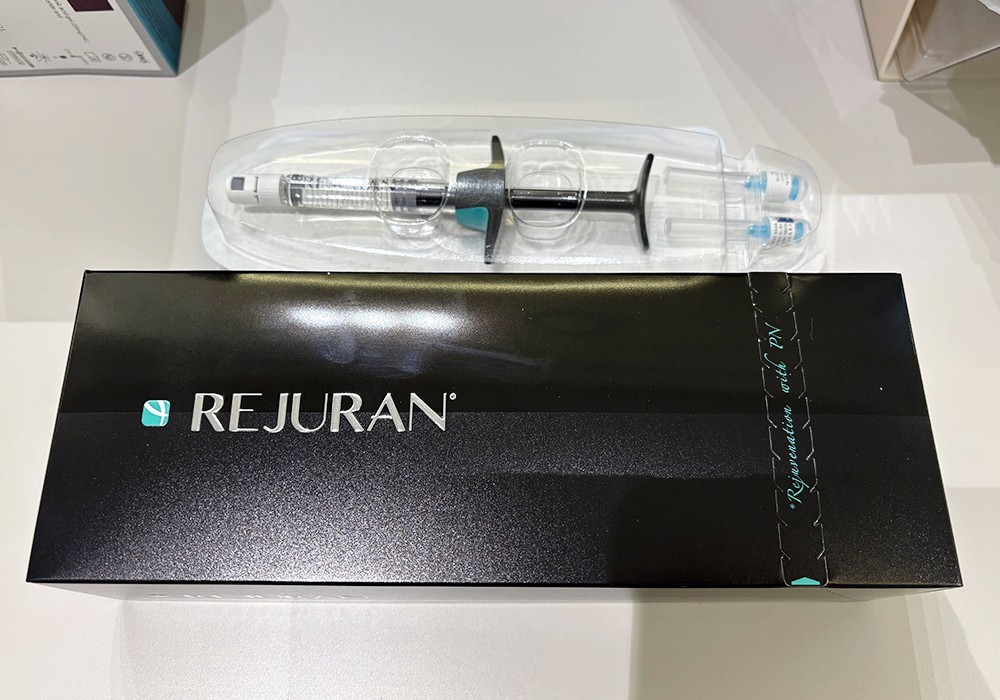
Rejuran Healer contains PN (polynucleotide) extracted from salmon DNA as its main ingredient.
It works as a skin rejuvenator, helping improve the dermal environment for:
Increased elasticity
Hydration
Smaller pores
Smoother texture
Reduced fine lines
This makes it a highly popular skin booster.
Why does Rejuran hurt?
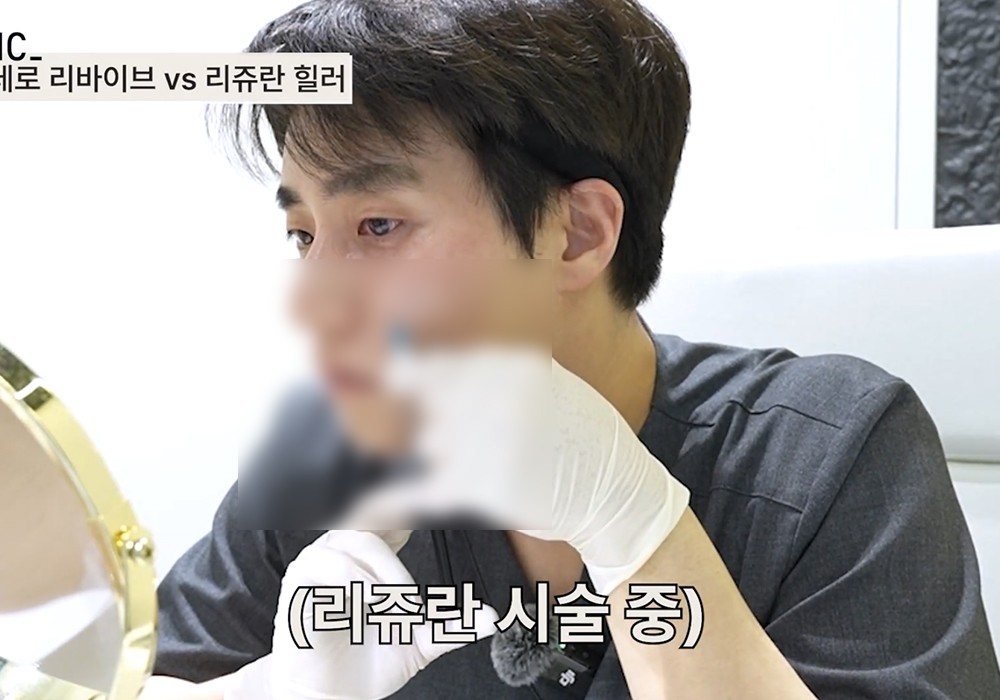
Rejuran can be quite painful. It’s similar to receiving multiple inflammatory injections across the face.
If you’ve seen my YouTube videos, you know that even during self-treatment, tears can come to the eyes.
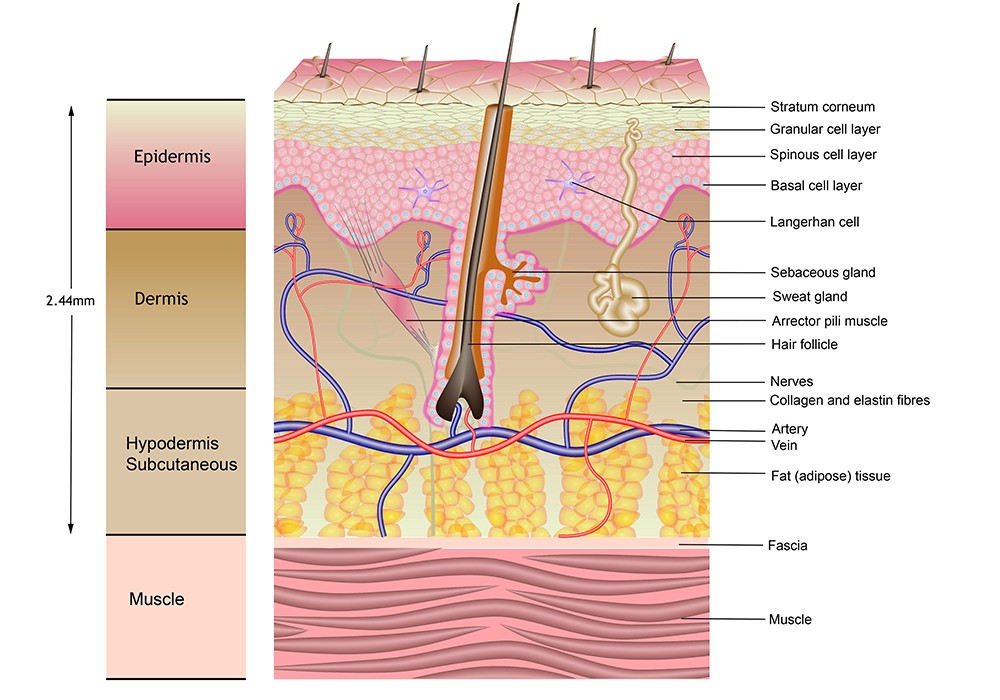
Pain occurs because:
The dermis is rich in nerves and thinner than subcutaneous fat.
A full-face treatment requires 70–80 injections, each creating pressure.
The gel-like solution is viscous, and as it expands tissue, it naturally triggers pain.
Can we reduce the pain?
The answer is YES! Here are the main strategies:
1️⃣ Apply a thick layer of numbing cream and wait 30+ minutes
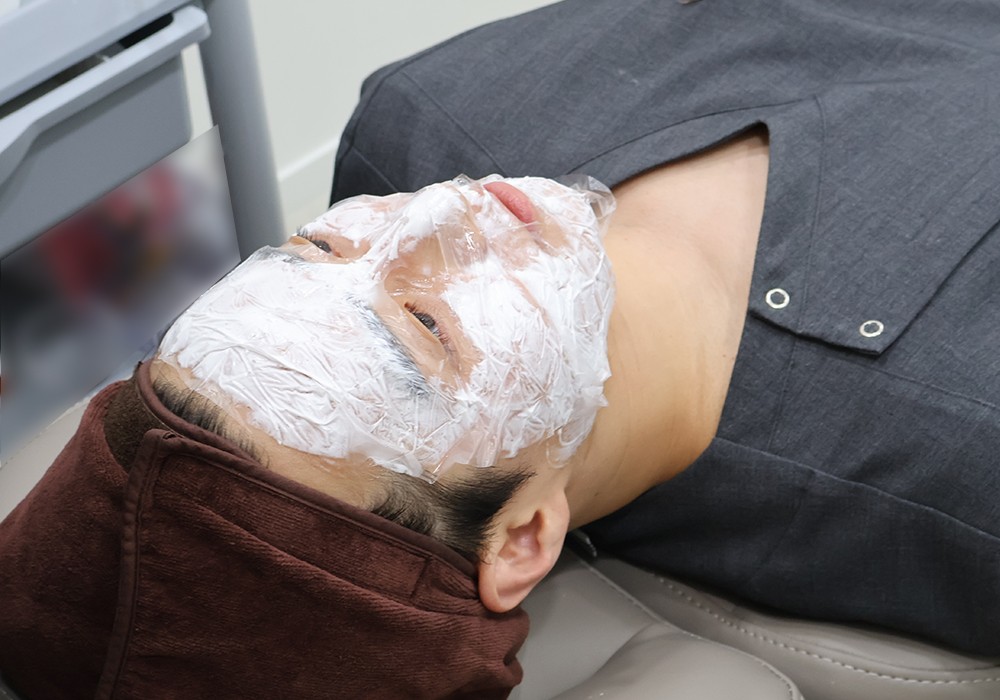
Waiting allows the skin to become numb, reducing needle pain.
2️⃣ Use an injector device (like CureJet)
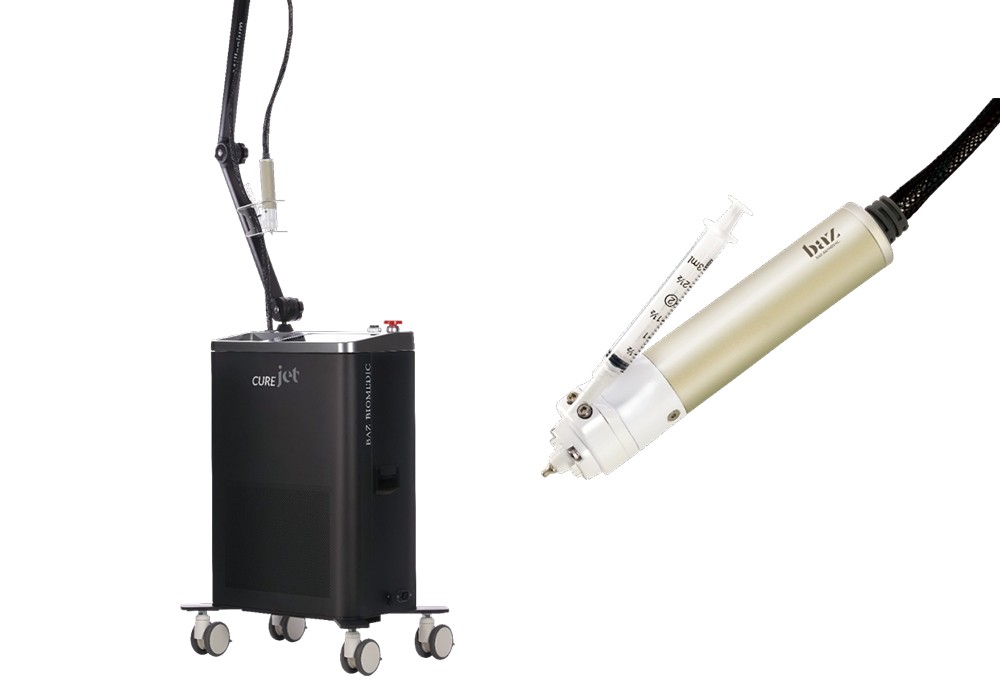
Delivers the solution precisely without a needle, minimizing discomfort.
3️⃣ Add local anesthetic + adjust pH
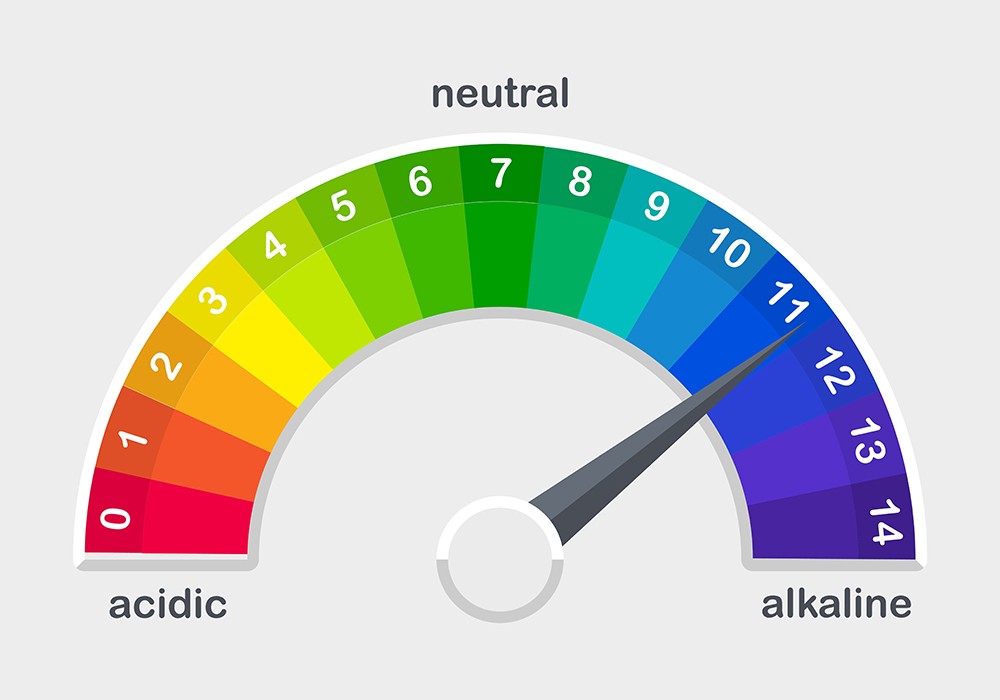
Highly acidic/alkaline or concentrated solutions can cause more pain.
Mixing a buffer (e.g., sodium bicarbonate) with lidocaine can neutralize pH, reducing discomfort.
By applying these methods, we’ve found ways to make the pain manageable, often described as a slight prick, like a toothpick tap. See our REPIC Rejuran Treatment
Real-life results
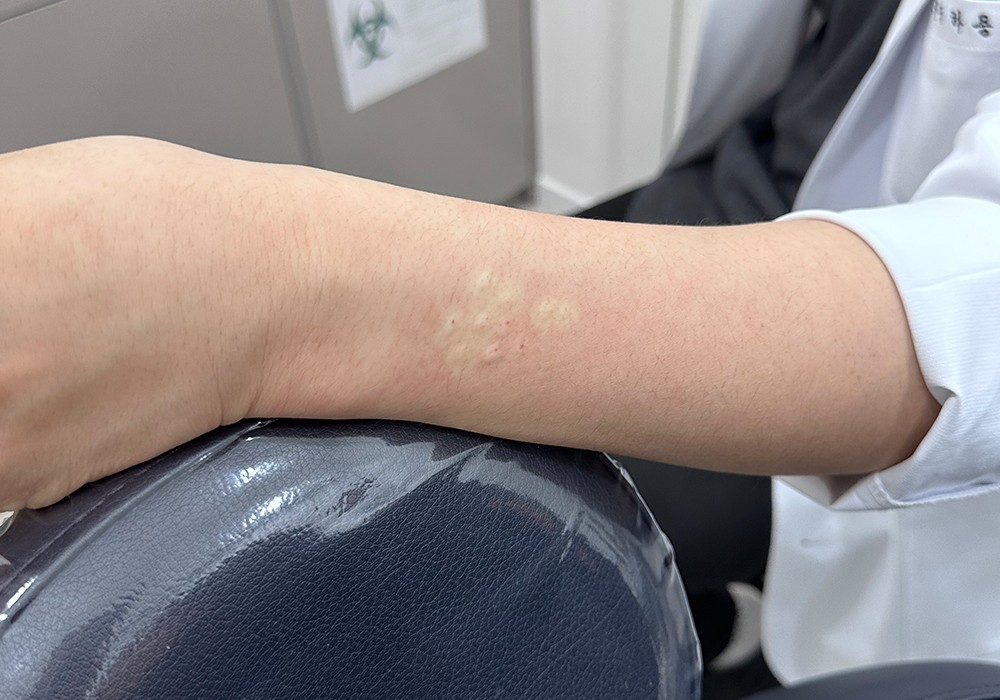
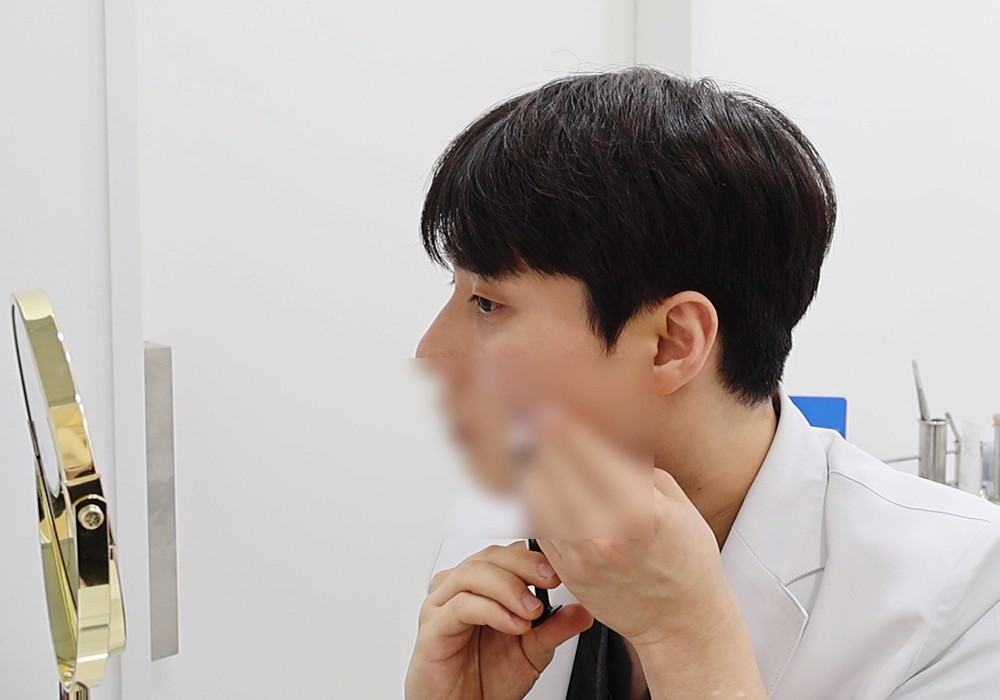
Even a staff member who skipped numbing cream reported only a mild tingling sensation.
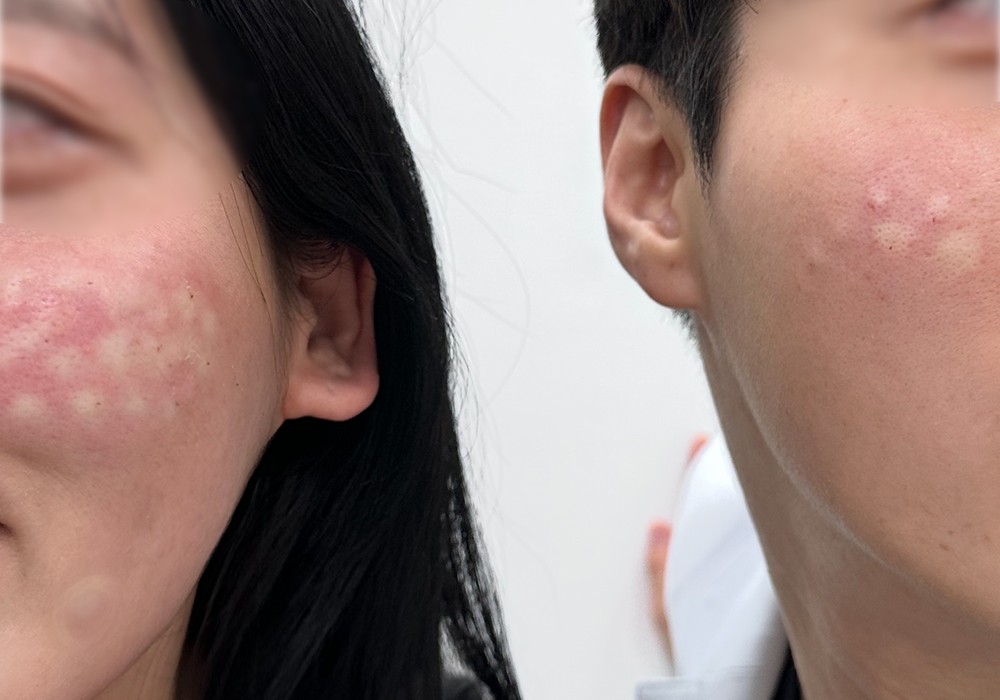
Patient reviews confirm pain varies individually, but these methods generally make Rejuran tolerable.
Conclusion:
By optimizing drug dosage, local anesthesia, and pH, Rejuran Healer can be administered with much less pain, allowing patients to leave with a smile after treatment.
For any questions about reducing Rejuran pain, feel free to contact us anytime.
FAQ: Rejuran Healer – Pain, Results, and Tips
How long does Rejuran take to heal?
Initial redness, injection marks, and tiny bumps usually fade within 24–48 hours, while sensitive skin may take 3–7 days for full recovery.
How long does pain last after Rejuran Healer treatment?
Mild discomfort or tingling typically lasts a few hours, with most patients feeling fully comfortable within 1–2 days.
How can I reduce pain during treatment?
Several strategies help minimize discomfort: Apply a thick numbing cream and wait at least 30 minutes. Use injector devices like CureJet to reduce needle trauma. Adjust the solution with a buffer or local anesthetic to neutralize pH.
Can Rejuran be combined with other treatments?
Yes, it can complement skin boosters, fillers, or laser treatments to enhance overall skin texture and radiance. Timing and compatibility should be discussed with your clinician.
Rejuran vs PDRN: What’s the Difference?
Rejuran is a cosmetic-focused skin booster containing PN (a type of PDRN) optimized for hydration, elasticity, and glow. PDRN is the broader category of DNA fragments used for tissue regeneration, which may improve skin quality but isn’t specifically formulated for aesthetic results.
Looking for painless Rejuran options?
Book a consultation at REPIC Clinic now!
Tags:
Boosters
Share this blog
Related Posts.
Looking for more expert insights? Explore these articles from our team of skincare specialists.
Skincare Recommendations
Back to Menu
Rewrite Your Beauty Story with REPIC Clinic
The more you understand your skin, the better decisions you can make about your daily habits and long-term skincare plan. Knowledge is the first step toward healthy, confident skin.
Ready to discover what your skin truly needs?
Back to Menu
Does Rejuran Healer Hurt?
Does Rejuran Healer Hurt? Ways to Reduce Pain + Reviews
If you’re struggling with dry, rough skin, dehydration, or uneven texture, you’ve probably heard of Rejuran.
However, many people hesitate because of the pain associated with the treatment.
Today, I’ll explain some effective ways to reduce Rejuran Healer pain.
What is Rejuran?
Rejuran Healer contains PN (polynucleotide) extracted from salmon DNA as its main ingredient.
It works as a skin rejuvenator, helping improve the dermal environment for:
Increased elasticity
Hydration
Smaller pores
Smoother texture
Reduced fine lines
This makes it a highly popular skin booster.
Why does Rejuran hurt?
Rejuran can be quite painful. It’s similar to receiving multiple inflammatory injections across the face.
If you’ve seen my YouTube videos, you know that even during self-treatment, tears can come to the eyes.
Pain occurs because:
The dermis is rich in nerves and thinner than subcutaneous fat.
A full-face treatment requires 70–80 injections, each creating pressure.
The gel-like solution is viscous, and as it expands tissue, it naturally triggers pain.
Can we reduce the pain?
The answer is YES! Here are the main strategies:
1️⃣ Apply a thick layer of numbing cream and wait 30+ minutes
Waiting allows the skin to become numb, reducing needle pain.
2️⃣ Use an injector device (like CureJet)
Delivers the solution precisely without a needle, minimizing discomfort.
3️⃣ Add local anesthetic + adjust pH
Highly acidic/alkaline or concentrated solutions can cause more pain.
Mixing a buffer (e.g., sodium bicarbonate) with lidocaine can neutralize pH, reducing discomfort.
By applying these methods, we’ve found ways to make the pain manageable, often described as a slight prick, like a toothpick tap. See our REPIC Rejuran Treatment
Real-life results
Even a staff member who skipped numbing cream reported only a mild tingling sensation.
Patient reviews confirm pain varies individually, but these methods generally make Rejuran tolerable.
Conclusion:
By optimizing drug dosage, local anesthesia, and pH, Rejuran Healer can be administered with much less pain, allowing patients to leave with a smile after treatment.
For any questions about reducing Rejuran pain, feel free to contact us anytime.
FAQ: Rejuran Healer – Pain, Results, and Tips
How long does Rejuran take to heal?
Initial redness, injection marks, and tiny bumps usually fade within 24–48 hours, while sensitive skin may take 3–7 days for full recovery.
How long does pain last after Rejuran Healer treatment?
Mild discomfort or tingling typically lasts a few hours, with most patients feeling fully comfortable within 1–2 days.
How can I reduce pain during treatment?
Several strategies help minimize discomfort: Apply a thick numbing cream and wait at least 30 minutes. Use injector devices like CureJet to reduce needle trauma. Adjust the solution with a buffer or local anesthetic to neutralize pH.
Can Rejuran be combined with other treatments?
Yes, it can complement skin boosters, fillers, or laser treatments to enhance overall skin texture and radiance. Timing and compatibility should be discussed with your clinician.
Rejuran vs PDRN: What’s the Difference?
Rejuran is a cosmetic-focused skin booster containing PN (a type of PDRN) optimized for hydration, elasticity, and glow. PDRN is the broader category of DNA fragments used for tissue regeneration, which may improve skin quality but isn’t specifically formulated for aesthetic results.
Looking for painless Rejuran options?
Book a consultation at REPIC Clinic now!
Tags:
Boosters
Share this blog
Related Posts.
Looking for more expert insights? Explore these articles from our team of skincare specialists.
Skincare Recommendations
Back to Menu
Rewrite Your Beauty Story with REPIC Clinic
The more you understand your skin, the better decisions you can make about your daily habits and long-term skincare plan. Knowledge is the first step toward healthy, confident skin.
Ready to discover what your skin truly needs?
Back to Menu
Does Rejuran Healer Hurt?
Does Rejuran Healer Hurt? Ways to Reduce Pain + Reviews
If you’re struggling with dry, rough skin, dehydration, or uneven texture, you’ve probably heard of Rejuran.
However, many people hesitate because of the pain associated with the treatment.
Today, I’ll explain some effective ways to reduce Rejuran Healer pain.
What is Rejuran?
Rejuran Healer contains PN (polynucleotide) extracted from salmon DNA as its main ingredient.
It works as a skin rejuvenator, helping improve the dermal environment for:
Increased elasticity
Hydration
Smaller pores
Smoother texture
Reduced fine lines
This makes it a highly popular skin booster.
Why does Rejuran hurt?
Rejuran can be quite painful. It’s similar to receiving multiple inflammatory injections across the face.
If you’ve seen my YouTube videos, you know that even during self-treatment, tears can come to the eyes.
Pain occurs because:
The dermis is rich in nerves and thinner than subcutaneous fat.
A full-face treatment requires 70–80 injections, each creating pressure.
The gel-like solution is viscous, and as it expands tissue, it naturally triggers pain.
Can we reduce the pain?
The answer is YES! Here are the main strategies:
1️⃣ Apply a thick layer of numbing cream and wait 30+ minutes
Waiting allows the skin to become numb, reducing needle pain.
2️⃣ Use an injector device (like CureJet)
Delivers the solution precisely without a needle, minimizing discomfort.
3️⃣ Add local anesthetic + adjust pH
Highly acidic/alkaline or concentrated solutions can cause more pain.
Mixing a buffer (e.g., sodium bicarbonate) with lidocaine can neutralize pH, reducing discomfort.
By applying these methods, we’ve found ways to make the pain manageable, often described as a slight prick, like a toothpick tap. See our REPIC Rejuran Treatment
Real-life results
Even a staff member who skipped numbing cream reported only a mild tingling sensation.
Patient reviews confirm pain varies individually, but these methods generally make Rejuran tolerable.
Conclusion:
By optimizing drug dosage, local anesthesia, and pH, Rejuran Healer can be administered with much less pain, allowing patients to leave with a smile after treatment.
For any questions about reducing Rejuran pain, feel free to contact us anytime.
FAQ: Rejuran Healer – Pain, Results, and Tips
How long does Rejuran take to heal?
Initial redness, injection marks, and tiny bumps usually fade within 24–48 hours, while sensitive skin may take 3–7 days for full recovery.
How long does pain last after Rejuran Healer treatment?
Mild discomfort or tingling typically lasts a few hours, with most patients feeling fully comfortable within 1–2 days.
How can I reduce pain during treatment?
Several strategies help minimize discomfort: Apply a thick numbing cream and wait at least 30 minutes. Use injector devices like CureJet to reduce needle trauma. Adjust the solution with a buffer or local anesthetic to neutralize pH.
Can Rejuran be combined with other treatments?
Yes, it can complement skin boosters, fillers, or laser treatments to enhance overall skin texture and radiance. Timing and compatibility should be discussed with your clinician.
Rejuran vs PDRN: What’s the Difference?
Rejuran is a cosmetic-focused skin booster containing PN (a type of PDRN) optimized for hydration, elasticity, and glow. PDRN is the broader category of DNA fragments used for tissue regeneration, which may improve skin quality but isn’t specifically formulated for aesthetic results.
Looking for painless Rejuran options?
Book a consultation at REPIC Clinic now!
Tags:
Boosters
Share this blog
Related Posts.
Looking for more expert insights? Explore these articles from our team of skincare specialists.
Skincare Recommendations
Back to Menu
Rewrite Your Beauty Story with
REPIC Clinic
The more you understand your skin, the better decisions you can make about your daily habits and long-term skincare plan. Knowledge is the first step toward healthy, confident skin.
Ready to discover what your skin truly needs?