Back to Menu
How to Repair Sun-Damaged Skin After Vacation?
SKIN WIKI
SKIN WIKI
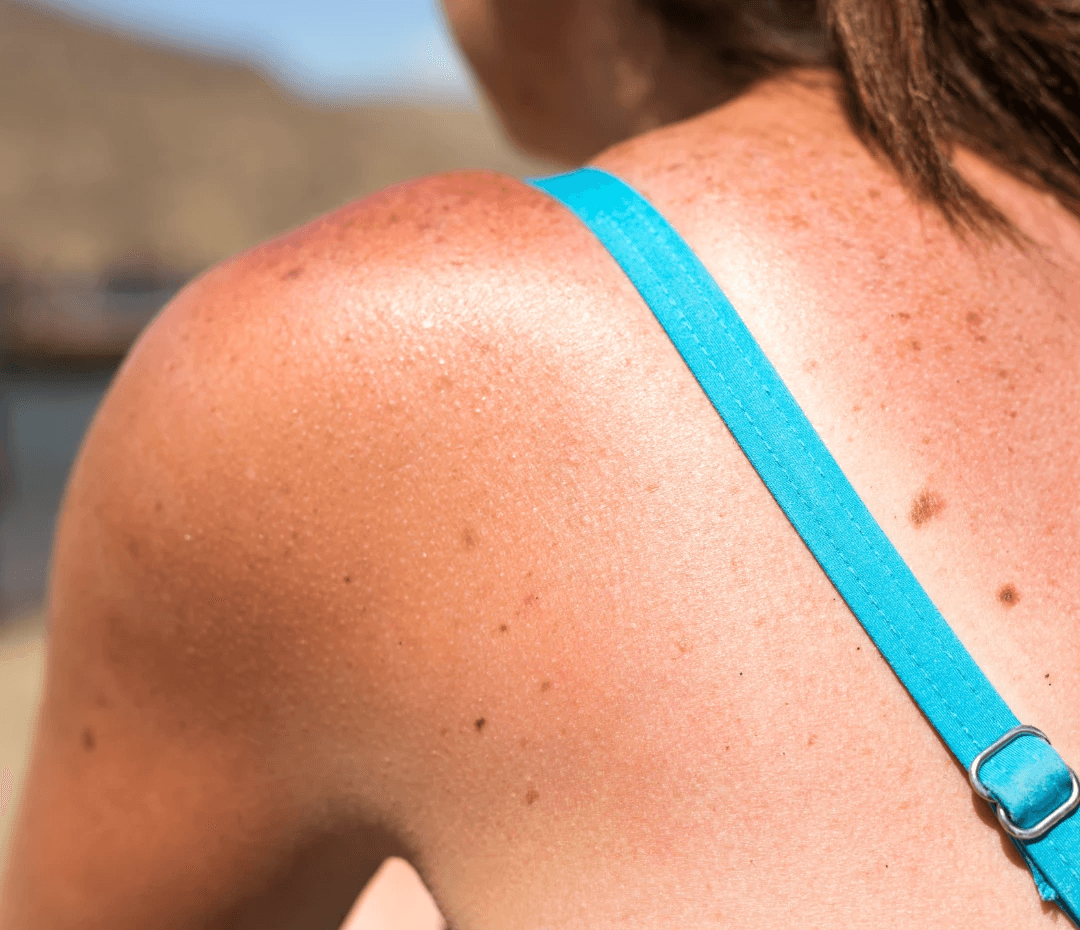
How to Recover Your Skin After Sunburn
After vacation, many people notice their skin looking darker.
Today, let’s go over how to restore your skin after sun exposure.
Why Does Skin Get Tanned or Burned?
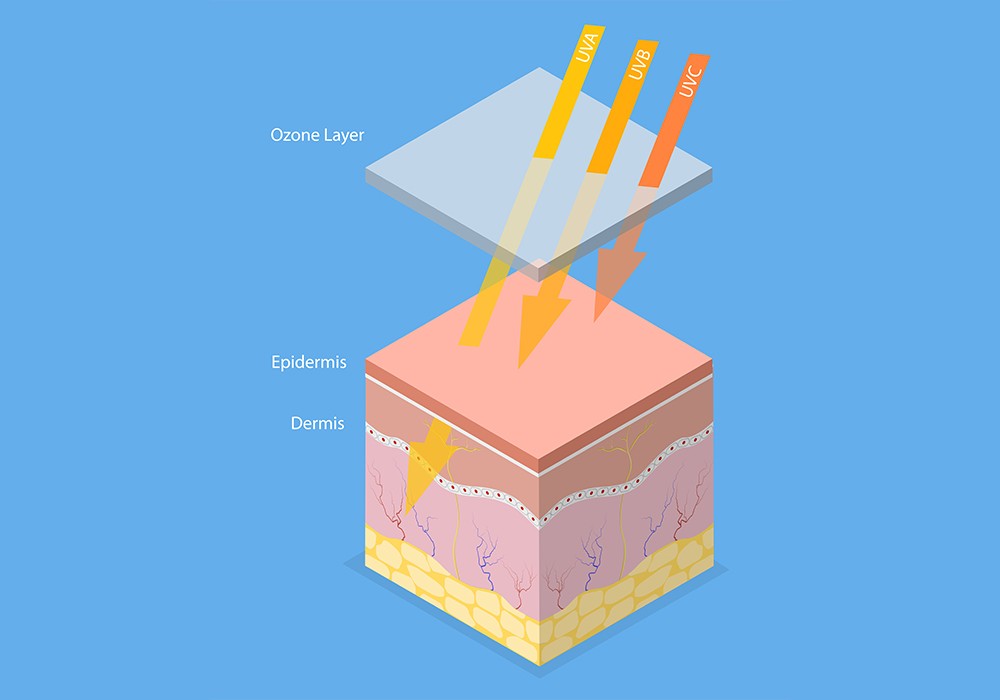
Skin darkens because prolonged exposure to UV rays triggers excessive production of melanin, the pigment responsible for skin color.
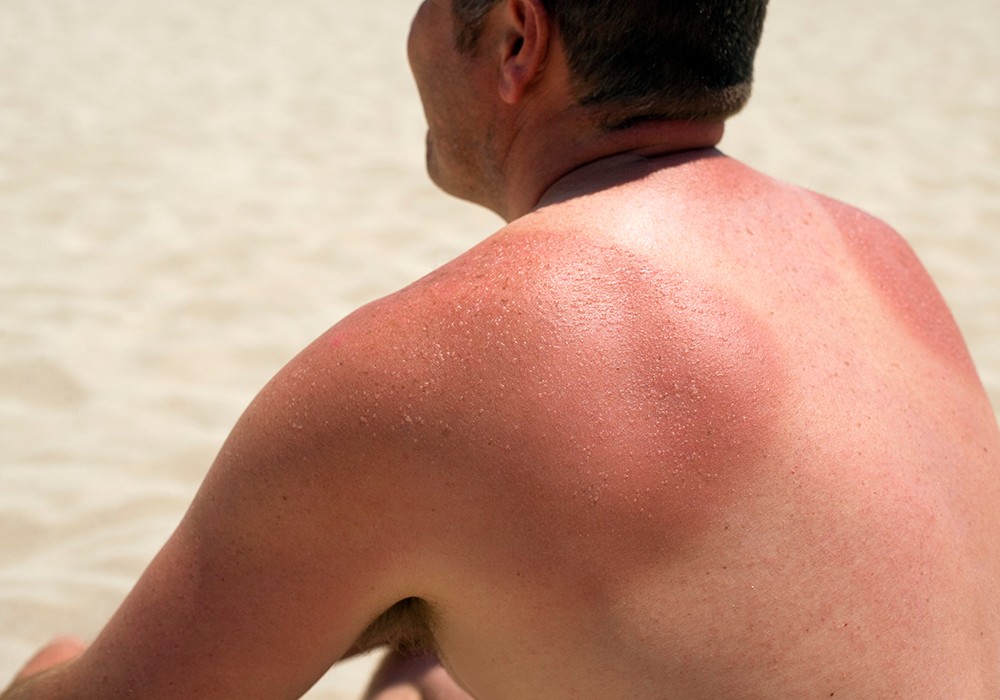
UV rays penetrate deep into the skin, damaging cells and causing inflammation. In severe cases, this can lead to pain and even blisters.
Will Skin Tone Return to Normal in Winter?
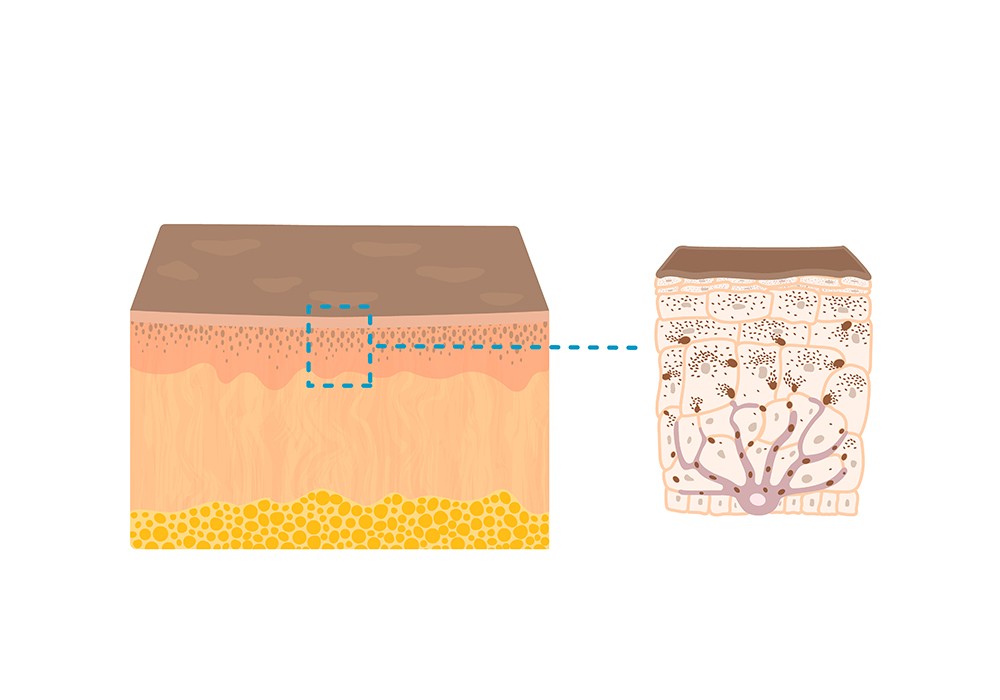
During winter, reduced sunlight slows melanin production, and normal cell turnover helps break down excess melanin. This can allow your skin tone to gradually return to its original color.
However, if UV exposure was intense and the skin was severely damaged, full recovery may be difficult. Care is needed to prevent lasting pigmentation.
How to Restore Skin After Sunburn
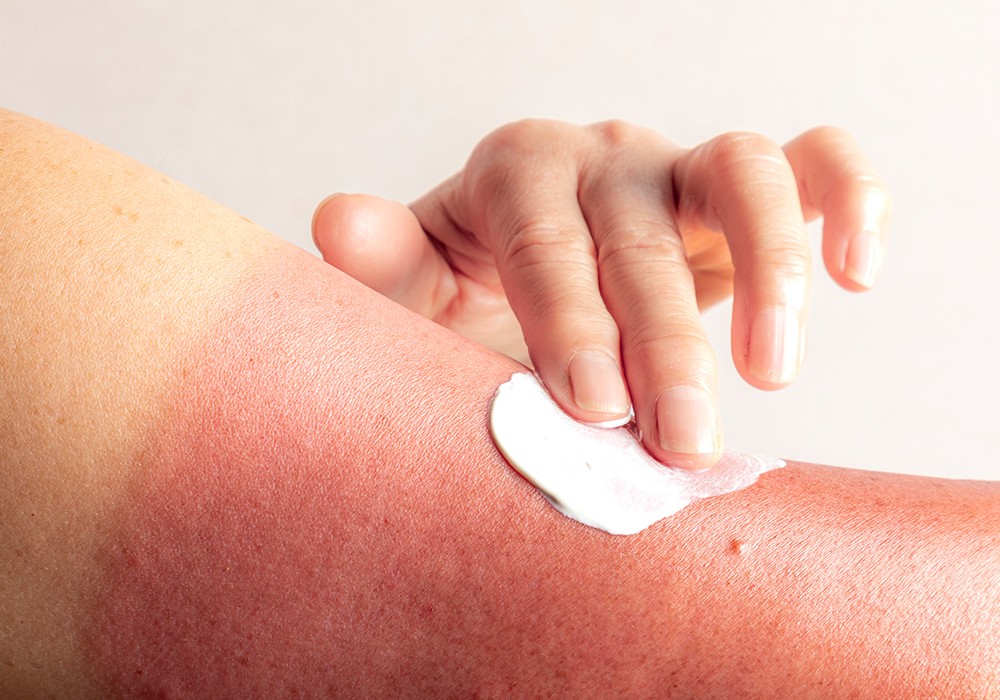
1. Cool the Skin
If your skin is red, painful, or peeling, you may have sunburn. The key is to prevent further damage and reduce inflammation.
Wash gently with lukewarm water.
Apply a cool compress: soak a towel, refrigerate it, then place on skin for 10–15 minutes.
2. Moisturize and Soothe
Use fragrance-free, alcohol-free aloe gel to calm the skin.
Apply moisturizers containing panthenol or hyaluronic acid for hydration.
3. Steroid Cream (If Necessary)
For red, weeping, or painful areas, a mild steroid cream (hydrocortisone 0.5–1%, Class 6–7) may help.
⚠ Important Tips:
Apply only a thin layer, in very small amounts.
Avoid daily repeated use, overuse can cause pigmentation, thinning, or acne.
The risk of side effects depends on the cream’s concentration and area of application; consult a doctor if symptoms are severe.
If Your Skin Remains Dark
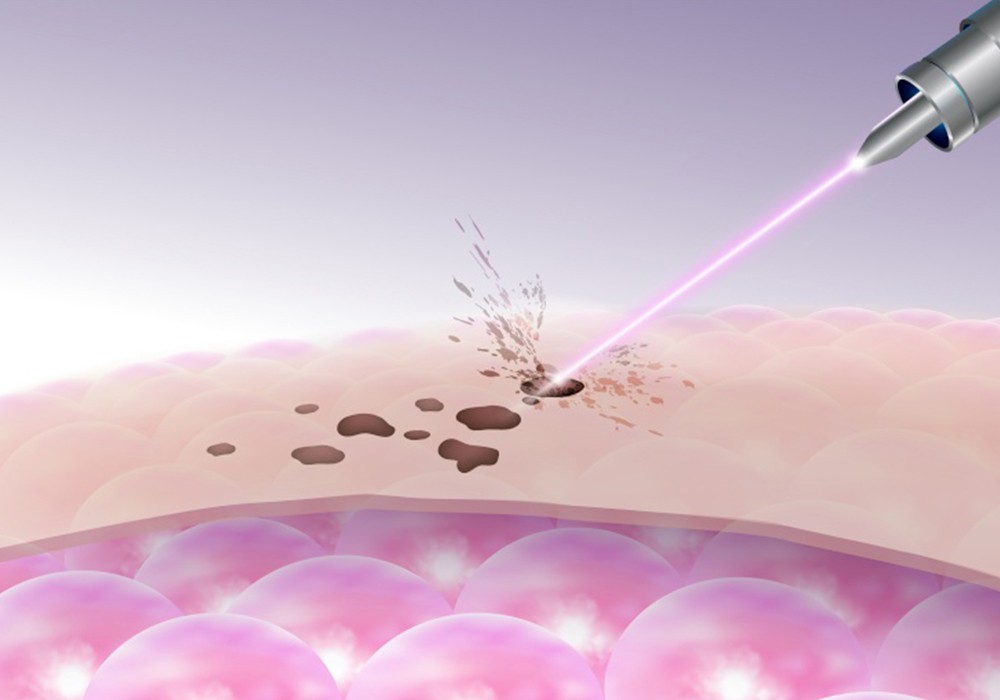
If your skin has darkened or developed pigmentation issues such as freckles or age spots after sun exposure, laser toning may help:
Reduces melanin in the epidermis and dermis
Improves overall skin tone and reduces discoloration
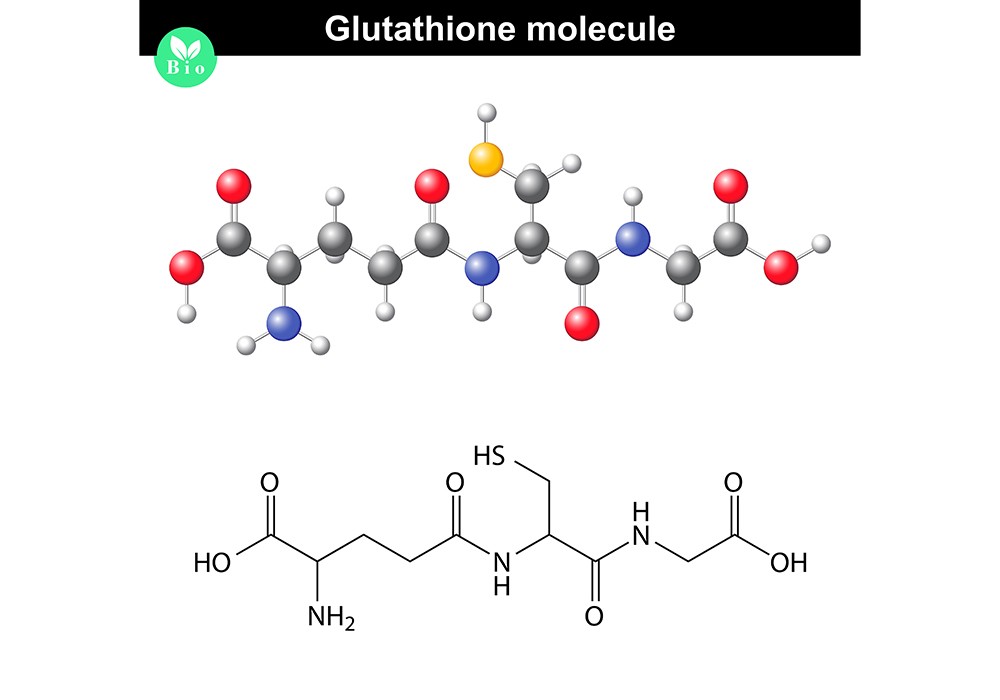
Pairing laser toning with a glutathione-based whitening injection can further enhance results. Vitamins C and E help prevent pigment formation and brighten the skin. See Skin Type & Concern-Specific Supplement Recommendations
Laser choice depends on your skin condition and type of pigmentation, so an accurate diagnosis is essential before treatment.
Prevention Is Key
While recovery is possible, the best approach is prevention:
Reapply sunscreen every 2–3 hours
Wear hats or use umbrellas to block direct sunlight
Avoid prolonged UV exposure to prevent photoaging
FAQ
Will tanned skin go back to normal on its own?
Tanned skin can gradually lighten as natural cell turnover breaks down excess melanin, but the timeline depends on sun exposure and skin type.
Can sun damaged skin become permanent?
Severe sun damage can lead to lasting pigmentation or texture changes if not properly cared for.
Can sunscreen help repair sun damaged skin?
Sunscreen helps prevent further damage but does not repair existing damage; combining it with moisturizers or treatments speeds recovery.
How long does it take for sun damaged skin to heal naturally?
Mild sun damage may heal within 1–2 weeks, while more severe burns or pigmentation changes can take several weeks to months.
What’s the best way to soothe sunburned skin at home?
Cool compresses, gentle lukewarm cleansing, and moisturizers with soothing ingredients like aloe, panthenol, or hyaluronic acid are most effective.
Struggling to repair sun damage?
Book a consultation at REPIC Clinic now!
Tags:
Redness
Pigmentation
Share this blog
Related Posts.
Looking for more expert insights? Explore these articles from our team of skincare specialists.

Skincare Recommendations

Back to Menu
Rewrite Your Beauty Story with REPIC Clinic
The more you understand your skin, the better decisions you can make about your daily habits and long-term skincare plan. Knowledge is the first step toward healthy, confident skin.
Ready to discover what your skin truly needs?
Back to Menu
How to Repair Sun-Damaged Skin After Vacation?
SKIN WIKI
SKIN WIKI
How to Recover Your Skin After Sunburn
After vacation, many people notice their skin looking darker.
Today, let’s go over how to restore your skin after sun exposure.
Why Does Skin Get Tanned or Burned?
Skin darkens because prolonged exposure to UV rays triggers excessive production of melanin, the pigment responsible for skin color.
UV rays penetrate deep into the skin, damaging cells and causing inflammation. In severe cases, this can lead to pain and even blisters.
Will Skin Tone Return to Normal in Winter?
During winter, reduced sunlight slows melanin production, and normal cell turnover helps break down excess melanin. This can allow your skin tone to gradually return to its original color.
However, if UV exposure was intense and the skin was severely damaged, full recovery may be difficult. Care is needed to prevent lasting pigmentation.
How to Restore Skin After Sunburn
1. Cool the Skin
If your skin is red, painful, or peeling, you may have sunburn. The key is to prevent further damage and reduce inflammation.
Wash gently with lukewarm water.
Apply a cool compress: soak a towel, refrigerate it, then place on skin for 10–15 minutes.
2. Moisturize and Soothe
Use fragrance-free, alcohol-free aloe gel to calm the skin.
Apply moisturizers containing panthenol or hyaluronic acid for hydration.
3. Steroid Cream (If Necessary)
For red, weeping, or painful areas, a mild steroid cream (hydrocortisone 0.5–1%, Class 6–7) may help.
⚠ Important Tips:
Apply only a thin layer, in very small amounts.
Avoid daily repeated use, overuse can cause pigmentation, thinning, or acne.
The risk of side effects depends on the cream’s concentration and area of application; consult a doctor if symptoms are severe.
If Your Skin Remains Dark
If your skin has darkened or developed pigmentation issues such as freckles or age spots after sun exposure, laser toning may help:
Reduces melanin in the epidermis and dermis
Improves overall skin tone and reduces discoloration
Pairing laser toning with a glutathione-based whitening injection can further enhance results. Vitamins C and E help prevent pigment formation and brighten the skin. See Skin Type & Concern-Specific Supplement Recommendations
Laser choice depends on your skin condition and type of pigmentation, so an accurate diagnosis is essential before treatment.
Prevention Is Key
While recovery is possible, the best approach is prevention:
Reapply sunscreen every 2–3 hours
Wear hats or use umbrellas to block direct sunlight
Avoid prolonged UV exposure to prevent photoaging
FAQ
Will tanned skin go back to normal on its own?
Tanned skin can gradually lighten as natural cell turnover breaks down excess melanin, but the timeline depends on sun exposure and skin type.
Can sun damaged skin become permanent?
Severe sun damage can lead to lasting pigmentation or texture changes if not properly cared for.
Can sunscreen help repair sun damaged skin?
Sunscreen helps prevent further damage but does not repair existing damage; combining it with moisturizers or treatments speeds recovery.
How long does it take for sun damaged skin to heal naturally?
Mild sun damage may heal within 1–2 weeks, while more severe burns or pigmentation changes can take several weeks to months.
What’s the best way to soothe sunburned skin at home?
Cool compresses, gentle lukewarm cleansing, and moisturizers with soothing ingredients like aloe, panthenol, or hyaluronic acid are most effective.
Struggling to repair sun damage?
Book a consultation at REPIC Clinic now!
Tags:
Redness
Pigmentation
Share this blog
Related Posts.
Looking for more expert insights? Explore these articles from our team of skincare specialists.
Skincare Recommendations
Back to Menu
Rewrite Your Beauty Story with REPIC Clinic
The more you understand your skin, the better decisions you can make about your daily habits and long-term skincare plan. Knowledge is the first step toward healthy, confident skin.
Ready to discover what your skin truly needs?
Back to Menu
How to Repair Sun-Damaged Skin After Vacation?
SKIN WIKI
SKIN WIKI
How to Recover Your Skin After Sunburn
After vacation, many people notice their skin looking darker.
Today, let’s go over how to restore your skin after sun exposure.
Why Does Skin Get Tanned or Burned?
Skin darkens because prolonged exposure to UV rays triggers excessive production of melanin, the pigment responsible for skin color.
UV rays penetrate deep into the skin, damaging cells and causing inflammation. In severe cases, this can lead to pain and even blisters.
Will Skin Tone Return to Normal in Winter?
During winter, reduced sunlight slows melanin production, and normal cell turnover helps break down excess melanin. This can allow your skin tone to gradually return to its original color.
However, if UV exposure was intense and the skin was severely damaged, full recovery may be difficult. Care is needed to prevent lasting pigmentation.
How to Restore Skin After Sunburn
1. Cool the Skin
If your skin is red, painful, or peeling, you may have sunburn. The key is to prevent further damage and reduce inflammation.
Wash gently with lukewarm water.
Apply a cool compress: soak a towel, refrigerate it, then place on skin for 10–15 minutes.
2. Moisturize and Soothe
Use fragrance-free, alcohol-free aloe gel to calm the skin.
Apply moisturizers containing panthenol or hyaluronic acid for hydration.
3. Steroid Cream (If Necessary)
For red, weeping, or painful areas, a mild steroid cream (hydrocortisone 0.5–1%, Class 6–7) may help.
⚠ Important Tips:
Apply only a thin layer, in very small amounts.
Avoid daily repeated use, overuse can cause pigmentation, thinning, or acne.
The risk of side effects depends on the cream’s concentration and area of application; consult a doctor if symptoms are severe.
If Your Skin Remains Dark
If your skin has darkened or developed pigmentation issues such as freckles or age spots after sun exposure, laser toning may help:
Reduces melanin in the epidermis and dermis
Improves overall skin tone and reduces discoloration
Pairing laser toning with a glutathione-based whitening injection can further enhance results. Vitamins C and E help prevent pigment formation and brighten the skin. See Skin Type & Concern-Specific Supplement Recommendations
Laser choice depends on your skin condition and type of pigmentation, so an accurate diagnosis is essential before treatment.
Prevention Is Key
While recovery is possible, the best approach is prevention:
Reapply sunscreen every 2–3 hours
Wear hats or use umbrellas to block direct sunlight
Avoid prolonged UV exposure to prevent photoaging
FAQ
Will tanned skin go back to normal on its own?
Tanned skin can gradually lighten as natural cell turnover breaks down excess melanin, but the timeline depends on sun exposure and skin type.
Can sun damaged skin become permanent?
Severe sun damage can lead to lasting pigmentation or texture changes if not properly cared for.
Can sunscreen help repair sun damaged skin?
Sunscreen helps prevent further damage but does not repair existing damage; combining it with moisturizers or treatments speeds recovery.
How long does it take for sun damaged skin to heal naturally?
Mild sun damage may heal within 1–2 weeks, while more severe burns or pigmentation changes can take several weeks to months.
What’s the best way to soothe sunburned skin at home?
Cool compresses, gentle lukewarm cleansing, and moisturizers with soothing ingredients like aloe, panthenol, or hyaluronic acid are most effective.
Struggling to repair sun damage?
Book a consultation at REPIC Clinic now!
Tags:
Redness
Pigmentation
Share this blog
Related Posts.
Looking for more expert insights? Explore these articles from our team of skincare specialists.
Skincare Recommendations
Back to Menu
Rewrite Your Beauty Story with
REPIC Clinic
The more you understand your skin, the better decisions you can make about your daily habits and long-term skincare plan. Knowledge is the first step toward healthy, confident skin.
Ready to discover what your skin truly needs?