Back to Menu
Skin Type & Concern-Specific Supplement Recommendations

Your Guide to Skin-Optimized Nutrition by REPIC Clinic
Notice Pillow Marks or Enlarging Pores in Your 20s? Worried About Wrinkles and Sagging in Your 30s-40s? Learn How to Slow Intrinsic Skin Aging Naturally!
If you’re in your 20s and notice pillow marks on your face in the morning or gradually enlarging pores, it’s a sign that your skin is starting to show early aging.
For those in their 30s and 40s, wrinkles appearing one by one and gradual facial sagging are common concerns. Understanding why skin ages is the first step to slowing it down.
Skin aging happens in two main ways:
Intrinsic aging – the natural aging process that occurs with time.
Photoaging – skin aging accelerated by UV exposure. See Runner's Face - Does Running Age Your Skin?
In this article, we focus on intrinsic aging and explore how you can slow down aging and improve skin health naturally through targeted supplements, without relying solely on procedures or skincare products.
What is Intrinsic Aging?

Intrinsic aging occurs because the production of key skin components decreases while their breakdown accelerates over time. This leads to visible changes in skin structure and overall texture.
One of the most important components, collagen, declines by an average of 1% per year starting in your mid-20s, with faster drops in your 40s and 60s. Supporting your skin internally with the right nutrients and supplements can help maintain structure, firmness, and elasticity.
How Collagen and Elastin Affect Skin Aging

Collagen, the major structural protein in the dermis, plays a key role in maintaining firmness, elasticity, and facial contours. As collagen decreases with age, several visible changes occur:
Types of Collagen:
Type I collagen (80–90%) – provides strength and support, acting as a solid framework for the skin.
Type III collagen (10–20%) – provides elasticity and flexibility, especially in areas that stretch, like blood vessel walls.
Formation of Wrinkles:
Wrinkles that initially appear only during facial expressions, such as on the forehead or around the eyes, gradually deepen and remain even when your face is at rest.
This happens because as the supportive collagen network collapses, dynamic wrinkles become fixed wrinkles, similar to folded paper that no longer unfolds.Sagging and Blurred Contours:
When collagen fibers weaken, the skin loses firmness, leading to sagging and blurred facial contours.

Elastin, the protein responsible for skin’s ability to stretch and return to its original shape, also declines starting in your 20s. By your late 20s, new elastin production essentially stops, and existing elastin continues to break down.
This explains why people in their mid-to-late 20s often notice:
Pillow marks that don’t disappear quickly in the morning
Gradually enlarging pores that don’t return to their original size
Common Skin Supplements That Doctors Take Too
Low Molecular Weight Collagen
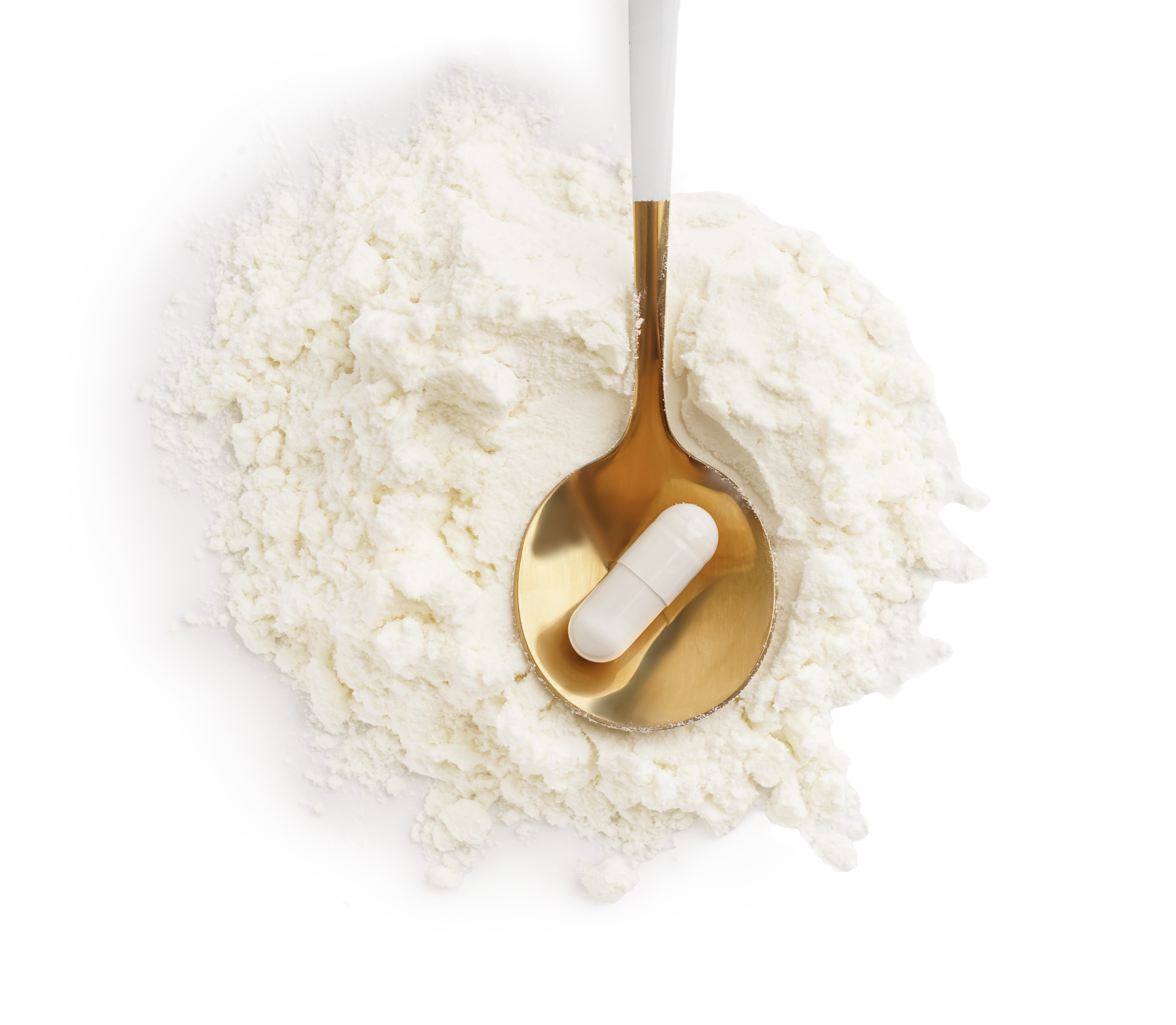
Unlike regular collagen, its small particle size results in high absorption in the body,
Original collagen has a large molecular weight and complex structure, making it difficult for digestive enzymes to break down in the gastrointestinal tract. Low molecular weight collagen has already undergone hydrolysis, resulting in a lower molecular weight state that can be quickly and efficiently broken down in the small intestine.
It accumulates primarily in skin tissue and remains there for a long time.
When radioactively labeled collagen hydrolysate (Pro(^¹⁴C )-Hyp-Gly tripeptide) was consumed, radioactivity levels in the skin were significantly higher than in other tissues and remained high even after 14 days. This suggests that collagen-derived peptides were incorporated into skin structures such as existing collagen fibers or other matrix proteins.
It's a very effective supplement for improving skin elasticity, hydration, and wrinkles by promoting the production of collagen and hyaluronic acid!
Collagen breakdown products such as Pro-Hyp and Hyp-Gly dipeptides reach the skin and locally activate fibroblasts to promote the synthesis of dermal matrix components like collagen, elastin, and hyaluronic acid, enhancing skin regeneration. Digestive products of low molecular weight collagen containing hydroxyproline (Hyp), such as Pro-Hyp and Hyp-Gly dipeptides, are not easily broken down by peptide-degrading enzymes in the digestive system and plasma, remaining at high concentrations in the blood (30% of initial concentration) even 24 hours after ingestion, allowing them to reach peripheral tissues effectively.
Collagen is not a purine protein, so there is a low risk of gout even with high consumption. The FDA's recommended daily intake is 1000-2500mg, but I recommend over 20g.
The concentration of Pro-Hyp (200μM) confirmed to induce fibroblast proliferation in in vitro experiments is a concentration that can be sufficiently reached through diet. For example, when consuming 10g of collagen hydrolysate, the blood concentration of Pro-Hyp is 25-60μM, with a steady-state concentration calculated at approximately 36-86μM. Meanwhile, the concentration of Pro-Hyp that can be reached through protein consumed in a normal diet is much lower.
✔️ Improves skin elasticity & wrinkles
✔️ Increases skin hydration & prevents dryness
CHECK POINT!
Check the molecular size → Look for "small molecule" or "collagen peptide" labeling (500~1,000 Da or less)
Choose fish collagen → Fish coll agen tends to have a smaller molecular weight than bovine and porcine collagen, resulting in higher skin absorption
→ Of course, processing method and molecular size are important!
Look for products with high tripeptide content → Studies have shown that it has a high absorption rate
Vitamin C-containing products or a combination of vitamin C → Essential nutrient that helps collagen synthesis
REFERENCE
Virgilio, Nicolina, et al. "Absorption of bioactive peptides following collagen hydrolysate intake: a randomized, double-blind crossover study in healthy individuals." Frontiers in Nutrition 11 (2024): 1416643.
Musayeva, Fargana, Saniye Özcan, and Mustafa Sinan Kaynak. "A review on collagen as a food supplement." Journal of Pharmaceutical Technology 3.1 (2022): 7-29.
Sato, Kenji, Tomoko T. Asai, and Shiro Jimi. "Collagen-derived di-peptide, prolylhydroxyproline (Pro-Hyp): a new low molecular weight growth-initiating factor for specific fibroblasts associated with wound healing." Frontiers in cell and developmental biology 8 (2020): 548975.
Watanabe-Kamiyama, Mari, et al. "Absorption and effectiveness of orally administered low molecular weight collagen hydrolysate in rats." Journal of agricultural and food chemistry 58.2 (2010): 835-841.
Yamamoto, Shoko, et al. "Absorption and urinary excretion of peptides after collagen tripeptide ingestion in humans." Biological and Pharmaceutical Bulletin 39.3 (2016): 428-434.
Vitamin C
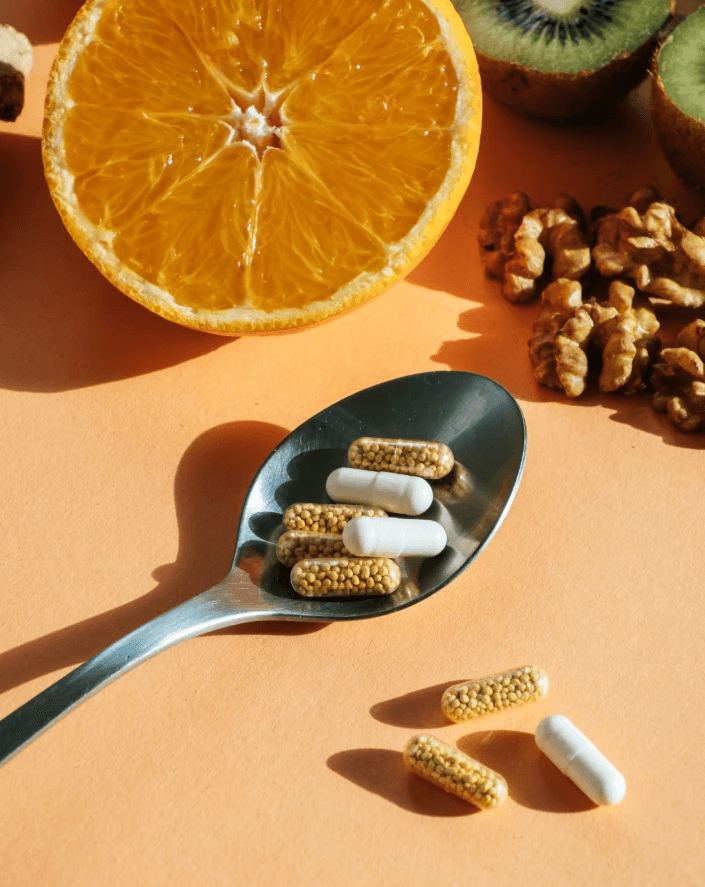
Vitamin C (ascorbic acid) is a powerful antioxidant , known for its ability to scavenge free radicals, the main culprits of aging.
In addition to that, it improves elasticity by helping to synthesize collagen,
inhibits the enzyme that synthesizes melanin pigment, which helps whiten the skin.
The recommended daily intake from the Ministry of Food and Drug Safety is 100 mg, butit's okay to take more because it's excreted in the urine, and there are nutritional supplements with more than 500 mg on the market.
However, do not take more than 2000mg as there is a risk of kidney stones!
✔️ Whitens skin & reduces pigmentation caused by UV rays
✔️ Powerful antioxidant action
✔️ Improves acne & problem skin
✔️ Boosts collagen synthesis
CHECK POINT!
Ester or buffered VIT C formulation recommended → Reduces heartburn, uncomfortable feeling!
Liposomal Vit C recommended → Lipid-based formulations (such as liposomes) effectively cross the body's barrier for absorption ↑.
Taken with Biotin and Zinc→ Taken with biotin (for keratin synthesis↑) and zinc (to support cell renewal), it can increase skin barrier function and collagen density!
REFERENCE
Pullar JM, Carr AC, Vissers MCM. The Roles of Vitamin C in Skin Health. Nutrients. 2017;9(8):866. Published 2017 Aug 12.
Gref, R., Deloménie, C., Maksimenko, A. et al. Vitamin C-squalene bioconjugate promotes epidermal thickening and collagen production in human skin. Sci Rep 10, 16883 (2020).
Ho MJ, Park HJ, Kang MJ. Neutral Oil-Incorporated Liposomal Nanocarrier for Increased Skin Delivery of Ascorbic Acid. Materials (Basel). Materials (Basel). 2023;16(6):2294. Published 2023 Mar 13.
Januszewski J, Forma A, Zembala J, et al. Nutritional Supplements for Skin Health-A Review of What Should Be Chosen and Why. Medicina (Kaunas). 2023;60(1):68. Published 2023 Dec 29.
Glutathione
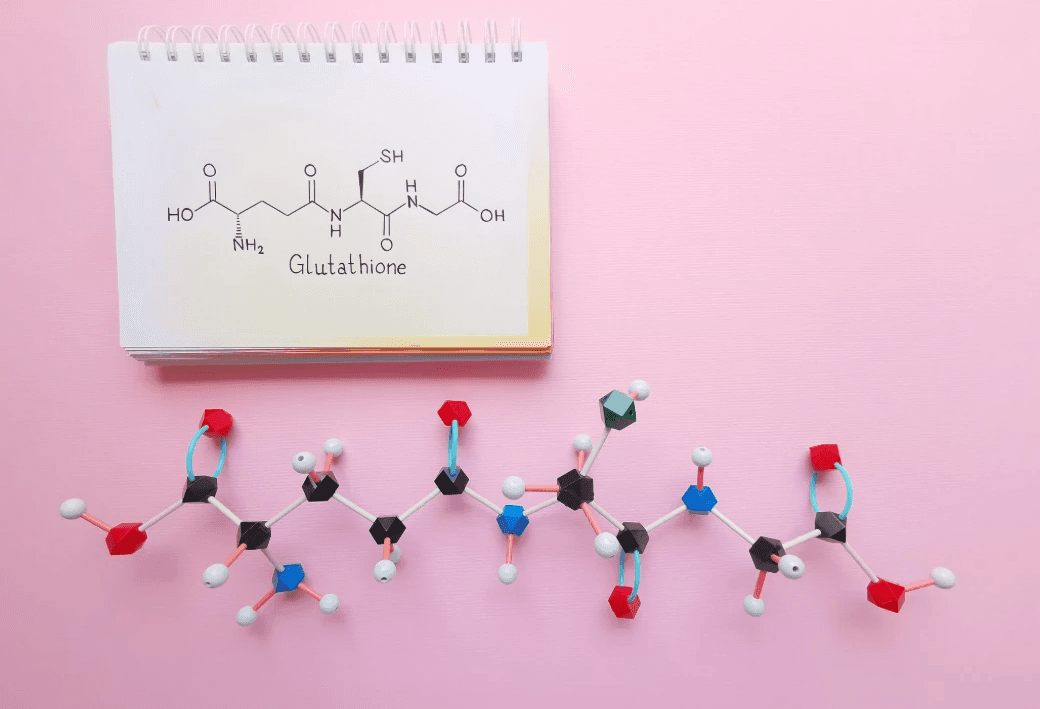
Glutathione, a tripeptide of three amino acids (γGlu-Cys-Gly), is the most powerful antioxidant produced by the body .
It helps whiten skin by inhibiting the enzyme that synthesizes the pigment melanin, a different mechanism than vitamin C.
The Food and Drug Administration does not have a recommended daily allowance for glutathione . Many studies evaluating the efficacy of glutathione supplements use 250 mg, but you can take 500-1000 mg.
✔️ Whitens & tones skin
✔️ Antioxidant & anti-aging
✔️ Fatigue recovery
✔️ Hangover relief
CHECK POINT!
High content (250~500mg or more) is recommended
Liposomal processing & choose L-Glutathione or Reduced Glutathione → Increase absorption rate
Synergistic effect when taken with vitamin C
REFERENCE
Weschawalit, Sinee, et al. "Glutathione and its antiaging and antimelanogenic effects." Clinical, cosmetic and investigational dermatology (2017): 147-153.
Richie, John P., et al. "Randomized controlled trial of oral glutathione supplementation on body stores of glutathione." European journal of nutrition 54 (2015): 251-263.
Sinha, Raghu, et al. "Oral supplementation with liposomal glutathione elevates body stores of glutathione and markers of immune function." European journal of clinical nutrition 72.1 (2018): 105-111.
Oily Skin Nutrition
Zinc

Zinc is an essential mineral that is important for skin regeneration, acne relief, and immunity.
It helps reduce inflammation and regulate sebum, which is especially important for those with oily or acne-prone skin to maintain clear skin
The recommended daily intake of 6-10 mg is recommended by the Food and Drug Administration, and you should be careful not to take more than 35 mg.
✔️ Firms skin & reduces wrinkles
✔️ Moisturizes skin & prevents dryness
✔️ Nail & hair health
✔️ Skin elasticity & wrinkle improvement
CHECK POINT!
-Select a high zinc content (10-50mg) product
-Look for zinc picolinate or zinc citrate, as they are more absorbable
-Combine with vitamin C for better absorption
Recommended to be taken with biotin and probiotics if you have acne-prone skin
REFERENCE
Rostan, Elizabeth F., et al. "Evidence supporting zinc as an important antioxidant for skin." International journal of dermatology 41.9 (2002): 606-611.
Dhaliwal, Simran, et al. "Effects of zinc supplementation on inflammatory skin diseases: a systematic review of the clinical evidence." American journal of clinical dermatology 21 (2020): 21-39.
Demetree, John W., Leslie F. Safer, and William M. Artis. "The effect of zinc on the sebum secretion rate." Acta dermato-venereologica 60.2 (1980): 166-169.
Barrie, S. A., et al. "Comparative absorption of zinc picolinate, zinc citrate and zinc gluconate in humans." Agents and actions 21.1 (1987): 223-228.
Vitamin A

Vitamin A is a nutrient that plays an important role in skin regeneration, wrinkle reduction, and acne relief.
It helps maintain healthy skin by stimulating collagen synthesis, regulating sebum, regulating the keratinocyte turnover cycle, and providing antioxidant protection .
The recommended daily intake of the Ministry of Food and Drug Safety is 650~800 μg RE, and you should avoid taking more than 3000 μg RE.
✔️ Regenerates & firms skin
✔️ Acne & sebum control
✔️ Antioxidant & anti-aging
✔️ Improve dry skin & flaking
CHECK POINT!
Choose between retinol (animal) & beta-carotene (plant)
Fat-soluble vitamins, so better absorption when combined with omega-3s
Excessive intake can have side effects (liver toxicity and risk of teratogenicity), so pregnant women should be especially careful(daily dose should not exceed 3000 μg RE)
REFERENCE
Chopra, Dharam P., and B. Allen Flaxman. "The effect of vitamin A on growth and differentiation of human keratinocytes in vitro." Journal of Investigative Dermatology 64.1 (1975). pp: 19-22.
Varani, James, et al. "Vitamin A antagonizes decreased cell growth and elevated collagen-degrading matrix metalloproteinases and stimulates collagen accumulation in naturally aged human skin1." Journal of investigative dermatology 114.3 (2000): 480-486.
Milani, Massimo, and Francesca Colombo. "Skin anti-aging effect of oral vitamin a supplementation in combination with topical retinoic acid treatment in comparison with topical treatment alone: a randomized, prospective, Assessor-blinded, parallel trial." Cosmetics 10.5 (2023): 144.
Cook, Madison K., Patrick O. Perche, and Steven R. Feldman. "The use of oral vitamin A in acne management: a review." Dermatology Online Journal 28.5 (2022).
Barrie, S. A., et al. "Comparative absorption of zinc picolinate, zinc citrate and zinc gluconate in humans." Agents and actions 21.1 (1987): 223-228.
Dry/Sensitive Skin Nutrition
Omega-3s
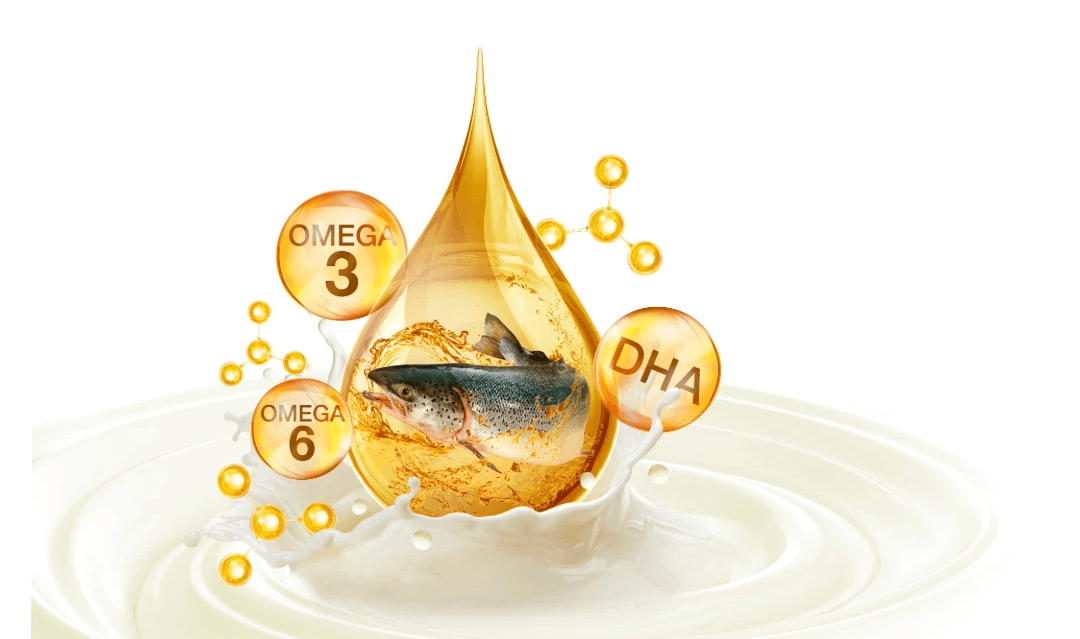
Omega-3sare essential fatty acids that the body cannot produce on its own . They helpstrengthen the skin barrier to reduce moisture loss and and increase protection against external irritants.
With their anti-inflammatory and antioxidant properties, they are also helpful for sensitive skin!
The recommended daily intake is 500mg-2000mg and you should be careful not to take more than 3000mg.
✔️ Improves skin dryness
✔️ Reduces acne
✔️ Anti-aging & skin elasticity
CHECK POINT!
Check EPA & DHA ratio → EPA (inflammation ↓) + DHA (elasticity ↑, brain health)
Recommend highly concentrated products → Products containing more than 1,000mg/day of EPA+DHA
Recommend rTG or TG type → Highly absorbed by the body
IFOS (International Fish Oil Certification) check → products tested for heavy metals & impurities
REFERENCE
Thomsen BJ, Chow EY, Sapijaszko MJ. The Potential Uses of Omega-3 Fatty Acids in Dermatology: A Review. J Cutan Med Surg. 2020;24(5):481-494.
Huang TH, Wang PW, Yang SC, Chou WL, Fang JY. Cosmetic and Therapeutic Applications of Fish Oil's Fatty Acids on the Skin. Mar Drugs. 2018;16(8):256. Published 2018 Jul 30.
Minton ST, Almada AL, Evans JL, Laidlaw M, Opheim J. Comparative membrane incorporation of omega-3 fish oil triglyceride preparations differing by degree of re-esterification: A sixteen-week randomized intervention trial. PLoS One. Published 2023 Jan 27. doi:10.1371/journal.pone.0265462
Latreille, Julie, et al. "Association between dietary intake of n-3 polyunsaturated fatty acids and severity of skin photoaging in a middle-aged Caucasian population." Journal of Dermatological Science 72.3 (2013): 233-239.
Barcelos, Raquel CS, et al. "Oral supplementation with fish oil reduces dryness and pruritus in the acetone-induced dry skin rat model." Journal of Dermatological Science 79.3 (2015): 298-304.
Gamma Linolenic Acid (Evening Primrose Seed Oil)

Gamma-linolenic acid (GLA),an essential fatty acid, is known for its abundance in evening primrose seed oil,
Gamma-linolenic acid is a type of omega-6, which means it undergoes a similar metabolic pathway to omega-3s and has similar effects.
It strengthens the skin's barrier to help moisturize the skin, improve acne, and balance hormones.
Similarly, its anti-inflammatory and antioxidant properties help sensitive skin!
The recommended daily intake is 240mg-300mg.
✔️ Moisturizes & reduces dryness
✔️ Improve acne & inflammation
✔️ Prevents aging
CHECK POINT!
When taking evening primrose seed oil, look for a product with at least 8-10% GLA and a cold-pressed extraction method.
Synergizes with omega-3s for antioxidant and anti-inflammatory benefits through different pathways !
Synergistic effect when combined with vitamin E, which increases the absorption and bioavailability of omega-3 and gamma-linolenic acid!
REFERENCE
Kapoor, Rakesh, and Yung-Sheng Huang. "Gamma linolenic acid: an antiinflammatory omega-6 fatty acid." Current pharmaceutical biotechnology 7.6 (2006): 531-534.
Jung, Jae Yoon, et al. "Effect of dietary supplementation with omega-3 fatty acid and gamma-linolenic acid on acne vulgaris: a randomized, double-blind, controlled trial." Acta dermato-venereologica 94.5 (2014): 521-525.
Schott, Christopher K., and David T. Huang. "ω-3 fatty acids, γ-linolenic acid, and antioxidants: immunomodulators or inert dietary supplements?." (2012). pp: 1-3.
Ells, Gregory W., et al. "Vitamin E blocks the cytotoxic effect of γ-linolenic acid when administered as late as the time of onset of cell death-insight into the mechanism of fatty acid induced cytotoxicity." Cancer letters 98.2 (1996): 207-211.
One-line summary
Common Skin Nutrients | Low Molecular Weight Collagen / Vitamin C / Glutathione |
For oily | Zinc / Vitamin A |
Dry / Sensitive | Omega 3 / Gamma Linolenic Acid / Vitamin E |
Whitening | Vitamin C / Glutathione |
Anti-inflammatory | Omega 3 / Gamma Linolenic Acid |
Anti-aging | Low Molecular Weight Collagen / Vitamin C / Glutathione / Zinc / Vitamin A / Omega 3 / Gamma Linolenic Acid / Vitamin E |
Nutraceuticals are just 'supplements', NOT a fundamental solution
While there is a lot of literature on the effectiveness of nutraceuticals for skin aging, they are not prescription medications, so their effectiveness may be limited. It's best to consider nutraceuticals as an adjunct to skincare and treatments, but endogenous aging is a natural process, so it's important to keep an eye on it and continue to take care of it in some form or another!
Q&A: Skin Aging, Enlarged Pores, and Facial Contours
Why should I care about skin nutrition in my 20s and 30s?
Early signs like pillow marks, slightly enlarged pores, or dull skin mean your collagen and elastin are starting to decline. Supporting your skin internally now can slow intrinsic aging and maintain firmness, elasticity, and hydration.
How should I approach supplement intake?
Start with the recommended daily doses on quality products. Focus on absorption, forms like low molecular weight collagen, liposomal Vitamin C, or re-esterified Omega-3s are often better absorbed. Remember, more isn’t always better; exceeding limits can cause side effects.
How does intrinsic aging affect facial fat and wrinkles?
Intrinsic aging reduces subcutaneous fat in the face, which changes facial contours and wrinkle formation: Upper eyelid fat loss: Can make single eyelids appear as double eyelids or enhance existing double eyelids. Midface fat loss: Causes a flatter face, deeper nasolabial folds, sagging, and formation of jowls and marionette lines. The SMAS layer (fibromuscular layer connecting muscles and fat) loses function as muscle atrophies, reducing the skin’s lifting support. This results in: Mid-lower face sagging Double chin formation Jawline collapse
How soon will I see results from supplements?
Supplements usually take several weeks to months to show visible effects. Collagen and antioxidants support long-term skin structure rather than immediate changes, so consistency is key.
Want to take the next step to improve your skin health?
Book a consultation at REPIC Clinic now!
Tags:
Skin Type
Share this blog
Related Posts.
Looking for more expert insights? Explore these articles from our team of skincare specialists.


Skincare Recommendations
Back to Menu
Rewrite Your Beauty Story with REPIC Clinic
The more you understand your skin, the better decisions you can make about your daily habits and long-term skincare plan. Knowledge is the first step toward healthy, confident skin.
Ready to discover what your skin truly needs?
Back to Menu
Skin Type & Concern-Specific Supplement Recommendations
Your Guide to Skin-Optimized Nutrition by REPIC Clinic
Notice Pillow Marks or Enlarging Pores in Your 20s? Worried About Wrinkles and Sagging in Your 30s-40s? Learn How to Slow Intrinsic Skin Aging Naturally!
If you’re in your 20s and notice pillow marks on your face in the morning or gradually enlarging pores, it’s a sign that your skin is starting to show early aging.
For those in their 30s and 40s, wrinkles appearing one by one and gradual facial sagging are common concerns. Understanding why skin ages is the first step to slowing it down.
Skin aging happens in two main ways:
Intrinsic aging – the natural aging process that occurs with time.
Photoaging – skin aging accelerated by UV exposure. See Runner's Face - Does Running Age Your Skin?
In this article, we focus on intrinsic aging and explore how you can slow down aging and improve skin health naturally through targeted supplements, without relying solely on procedures or skincare products.
What is Intrinsic Aging?
Intrinsic aging occurs because the production of key skin components decreases while their breakdown accelerates over time. This leads to visible changes in skin structure and overall texture.
One of the most important components, collagen, declines by an average of 1% per year starting in your mid-20s, with faster drops in your 40s and 60s. Supporting your skin internally with the right nutrients and supplements can help maintain structure, firmness, and elasticity.
How Collagen and Elastin Affect Skin Aging
Collagen, the major structural protein in the dermis, plays a key role in maintaining firmness, elasticity, and facial contours. As collagen decreases with age, several visible changes occur:
Types of Collagen:
Type I collagen (80–90%) – provides strength and support, acting as a solid framework for the skin.
Type III collagen (10–20%) – provides elasticity and flexibility, especially in areas that stretch, like blood vessel walls.
Formation of Wrinkles:
Wrinkles that initially appear only during facial expressions, such as on the forehead or around the eyes, gradually deepen and remain even when your face is at rest.
This happens because as the supportive collagen network collapses, dynamic wrinkles become fixed wrinkles, similar to folded paper that no longer unfolds.Sagging and Blurred Contours:
When collagen fibers weaken, the skin loses firmness, leading to sagging and blurred facial contours.
Elastin, the protein responsible for skin’s ability to stretch and return to its original shape, also declines starting in your 20s. By your late 20s, new elastin production essentially stops, and existing elastin continues to break down.
This explains why people in their mid-to-late 20s often notice:
Pillow marks that don’t disappear quickly in the morning
Gradually enlarging pores that don’t return to their original size
Common Skin Supplements That Doctors Take Too
Low Molecular Weight Collagen
Unlike regular collagen, its small particle size results in high absorption in the body,
Original collagen has a large molecular weight and complex structure, making it difficult for digestive enzymes to break down in the gastrointestinal tract. Low molecular weight collagen has already undergone hydrolysis, resulting in a lower molecular weight state that can be quickly and efficiently broken down in the small intestine.
It accumulates primarily in skin tissue and remains there for a long time.
When radioactively labeled collagen hydrolysate (Pro(^¹⁴C )-Hyp-Gly tripeptide) was consumed, radioactivity levels in the skin were significantly higher than in other tissues and remained high even after 14 days. This suggests that collagen-derived peptides were incorporated into skin structures such as existing collagen fibers or other matrix proteins.
It's a very effective supplement for improving skin elasticity, hydration, and wrinkles by promoting the production of collagen and hyaluronic acid!
Collagen breakdown products such as Pro-Hyp and Hyp-Gly dipeptides reach the skin and locally activate fibroblasts to promote the synthesis of dermal matrix components like collagen, elastin, and hyaluronic acid, enhancing skin regeneration. Digestive products of low molecular weight collagen containing hydroxyproline (Hyp), such as Pro-Hyp and Hyp-Gly dipeptides, are not easily broken down by peptide-degrading enzymes in the digestive system and plasma, remaining at high concentrations in the blood (30% of initial concentration) even 24 hours after ingestion, allowing them to reach peripheral tissues effectively.
Collagen is not a purine protein, so there is a low risk of gout even with high consumption. The FDA's recommended daily intake is 1000-2500mg, but I recommend over 20g.
The concentration of Pro-Hyp (200μM) confirmed to induce fibroblast proliferation in in vitro experiments is a concentration that can be sufficiently reached through diet. For example, when consuming 10g of collagen hydrolysate, the blood concentration of Pro-Hyp is 25-60μM, with a steady-state concentration calculated at approximately 36-86μM. Meanwhile, the concentration of Pro-Hyp that can be reached through protein consumed in a normal diet is much lower.
✔️ Improves skin elasticity & wrinkles
✔️ Increases skin hydration & prevents dryness
CHECK POINT!
Check the molecular size → Look for "small molecule" or "collagen peptide" labeling (500~1,000 Da or less)
Choose fish collagen → Fish coll agen tends to have a smaller molecular weight than bovine and porcine collagen, resulting in higher skin absorption
→ Of course, processing method and molecular size are important!
Look for products with high tripeptide content → Studies have shown that it has a high absorption rate
Vitamin C-containing products or a combination of vitamin C → Essential nutrient that helps collagen synthesis
REFERENCE
Virgilio, Nicolina, et al. "Absorption of bioactive peptides following collagen hydrolysate intake: a randomized, double-blind crossover study in healthy individuals." Frontiers in Nutrition 11 (2024): 1416643.
Musayeva, Fargana, Saniye Özcan, and Mustafa Sinan Kaynak. "A review on collagen as a food supplement." Journal of Pharmaceutical Technology 3.1 (2022): 7-29.
Sato, Kenji, Tomoko T. Asai, and Shiro Jimi. "Collagen-derived di-peptide, prolylhydroxyproline (Pro-Hyp): a new low molecular weight growth-initiating factor for specific fibroblasts associated with wound healing." Frontiers in cell and developmental biology 8 (2020): 548975.
Watanabe-Kamiyama, Mari, et al. "Absorption and effectiveness of orally administered low molecular weight collagen hydrolysate in rats." Journal of agricultural and food chemistry 58.2 (2010): 835-841.
Yamamoto, Shoko, et al. "Absorption and urinary excretion of peptides after collagen tripeptide ingestion in humans." Biological and Pharmaceutical Bulletin 39.3 (2016): 428-434.
Vitamin C
Vitamin C (ascorbic acid) is a powerful antioxidant , known for its ability to scavenge free radicals, the main culprits of aging.
In addition to that, it improves elasticity by helping to synthesize collagen,
inhibits the enzyme that synthesizes melanin pigment, which helps whiten the skin.
The recommended daily intake from the Ministry of Food and Drug Safety is 100 mg, butit's okay to take more because it's excreted in the urine, and there are nutritional supplements with more than 500 mg on the market.
However, do not take more than 2000mg as there is a risk of kidney stones!
✔️ Whitens skin & reduces pigmentation caused by UV rays
✔️ Powerful antioxidant action
✔️ Improves acne & problem skin
✔️ Boosts collagen synthesis
CHECK POINT!
Ester or buffered VIT C formulation recommended → Reduces heartburn, uncomfortable feeling!
Liposomal Vit C recommended → Lipid-based formulations (such as liposomes) effectively cross the body's barrier for absorption ↑.
Taken with Biotin and Zinc→ Taken with biotin (for keratin synthesis↑) and zinc (to support cell renewal), it can increase skin barrier function and collagen density!
REFERENCE
Pullar JM, Carr AC, Vissers MCM. The Roles of Vitamin C in Skin Health. Nutrients. 2017;9(8):866. Published 2017 Aug 12.
Gref, R., Deloménie, C., Maksimenko, A. et al. Vitamin C-squalene bioconjugate promotes epidermal thickening and collagen production in human skin. Sci Rep 10, 16883 (2020).
Ho MJ, Park HJ, Kang MJ. Neutral Oil-Incorporated Liposomal Nanocarrier for Increased Skin Delivery of Ascorbic Acid. Materials (Basel). Materials (Basel). 2023;16(6):2294. Published 2023 Mar 13.
Januszewski J, Forma A, Zembala J, et al. Nutritional Supplements for Skin Health-A Review of What Should Be Chosen and Why. Medicina (Kaunas). 2023;60(1):68. Published 2023 Dec 29.
Glutathione
Glutathione, a tripeptide of three amino acids (γGlu-Cys-Gly), is the most powerful antioxidant produced by the body .
It helps whiten skin by inhibiting the enzyme that synthesizes the pigment melanin, a different mechanism than vitamin C.
The Food and Drug Administration does not have a recommended daily allowance for glutathione . Many studies evaluating the efficacy of glutathione supplements use 250 mg, but you can take 500-1000 mg.
✔️ Whitens & tones skin
✔️ Antioxidant & anti-aging
✔️ Fatigue recovery
✔️ Hangover relief
CHECK POINT!
High content (250~500mg or more) is recommended
Liposomal processing & choose L-Glutathione or Reduced Glutathione → Increase absorption rate
Synergistic effect when taken with vitamin C
REFERENCE
Weschawalit, Sinee, et al. "Glutathione and its antiaging and antimelanogenic effects." Clinical, cosmetic and investigational dermatology (2017): 147-153.
Richie, John P., et al. "Randomized controlled trial of oral glutathione supplementation on body stores of glutathione." European journal of nutrition 54 (2015): 251-263.
Sinha, Raghu, et al. "Oral supplementation with liposomal glutathione elevates body stores of glutathione and markers of immune function." European journal of clinical nutrition 72.1 (2018): 105-111.
Oily Skin Nutrition
Zinc
Zinc is an essential mineral that is important for skin regeneration, acne relief, and immunity.
It helps reduce inflammation and regulate sebum, which is especially important for those with oily or acne-prone skin to maintain clear skin
The recommended daily intake of 6-10 mg is recommended by the Food and Drug Administration, and you should be careful not to take more than 35 mg.
✔️ Firms skin & reduces wrinkles
✔️ Moisturizes skin & prevents dryness
✔️ Nail & hair health
✔️ Skin elasticity & wrinkle improvement
CHECK POINT!
-Select a high zinc content (10-50mg) product
-Look for zinc picolinate or zinc citrate, as they are more absorbable
-Combine with vitamin C for better absorption
Recommended to be taken with biotin and probiotics if you have acne-prone skin
REFERENCE
Rostan, Elizabeth F., et al. "Evidence supporting zinc as an important antioxidant for skin." International journal of dermatology 41.9 (2002): 606-611.
Dhaliwal, Simran, et al. "Effects of zinc supplementation on inflammatory skin diseases: a systematic review of the clinical evidence." American journal of clinical dermatology 21 (2020): 21-39.
Demetree, John W., Leslie F. Safer, and William M. Artis. "The effect of zinc on the sebum secretion rate." Acta dermato-venereologica 60.2 (1980): 166-169.
Barrie, S. A., et al. "Comparative absorption of zinc picolinate, zinc citrate and zinc gluconate in humans." Agents and actions 21.1 (1987): 223-228.
Vitamin A
Vitamin A is a nutrient that plays an important role in skin regeneration, wrinkle reduction, and acne relief.
It helps maintain healthy skin by stimulating collagen synthesis, regulating sebum, regulating the keratinocyte turnover cycle, and providing antioxidant protection .
The recommended daily intake of the Ministry of Food and Drug Safety is 650~800 μg RE, and you should avoid taking more than 3000 μg RE.
✔️ Regenerates & firms skin
✔️ Acne & sebum control
✔️ Antioxidant & anti-aging
✔️ Improve dry skin & flaking
CHECK POINT!
Choose between retinol (animal) & beta-carotene (plant)
Fat-soluble vitamins, so better absorption when combined with omega-3s
Excessive intake can have side effects (liver toxicity and risk of teratogenicity), so pregnant women should be especially careful(daily dose should not exceed 3000 μg RE)
REFERENCE
Chopra, Dharam P., and B. Allen Flaxman. "The effect of vitamin A on growth and differentiation of human keratinocytes in vitro." Journal of Investigative Dermatology 64.1 (1975). pp: 19-22.
Varani, James, et al. "Vitamin A antagonizes decreased cell growth and elevated collagen-degrading matrix metalloproteinases and stimulates collagen accumulation in naturally aged human skin1." Journal of investigative dermatology 114.3 (2000): 480-486.
Milani, Massimo, and Francesca Colombo. "Skin anti-aging effect of oral vitamin a supplementation in combination with topical retinoic acid treatment in comparison with topical treatment alone: a randomized, prospective, Assessor-blinded, parallel trial." Cosmetics 10.5 (2023): 144.
Cook, Madison K., Patrick O. Perche, and Steven R. Feldman. "The use of oral vitamin A in acne management: a review." Dermatology Online Journal 28.5 (2022).
Barrie, S. A., et al. "Comparative absorption of zinc picolinate, zinc citrate and zinc gluconate in humans." Agents and actions 21.1 (1987): 223-228.
Dry/Sensitive Skin Nutrition
Omega-3s
Omega-3sare essential fatty acids that the body cannot produce on its own . They helpstrengthen the skin barrier to reduce moisture loss and and increase protection against external irritants.
With their anti-inflammatory and antioxidant properties, they are also helpful for sensitive skin!
The recommended daily intake is 500mg-2000mg and you should be careful not to take more than 3000mg.
✔️ Improves skin dryness
✔️ Reduces acne
✔️ Anti-aging & skin elasticity
CHECK POINT!
Check EPA & DHA ratio → EPA (inflammation ↓) + DHA (elasticity ↑, brain health)
Recommend highly concentrated products → Products containing more than 1,000mg/day of EPA+DHA
Recommend rTG or TG type → Highly absorbed by the body
IFOS (International Fish Oil Certification) check → products tested for heavy metals & impurities
REFERENCE
Thomsen BJ, Chow EY, Sapijaszko MJ. The Potential Uses of Omega-3 Fatty Acids in Dermatology: A Review. J Cutan Med Surg. 2020;24(5):481-494.
Huang TH, Wang PW, Yang SC, Chou WL, Fang JY. Cosmetic and Therapeutic Applications of Fish Oil's Fatty Acids on the Skin. Mar Drugs. 2018;16(8):256. Published 2018 Jul 30.
Minton ST, Almada AL, Evans JL, Laidlaw M, Opheim J. Comparative membrane incorporation of omega-3 fish oil triglyceride preparations differing by degree of re-esterification: A sixteen-week randomized intervention trial. PLoS One. Published 2023 Jan 27. doi:10.1371/journal.pone.0265462
Latreille, Julie, et al. "Association between dietary intake of n-3 polyunsaturated fatty acids and severity of skin photoaging in a middle-aged Caucasian population." Journal of Dermatological Science 72.3 (2013): 233-239.
Barcelos, Raquel CS, et al. "Oral supplementation with fish oil reduces dryness and pruritus in the acetone-induced dry skin rat model." Journal of Dermatological Science 79.3 (2015): 298-304.
Gamma Linolenic Acid (Evening Primrose Seed Oil)
Gamma-linolenic acid (GLA),an essential fatty acid, is known for its abundance in evening primrose seed oil,
Gamma-linolenic acid is a type of omega-6, which means it undergoes a similar metabolic pathway to omega-3s and has similar effects.
It strengthens the skin's barrier to help moisturize the skin, improve acne, and balance hormones.
Similarly, its anti-inflammatory and antioxidant properties help sensitive skin!
The recommended daily intake is 240mg-300mg.
✔️ Moisturizes & reduces dryness
✔️ Improve acne & inflammation
✔️ Prevents aging
CHECK POINT!
When taking evening primrose seed oil, look for a product with at least 8-10% GLA and a cold-pressed extraction method.
Synergizes with omega-3s for antioxidant and anti-inflammatory benefits through different pathways !
Synergistic effect when combined with vitamin E, which increases the absorption and bioavailability of omega-3 and gamma-linolenic acid!
REFERENCE
Kapoor, Rakesh, and Yung-Sheng Huang. "Gamma linolenic acid: an antiinflammatory omega-6 fatty acid." Current pharmaceutical biotechnology 7.6 (2006): 531-534.
Jung, Jae Yoon, et al. "Effect of dietary supplementation with omega-3 fatty acid and gamma-linolenic acid on acne vulgaris: a randomized, double-blind, controlled trial." Acta dermato-venereologica 94.5 (2014): 521-525.
Schott, Christopher K., and David T. Huang. "ω-3 fatty acids, γ-linolenic acid, and antioxidants: immunomodulators or inert dietary supplements?." (2012). pp: 1-3.
Ells, Gregory W., et al. "Vitamin E blocks the cytotoxic effect of γ-linolenic acid when administered as late as the time of onset of cell death-insight into the mechanism of fatty acid induced cytotoxicity." Cancer letters 98.2 (1996): 207-211.
One-line summary
Common Skin Nutrients | Low Molecular Weight Collagen / Vitamin C / Glutathione |
For oily | Zinc / Vitamin A |
Dry / Sensitive | Omega 3 / Gamma Linolenic Acid / Vitamin E |
Whitening | Vitamin C / Glutathione |
Anti-inflammatory | Omega 3 / Gamma Linolenic Acid |
Anti-aging | Low Molecular Weight Collagen / Vitamin C / Glutathione / Zinc / Vitamin A / Omega 3 / Gamma Linolenic Acid / Vitamin E |
Nutraceuticals are just 'supplements', NOT a fundamental solution
While there is a lot of literature on the effectiveness of nutraceuticals for skin aging, they are not prescription medications, so their effectiveness may be limited. It's best to consider nutraceuticals as an adjunct to skincare and treatments, but endogenous aging is a natural process, so it's important to keep an eye on it and continue to take care of it in some form or another!
Q&A: Skin Aging, Enlarged Pores, and Facial Contours
Why should I care about skin nutrition in my 20s and 30s?
Early signs like pillow marks, slightly enlarged pores, or dull skin mean your collagen and elastin are starting to decline. Supporting your skin internally now can slow intrinsic aging and maintain firmness, elasticity, and hydration.
How should I approach supplement intake?
Start with the recommended daily doses on quality products. Focus on absorption, forms like low molecular weight collagen, liposomal Vitamin C, or re-esterified Omega-3s are often better absorbed. Remember, more isn’t always better; exceeding limits can cause side effects.
How does intrinsic aging affect facial fat and wrinkles?
Intrinsic aging reduces subcutaneous fat in the face, which changes facial contours and wrinkle formation: Upper eyelid fat loss: Can make single eyelids appear as double eyelids or enhance existing double eyelids. Midface fat loss: Causes a flatter face, deeper nasolabial folds, sagging, and formation of jowls and marionette lines. The SMAS layer (fibromuscular layer connecting muscles and fat) loses function as muscle atrophies, reducing the skin’s lifting support. This results in: Mid-lower face sagging Double chin formation Jawline collapse
How soon will I see results from supplements?
Supplements usually take several weeks to months to show visible effects. Collagen and antioxidants support long-term skin structure rather than immediate changes, so consistency is key.
Want to take the next step to improve your skin health?
Book a consultation at REPIC Clinic now!
Tags:
Skin Type
Share this blog
Related Posts.
Looking for more expert insights? Explore these articles from our team of skincare specialists.
Skincare Recommendations
Back to Menu
Rewrite Your Beauty Story with REPIC Clinic
The more you understand your skin, the better decisions you can make about your daily habits and long-term skincare plan. Knowledge is the first step toward healthy, confident skin.
Ready to discover what your skin truly needs?
Back to Menu
Skin Type & Concern-Specific Supplement Recommendations
Your Guide to Skin-Optimized Nutrition by REPIC Clinic
Notice Pillow Marks or Enlarging Pores in Your 20s? Worried About Wrinkles and Sagging in Your 30s-40s? Learn How to Slow Intrinsic Skin Aging Naturally!
If you’re in your 20s and notice pillow marks on your face in the morning or gradually enlarging pores, it’s a sign that your skin is starting to show early aging.
For those in their 30s and 40s, wrinkles appearing one by one and gradual facial sagging are common concerns. Understanding why skin ages is the first step to slowing it down.
Skin aging happens in two main ways:
Intrinsic aging – the natural aging process that occurs with time.
Photoaging – skin aging accelerated by UV exposure. See Runner's Face - Does Running Age Your Skin?
In this article, we focus on intrinsic aging and explore how you can slow down aging and improve skin health naturally through targeted supplements, without relying solely on procedures or skincare products.
What is Intrinsic Aging?
Intrinsic aging occurs because the production of key skin components decreases while their breakdown accelerates over time. This leads to visible changes in skin structure and overall texture.
One of the most important components, collagen, declines by an average of 1% per year starting in your mid-20s, with faster drops in your 40s and 60s. Supporting your skin internally with the right nutrients and supplements can help maintain structure, firmness, and elasticity.
How Collagen and Elastin Affect Skin Aging
Collagen, the major structural protein in the dermis, plays a key role in maintaining firmness, elasticity, and facial contours. As collagen decreases with age, several visible changes occur:
Types of Collagen:
Type I collagen (80–90%) – provides strength and support, acting as a solid framework for the skin.
Type III collagen (10–20%) – provides elasticity and flexibility, especially in areas that stretch, like blood vessel walls.
Formation of Wrinkles:
Wrinkles that initially appear only during facial expressions, such as on the forehead or around the eyes, gradually deepen and remain even when your face is at rest.
This happens because as the supportive collagen network collapses, dynamic wrinkles become fixed wrinkles, similar to folded paper that no longer unfolds.Sagging and Blurred Contours:
When collagen fibers weaken, the skin loses firmness, leading to sagging and blurred facial contours.
Elastin, the protein responsible for skin’s ability to stretch and return to its original shape, also declines starting in your 20s. By your late 20s, new elastin production essentially stops, and existing elastin continues to break down.
This explains why people in their mid-to-late 20s often notice:
Pillow marks that don’t disappear quickly in the morning
Gradually enlarging pores that don’t return to their original size
Common Skin Supplements That Doctors Take Too
Low Molecular Weight Collagen
Unlike regular collagen, its small particle size results in high absorption in the body,
Original collagen has a large molecular weight and complex structure, making it difficult for digestive enzymes to break down in the gastrointestinal tract. Low molecular weight collagen has already undergone hydrolysis, resulting in a lower molecular weight state that can be quickly and efficiently broken down in the small intestine.
It accumulates primarily in skin tissue and remains there for a long time.
When radioactively labeled collagen hydrolysate (Pro(^¹⁴C )-Hyp-Gly tripeptide) was consumed, radioactivity levels in the skin were significantly higher than in other tissues and remained high even after 14 days. This suggests that collagen-derived peptides were incorporated into skin structures such as existing collagen fibers or other matrix proteins.
It's a very effective supplement for improving skin elasticity, hydration, and wrinkles by promoting the production of collagen and hyaluronic acid!
Collagen breakdown products such as Pro-Hyp and Hyp-Gly dipeptides reach the skin and locally activate fibroblasts to promote the synthesis of dermal matrix components like collagen, elastin, and hyaluronic acid, enhancing skin regeneration. Digestive products of low molecular weight collagen containing hydroxyproline (Hyp), such as Pro-Hyp and Hyp-Gly dipeptides, are not easily broken down by peptide-degrading enzymes in the digestive system and plasma, remaining at high concentrations in the blood (30% of initial concentration) even 24 hours after ingestion, allowing them to reach peripheral tissues effectively.
Collagen is not a purine protein, so there is a low risk of gout even with high consumption. The FDA's recommended daily intake is 1000-2500mg, but I recommend over 20g.
The concentration of Pro-Hyp (200μM) confirmed to induce fibroblast proliferation in in vitro experiments is a concentration that can be sufficiently reached through diet. For example, when consuming 10g of collagen hydrolysate, the blood concentration of Pro-Hyp is 25-60μM, with a steady-state concentration calculated at approximately 36-86μM. Meanwhile, the concentration of Pro-Hyp that can be reached through protein consumed in a normal diet is much lower.
✔️ Improves skin elasticity & wrinkles
✔️ Increases skin hydration & prevents dryness
CHECK POINT!
Check the molecular size → Look for "small molecule" or "collagen peptide" labeling (500~1,000 Da or less)
Choose fish collagen → Fish coll agen tends to have a smaller molecular weight than bovine and porcine collagen, resulting in higher skin absorption
→ Of course, processing method and molecular size are important!
Look for products with high tripeptide content → Studies have shown that it has a high absorption rate
Vitamin C-containing products or a combination of vitamin C → Essential nutrient that helps collagen synthesis
REFERENCE
Virgilio, Nicolina, et al. "Absorption of bioactive peptides following collagen hydrolysate intake: a randomized, double-blind crossover study in healthy individuals." Frontiers in Nutrition 11 (2024): 1416643.
Musayeva, Fargana, Saniye Özcan, and Mustafa Sinan Kaynak. "A review on collagen as a food supplement." Journal of Pharmaceutical Technology 3.1 (2022): 7-29.
Sato, Kenji, Tomoko T. Asai, and Shiro Jimi. "Collagen-derived di-peptide, prolylhydroxyproline (Pro-Hyp): a new low molecular weight growth-initiating factor for specific fibroblasts associated with wound healing." Frontiers in cell and developmental biology 8 (2020): 548975.
Watanabe-Kamiyama, Mari, et al. "Absorption and effectiveness of orally administered low molecular weight collagen hydrolysate in rats." Journal of agricultural and food chemistry 58.2 (2010): 835-841.
Yamamoto, Shoko, et al. "Absorption and urinary excretion of peptides after collagen tripeptide ingestion in humans." Biological and Pharmaceutical Bulletin 39.3 (2016): 428-434.
Vitamin C
Vitamin C (ascorbic acid) is a powerful antioxidant , known for its ability to scavenge free radicals, the main culprits of aging.
In addition to that, it improves elasticity by helping to synthesize collagen,
inhibits the enzyme that synthesizes melanin pigment, which helps whiten the skin.
The recommended daily intake from the Ministry of Food and Drug Safety is 100 mg, butit's okay to take more because it's excreted in the urine, and there are nutritional supplements with more than 500 mg on the market.
However, do not take more than 2000mg as there is a risk of kidney stones!
✔️ Whitens skin & reduces pigmentation caused by UV rays
✔️ Powerful antioxidant action
✔️ Improves acne & problem skin
✔️ Boosts collagen synthesis
CHECK POINT!
Ester or buffered VIT C formulation recommended → Reduces heartburn, uncomfortable feeling!
Liposomal Vit C recommended → Lipid-based formulations (such as liposomes) effectively cross the body's barrier for absorption ↑.
Taken with Biotin and Zinc→ Taken with biotin (for keratin synthesis↑) and zinc (to support cell renewal), it can increase skin barrier function and collagen density!
REFERENCE
Pullar JM, Carr AC, Vissers MCM. The Roles of Vitamin C in Skin Health. Nutrients. 2017;9(8):866. Published 2017 Aug 12.
Gref, R., Deloménie, C., Maksimenko, A. et al. Vitamin C-squalene bioconjugate promotes epidermal thickening and collagen production in human skin. Sci Rep 10, 16883 (2020).
Ho MJ, Park HJ, Kang MJ. Neutral Oil-Incorporated Liposomal Nanocarrier for Increased Skin Delivery of Ascorbic Acid. Materials (Basel). Materials (Basel). 2023;16(6):2294. Published 2023 Mar 13.
Januszewski J, Forma A, Zembala J, et al. Nutritional Supplements for Skin Health-A Review of What Should Be Chosen and Why. Medicina (Kaunas). 2023;60(1):68. Published 2023 Dec 29.
Glutathione
Glutathione, a tripeptide of three amino acids (γGlu-Cys-Gly), is the most powerful antioxidant produced by the body .
It helps whiten skin by inhibiting the enzyme that synthesizes the pigment melanin, a different mechanism than vitamin C.
The Food and Drug Administration does not have a recommended daily allowance for glutathione . Many studies evaluating the efficacy of glutathione supplements use 250 mg, but you can take 500-1000 mg.
✔️ Whitens & tones skin
✔️ Antioxidant & anti-aging
✔️ Fatigue recovery
✔️ Hangover relief
CHECK POINT!
High content (250~500mg or more) is recommended
Liposomal processing & choose L-Glutathione or Reduced Glutathione → Increase absorption rate
Synergistic effect when taken with vitamin C
REFERENCE
Weschawalit, Sinee, et al. "Glutathione and its antiaging and antimelanogenic effects." Clinical, cosmetic and investigational dermatology (2017): 147-153.
Richie, John P., et al. "Randomized controlled trial of oral glutathione supplementation on body stores of glutathione." European journal of nutrition 54 (2015): 251-263.
Sinha, Raghu, et al. "Oral supplementation with liposomal glutathione elevates body stores of glutathione and markers of immune function." European journal of clinical nutrition 72.1 (2018): 105-111.
Oily Skin Nutrition
Zinc
Zinc is an essential mineral that is important for skin regeneration, acne relief, and immunity.
It helps reduce inflammation and regulate sebum, which is especially important for those with oily or acne-prone skin to maintain clear skin
The recommended daily intake of 6-10 mg is recommended by the Food and Drug Administration, and you should be careful not to take more than 35 mg.
✔️ Firms skin & reduces wrinkles
✔️ Moisturizes skin & prevents dryness
✔️ Nail & hair health
✔️ Skin elasticity & wrinkle improvement
CHECK POINT!
-Select a high zinc content (10-50mg) product
-Look for zinc picolinate or zinc citrate, as they are more absorbable
-Combine with vitamin C for better absorption
Recommended to be taken with biotin and probiotics if you have acne-prone skin
REFERENCE
Rostan, Elizabeth F., et al. "Evidence supporting zinc as an important antioxidant for skin." International journal of dermatology 41.9 (2002): 606-611.
Dhaliwal, Simran, et al. "Effects of zinc supplementation on inflammatory skin diseases: a systematic review of the clinical evidence." American journal of clinical dermatology 21 (2020): 21-39.
Demetree, John W., Leslie F. Safer, and William M. Artis. "The effect of zinc on the sebum secretion rate." Acta dermato-venereologica 60.2 (1980): 166-169.
Barrie, S. A., et al. "Comparative absorption of zinc picolinate, zinc citrate and zinc gluconate in humans." Agents and actions 21.1 (1987): 223-228.
Vitamin A
Vitamin A is a nutrient that plays an important role in skin regeneration, wrinkle reduction, and acne relief.
It helps maintain healthy skin by stimulating collagen synthesis, regulating sebum, regulating the keratinocyte turnover cycle, and providing antioxidant protection .
The recommended daily intake of the Ministry of Food and Drug Safety is 650~800 μg RE, and you should avoid taking more than 3000 μg RE.
✔️ Regenerates & firms skin
✔️ Acne & sebum control
✔️ Antioxidant & anti-aging
✔️ Improve dry skin & flaking
CHECK POINT!
Choose between retinol (animal) & beta-carotene (plant)
Fat-soluble vitamins, so better absorption when combined with omega-3s
Excessive intake can have side effects (liver toxicity and risk of teratogenicity), so pregnant women should be especially careful(daily dose should not exceed 3000 μg RE)
REFERENCE
Chopra, Dharam P., and B. Allen Flaxman. "The effect of vitamin A on growth and differentiation of human keratinocytes in vitro." Journal of Investigative Dermatology 64.1 (1975). pp: 19-22.
Varani, James, et al. "Vitamin A antagonizes decreased cell growth and elevated collagen-degrading matrix metalloproteinases and stimulates collagen accumulation in naturally aged human skin1." Journal of investigative dermatology 114.3 (2000): 480-486.
Milani, Massimo, and Francesca Colombo. "Skin anti-aging effect of oral vitamin a supplementation in combination with topical retinoic acid treatment in comparison with topical treatment alone: a randomized, prospective, Assessor-blinded, parallel trial." Cosmetics 10.5 (2023): 144.
Cook, Madison K., Patrick O. Perche, and Steven R. Feldman. "The use of oral vitamin A in acne management: a review." Dermatology Online Journal 28.5 (2022).
Barrie, S. A., et al. "Comparative absorption of zinc picolinate, zinc citrate and zinc gluconate in humans." Agents and actions 21.1 (1987): 223-228.
Dry/Sensitive Skin Nutrition
Omega-3s
Omega-3sare essential fatty acids that the body cannot produce on its own . They helpstrengthen the skin barrier to reduce moisture loss and and increase protection against external irritants.
With their anti-inflammatory and antioxidant properties, they are also helpful for sensitive skin!
The recommended daily intake is 500mg-2000mg and you should be careful not to take more than 3000mg.
✔️ Improves skin dryness
✔️ Reduces acne
✔️ Anti-aging & skin elasticity
CHECK POINT!
Check EPA & DHA ratio → EPA (inflammation ↓) + DHA (elasticity ↑, brain health)
Recommend highly concentrated products → Products containing more than 1,000mg/day of EPA+DHA
Recommend rTG or TG type → Highly absorbed by the body
IFOS (International Fish Oil Certification) check → products tested for heavy metals & impurities
REFERENCE
Thomsen BJ, Chow EY, Sapijaszko MJ. The Potential Uses of Omega-3 Fatty Acids in Dermatology: A Review. J Cutan Med Surg. 2020;24(5):481-494.
Huang TH, Wang PW, Yang SC, Chou WL, Fang JY. Cosmetic and Therapeutic Applications of Fish Oil's Fatty Acids on the Skin. Mar Drugs. 2018;16(8):256. Published 2018 Jul 30.
Minton ST, Almada AL, Evans JL, Laidlaw M, Opheim J. Comparative membrane incorporation of omega-3 fish oil triglyceride preparations differing by degree of re-esterification: A sixteen-week randomized intervention trial. PLoS One. Published 2023 Jan 27. doi:10.1371/journal.pone.0265462
Latreille, Julie, et al. "Association between dietary intake of n-3 polyunsaturated fatty acids and severity of skin photoaging in a middle-aged Caucasian population." Journal of Dermatological Science 72.3 (2013): 233-239.
Barcelos, Raquel CS, et al. "Oral supplementation with fish oil reduces dryness and pruritus in the acetone-induced dry skin rat model." Journal of Dermatological Science 79.3 (2015): 298-304.
Gamma Linolenic Acid (Evening Primrose Seed Oil)
Gamma-linolenic acid (GLA),an essential fatty acid, is known for its abundance in evening primrose seed oil,
Gamma-linolenic acid is a type of omega-6, which means it undergoes a similar metabolic pathway to omega-3s and has similar effects.
It strengthens the skin's barrier to help moisturize the skin, improve acne, and balance hormones.
Similarly, its anti-inflammatory and antioxidant properties help sensitive skin!
The recommended daily intake is 240mg-300mg.
✔️ Moisturizes & reduces dryness
✔️ Improve acne & inflammation
✔️ Prevents aging
CHECK POINT!
When taking evening primrose seed oil, look for a product with at least 8-10% GLA and a cold-pressed extraction method.
Synergizes with omega-3s for antioxidant and anti-inflammatory benefits through different pathways !
Synergistic effect when combined with vitamin E, which increases the absorption and bioavailability of omega-3 and gamma-linolenic acid!
REFERENCE
Kapoor, Rakesh, and Yung-Sheng Huang. "Gamma linolenic acid: an antiinflammatory omega-6 fatty acid." Current pharmaceutical biotechnology 7.6 (2006): 531-534.
Jung, Jae Yoon, et al. "Effect of dietary supplementation with omega-3 fatty acid and gamma-linolenic acid on acne vulgaris: a randomized, double-blind, controlled trial." Acta dermato-venereologica 94.5 (2014): 521-525.
Schott, Christopher K., and David T. Huang. "ω-3 fatty acids, γ-linolenic acid, and antioxidants: immunomodulators or inert dietary supplements?." (2012). pp: 1-3.
Ells, Gregory W., et al. "Vitamin E blocks the cytotoxic effect of γ-linolenic acid when administered as late as the time of onset of cell death-insight into the mechanism of fatty acid induced cytotoxicity." Cancer letters 98.2 (1996): 207-211.
One-line summary
Common Skin Nutrients | Low Molecular Weight Collagen / Vitamin C / Glutathione |
For oily | Zinc / Vitamin A |
Dry / Sensitive | Omega 3 / Gamma Linolenic Acid / Vitamin E |
Whitening | Vitamin C / Glutathione |
Anti-inflammatory | Omega 3 / Gamma Linolenic Acid |
Anti-aging | Low Molecular Weight Collagen / Vitamin C / Glutathione / Zinc / Vitamin A / Omega 3 / Gamma Linolenic Acid / Vitamin E |
Nutraceuticals are just 'supplements', NOT a fundamental solution
While there is a lot of literature on the effectiveness of nutraceuticals for skin aging, they are not prescription medications, so their effectiveness may be limited. It's best to consider nutraceuticals as an adjunct to skincare and treatments, but endogenous aging is a natural process, so it's important to keep an eye on it and continue to take care of it in some form or another!
Q&A: Skin Aging, Enlarged Pores, and Facial Contours
Why should I care about skin nutrition in my 20s and 30s?
Early signs like pillow marks, slightly enlarged pores, or dull skin mean your collagen and elastin are starting to decline. Supporting your skin internally now can slow intrinsic aging and maintain firmness, elasticity, and hydration.
How should I approach supplement intake?
Start with the recommended daily doses on quality products. Focus on absorption, forms like low molecular weight collagen, liposomal Vitamin C, or re-esterified Omega-3s are often better absorbed. Remember, more isn’t always better; exceeding limits can cause side effects.
How does intrinsic aging affect facial fat and wrinkles?
Intrinsic aging reduces subcutaneous fat in the face, which changes facial contours and wrinkle formation: Upper eyelid fat loss: Can make single eyelids appear as double eyelids or enhance existing double eyelids. Midface fat loss: Causes a flatter face, deeper nasolabial folds, sagging, and formation of jowls and marionette lines. The SMAS layer (fibromuscular layer connecting muscles and fat) loses function as muscle atrophies, reducing the skin’s lifting support. This results in: Mid-lower face sagging Double chin formation Jawline collapse
How soon will I see results from supplements?
Supplements usually take several weeks to months to show visible effects. Collagen and antioxidants support long-term skin structure rather than immediate changes, so consistency is key.
Want to take the next step to improve your skin health?
Book a consultation at REPIC Clinic now!
Tags:
Skin Type
Share this blog
Related Posts.
Looking for more expert insights? Explore these articles from our team of skincare specialists.
Skincare Recommendations
Back to Menu
Rewrite Your Beauty Story with
REPIC Clinic
The more you understand your skin, the better decisions you can make about your daily habits and long-term skincare plan. Knowledge is the first step toward healthy, confident skin.
Ready to discover what your skin truly needs?