Back to Menu
Why Do Pores Look Bigger in Winter?
SKIN WIKI
SKIN WIKI
Do Pores Enlarge in Winter? The Truth Behind the Most Common Misconception
Hello, this is Repic Clinic.
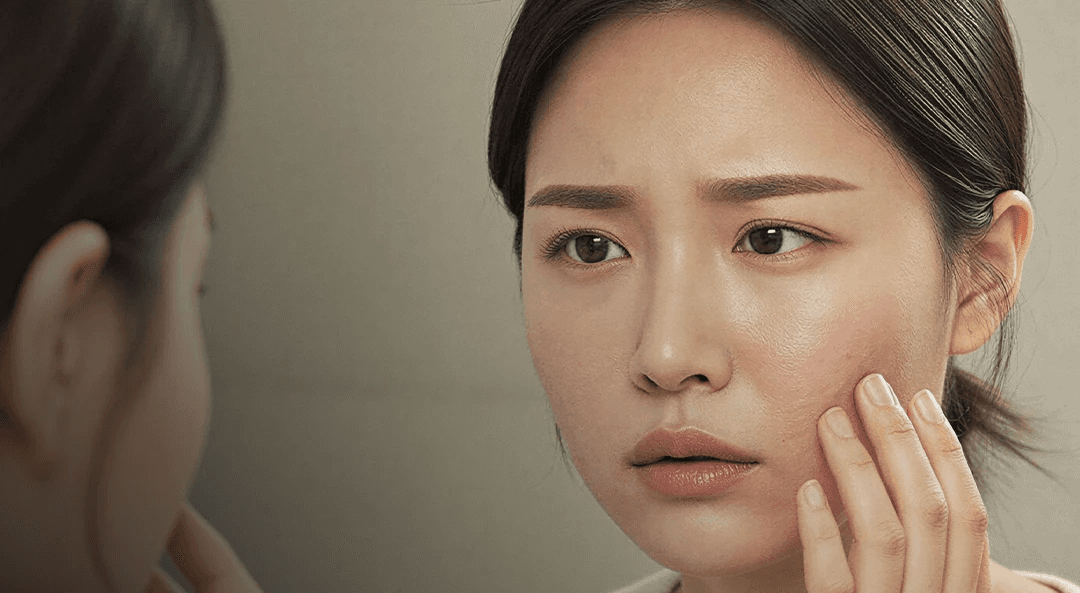
As cold and dry winter weather arrives, the focus of skin concerns naturally begins to shift.
If excess oil and shine were the main worries during summer, winter brings a different set of concerns, along with dryness, many people start to notice that their skin looks rougher than before or that their pores appear more visible.
Especially after washing your face in the morning, or when foundation settles into pores and looks patchy or cracked, it can feel as though your skin condition determines your entire day.
That’s why today, we’d like to approach the topic of “winter pores” from a slightly different perspective, and explore why pores tend to look larger during the winter months.
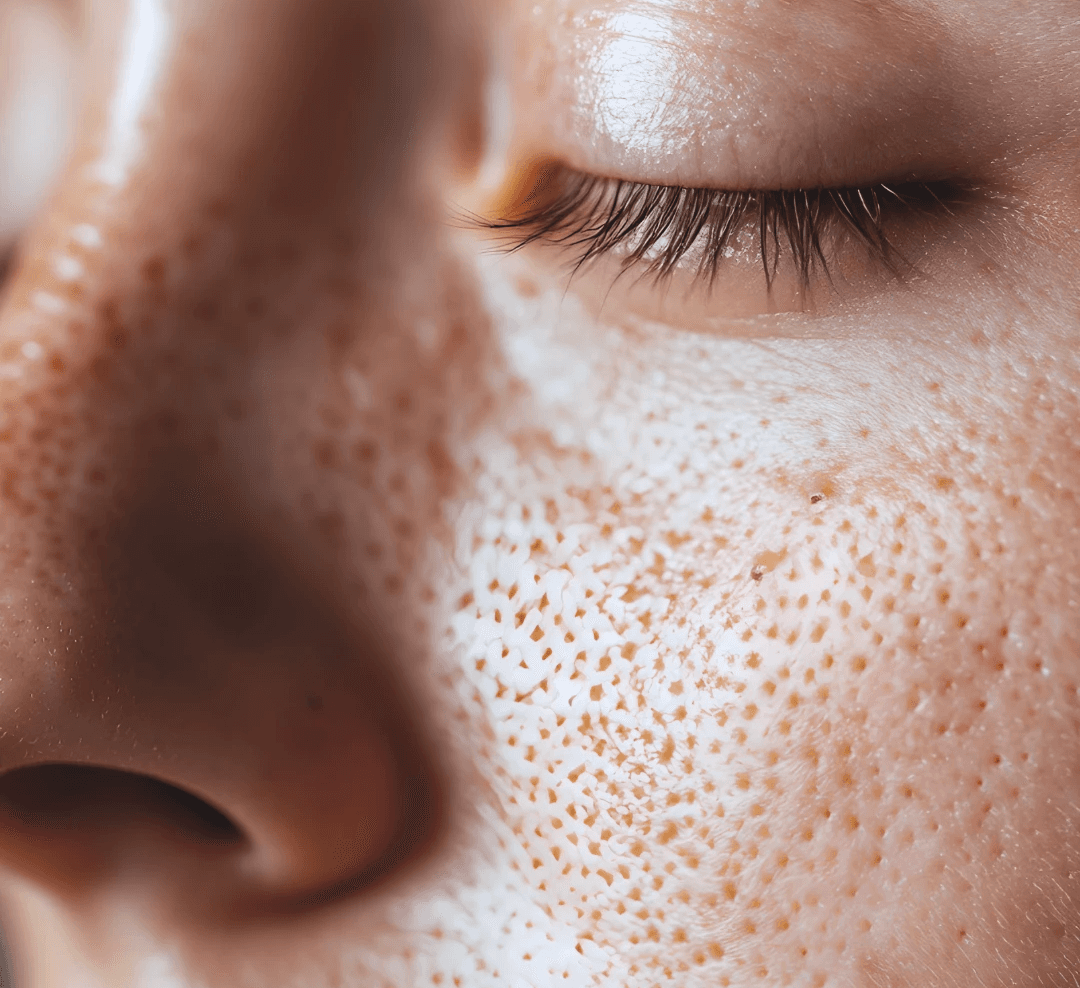
Simply put, pores themselves do not suddenly “expand” just because winter arrives.
Actual enlargement of pore size during winter is not common.
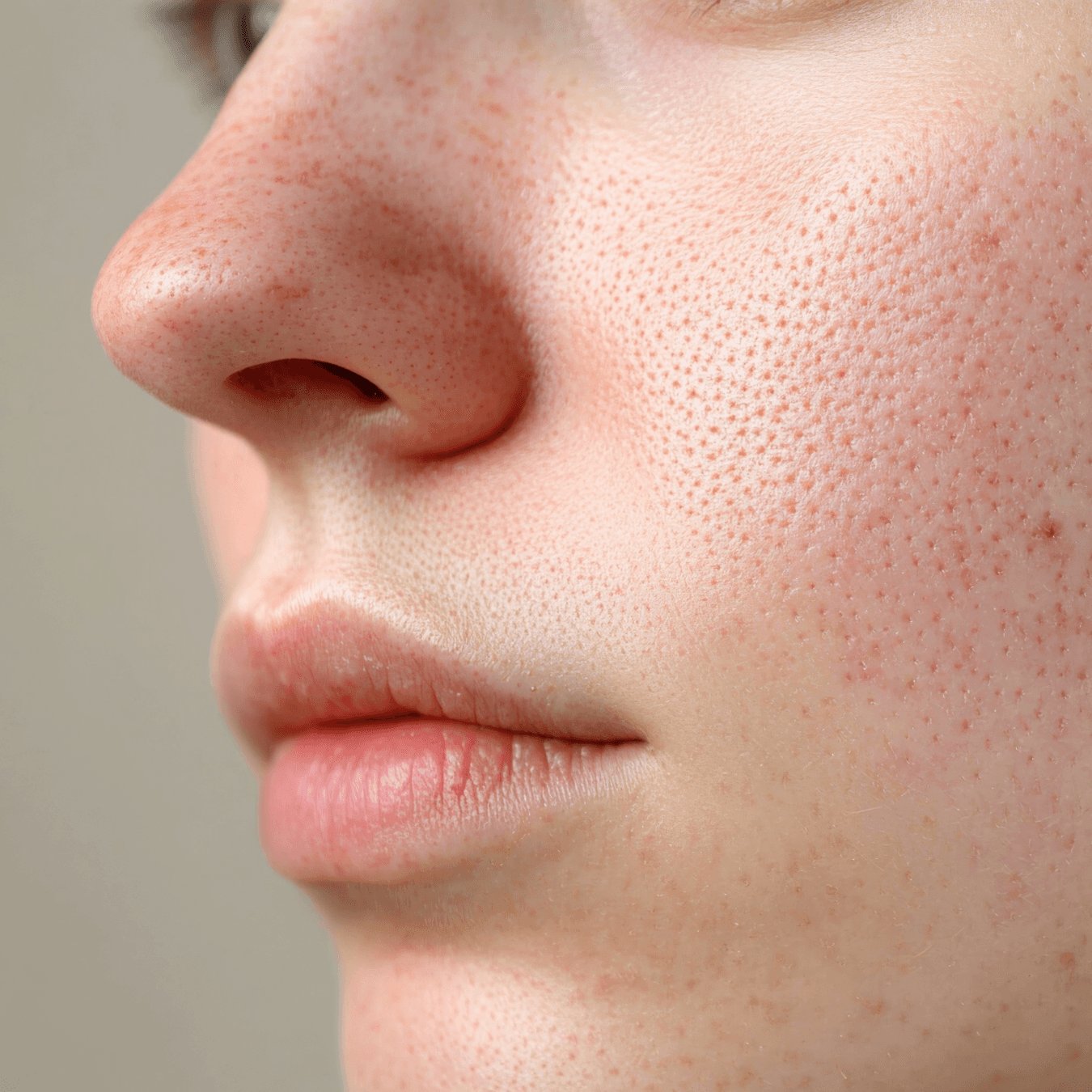
However, many people experience situations where pores become more noticeable.
This happens because changes in the skin’s environment and condition during winter often make pores appear more defined and visible.
Below, we’ll break down three common reasons why pores tend to stand out more in the winter months.
3 Common Reasons Pores Look More Visible in Winter
① Dry Indoor Heating Environments (Low Humidity)
During winter, indoor heating significantly lowers humidity levels, making the air dry.
In these conditions, moisture within the skin evaporates more easily and more quickly than usual.
When the skin is healthy and stable, the stratum corneum (outermost skin layer) acts as a protective barrier, preventing excessive water loss and keeping the skin surface smooth. See The Hidden Cause of Dehydrated Skin That Moisturizers Can’t Fix
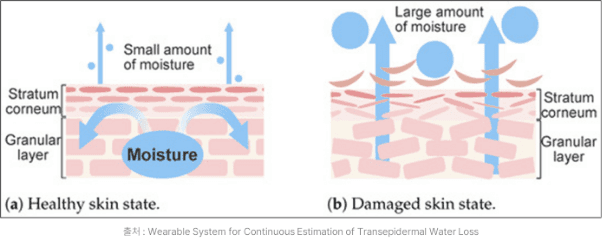
However, repeated exposure to dry environments can lead to rough skin texture and increased moisture loss, resulting in the following symptoms:
Tight, uncomfortable skin shortly after cleansing
Flaking or visible dead skin cells
Pores appearing darker or more shadowed around the edges
For this reason, winter pore concerns are less about pores actually enlarging and more about dry skin making pore outlines appear sharper and more defined.
To use an analogy:
A sponge filled with water looks smooth on the surface, but once it dries, even its smallest holes become clearly visible.
② Reduced Skin Elasticity Changes the Appearance of Pores
As skin becomes dry, elasticity temporarily decreases.
When this happens, pores may appear elongated or slightly pulled downward, making them stand out more.
Common signs include:
Pores looking longer rather than round
Skin feeling thinner or less firm
This occurs because the skin structures that support pore openings temporarily lose strength, causing changes in pore direction and shape.
The key point here is not that collagen is suddenly damaged in winter, but rather that changes in hydration and skin condition weaken structural support, making pores appear more prominent.
③ Weakened Skin Barrier and Imbalanced Oil–Moisture Levels
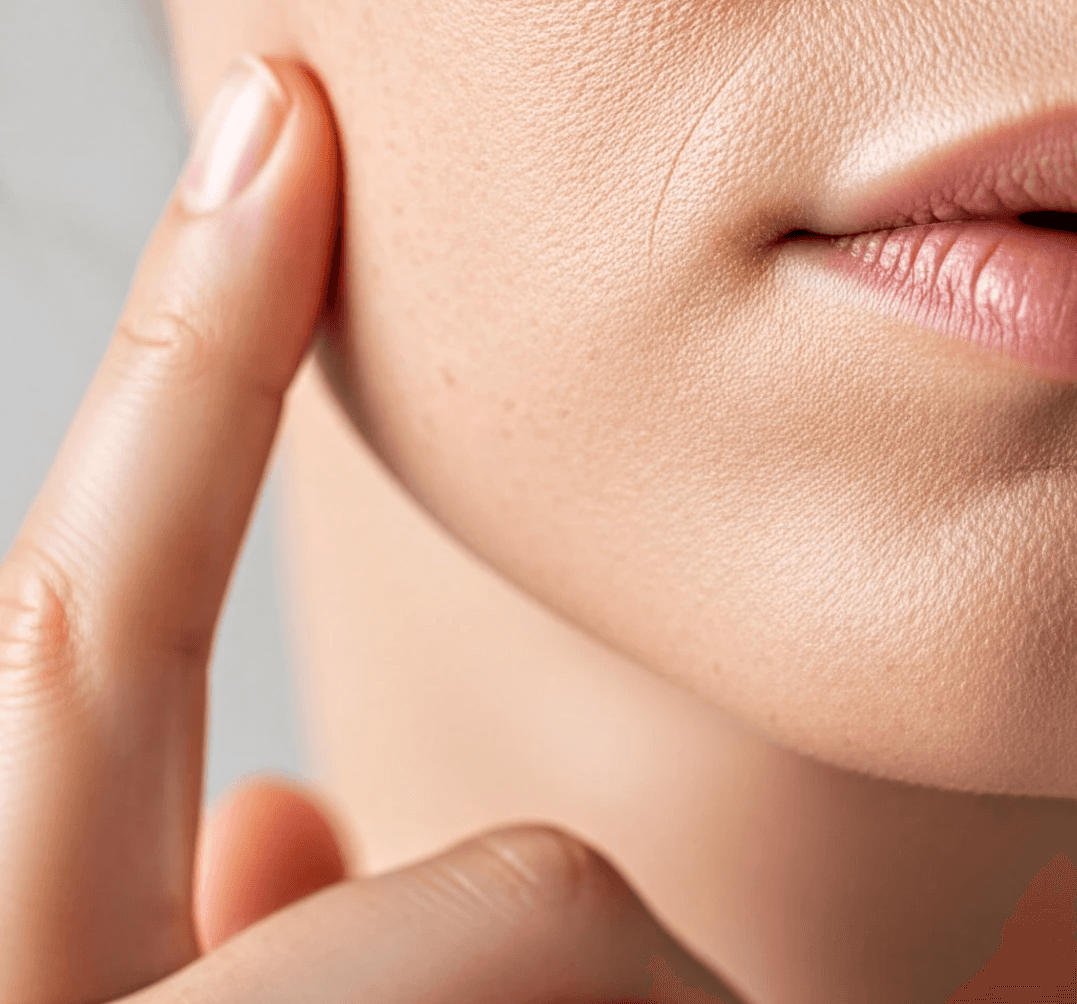
Have you ever finished your makeup in the morning feeling fine, only to notice that your nose area looks unusually shiny later in the day?
In winter, skin may not appear oily on the surface, but often internal moisture is already depleted.
When this happens, the skin lacks hydration while oil remains localized in certain areas. This imbalance can cause pores to stand out more clearly.
You might think, “Is my skin producing more oil?”
But in many cases, it’s actually a disrupted oil–moisture balance, not excess sebum, that makes pores more visible.
Thank you for reading to the end.
FAQ
How to close pores in winter?
To minimize the appearance of pores in winter, keep your skin well-hydrated with moisturizers, use gentle exfoliation, and maintain a consistent skincare routine to support the skin barrier.
Which vitamin deficiency causes open pores?
A deficiency in vitamins A, C, or E can affect skin elasticity and may make pores appear more prominent.
Can drinking more water reduce pore size?
Drinking more water helps keep your skin hydrated, which can improve overall skin texture, but it won’t directly shrink pore size.
Why does my nose look shiny in winter even though my skin feels dry?
Your nose can look shiny in winter because dry skin causes an imbalance between oil and moisture, concentrating sebum in certain areas.
Can stress make pores look larger?
Yes, stress can affect hormone levels and oil production, making pores appear larger; for personalized advice, a consultation at REPIC Clinic can help tailor solutions.
Experience pore treatments at REPIC Clinic!
Book a consultation at REPIC Clinic now!
Tags:
Pores
Share this blog
Related Posts.
Looking for more expert insights? Explore these articles from our team of skincare specialists.

Skincare Recommendations
Back to Menu
Rewrite Your Beauty Story with REPIC Clinic
The more you understand your skin, the better decisions you can make about your daily habits and long-term skincare plan. Knowledge is the first step toward healthy, confident skin.
Ready to discover what your skin truly needs?
Back to Menu
Why Do Pores Look Bigger in Winter?
SKIN WIKI
SKIN WIKI
Do Pores Enlarge in Winter? The Truth Behind the Most Common Misconception
Hello, this is Repic Clinic.
As cold and dry winter weather arrives, the focus of skin concerns naturally begins to shift.
If excess oil and shine were the main worries during summer, winter brings a different set of concerns, along with dryness, many people start to notice that their skin looks rougher than before or that their pores appear more visible.
Especially after washing your face in the morning, or when foundation settles into pores and looks patchy or cracked, it can feel as though your skin condition determines your entire day.
That’s why today, we’d like to approach the topic of “winter pores” from a slightly different perspective, and explore why pores tend to look larger during the winter months.
Simply put, pores themselves do not suddenly “expand” just because winter arrives.
Actual enlargement of pore size during winter is not common.
However, many people experience situations where pores become more noticeable.
This happens because changes in the skin’s environment and condition during winter often make pores appear more defined and visible.
Below, we’ll break down three common reasons why pores tend to stand out more in the winter months.
3 Common Reasons Pores Look More Visible in Winter
① Dry Indoor Heating Environments (Low Humidity)
During winter, indoor heating significantly lowers humidity levels, making the air dry.
In these conditions, moisture within the skin evaporates more easily and more quickly than usual.
When the skin is healthy and stable, the stratum corneum (outermost skin layer) acts as a protective barrier, preventing excessive water loss and keeping the skin surface smooth. See The Hidden Cause of Dehydrated Skin That Moisturizers Can’t Fix
However, repeated exposure to dry environments can lead to rough skin texture and increased moisture loss, resulting in the following symptoms:
Tight, uncomfortable skin shortly after cleansing
Flaking or visible dead skin cells
Pores appearing darker or more shadowed around the edges
For this reason, winter pore concerns are less about pores actually enlarging and more about dry skin making pore outlines appear sharper and more defined.
To use an analogy:
A sponge filled with water looks smooth on the surface, but once it dries, even its smallest holes become clearly visible.
② Reduced Skin Elasticity Changes the Appearance of Pores
As skin becomes dry, elasticity temporarily decreases.
When this happens, pores may appear elongated or slightly pulled downward, making them stand out more.
Common signs include:
Pores looking longer rather than round
Skin feeling thinner or less firm
This occurs because the skin structures that support pore openings temporarily lose strength, causing changes in pore direction and shape.
The key point here is not that collagen is suddenly damaged in winter, but rather that changes in hydration and skin condition weaken structural support, making pores appear more prominent.
③ Weakened Skin Barrier and Imbalanced Oil–Moisture Levels
Have you ever finished your makeup in the morning feeling fine, only to notice that your nose area looks unusually shiny later in the day?
In winter, skin may not appear oily on the surface, but often internal moisture is already depleted.
When this happens, the skin lacks hydration while oil remains localized in certain areas. This imbalance can cause pores to stand out more clearly.
You might think, “Is my skin producing more oil?”
But in many cases, it’s actually a disrupted oil–moisture balance, not excess sebum, that makes pores more visible.
Thank you for reading to the end.
FAQ
How to close pores in winter?
To minimize the appearance of pores in winter, keep your skin well-hydrated with moisturizers, use gentle exfoliation, and maintain a consistent skincare routine to support the skin barrier.
Which vitamin deficiency causes open pores?
A deficiency in vitamins A, C, or E can affect skin elasticity and may make pores appear more prominent.
Can drinking more water reduce pore size?
Drinking more water helps keep your skin hydrated, which can improve overall skin texture, but it won’t directly shrink pore size.
Why does my nose look shiny in winter even though my skin feels dry?
Your nose can look shiny in winter because dry skin causes an imbalance between oil and moisture, concentrating sebum in certain areas.
Can stress make pores look larger?
Yes, stress can affect hormone levels and oil production, making pores appear larger; for personalized advice, a consultation at REPIC Clinic can help tailor solutions.
Experience pore treatments at REPIC Clinic!
Book a consultation at REPIC Clinic now!
Tags:
Pores
Share this blog
Related Posts.
Looking for more expert insights? Explore these articles from our team of skincare specialists.
Skincare Recommendations
Back to Menu
Rewrite Your Beauty Story with REPIC Clinic
The more you understand your skin, the better decisions you can make about your daily habits and long-term skincare plan. Knowledge is the first step toward healthy, confident skin.
Ready to discover what your skin truly needs?
Back to Menu
Why Do Pores Look Bigger in Winter?
SKIN WIKI
SKIN WIKI
Do Pores Enlarge in Winter? The Truth Behind the Most Common Misconception
Hello, this is Repic Clinic.
As cold and dry winter weather arrives, the focus of skin concerns naturally begins to shift.
If excess oil and shine were the main worries during summer, winter brings a different set of concerns, along with dryness, many people start to notice that their skin looks rougher than before or that their pores appear more visible.
Especially after washing your face in the morning, or when foundation settles into pores and looks patchy or cracked, it can feel as though your skin condition determines your entire day.
That’s why today, we’d like to approach the topic of “winter pores” from a slightly different perspective, and explore why pores tend to look larger during the winter months.
Simply put, pores themselves do not suddenly “expand” just because winter arrives.
Actual enlargement of pore size during winter is not common.
However, many people experience situations where pores become more noticeable.
This happens because changes in the skin’s environment and condition during winter often make pores appear more defined and visible.
Below, we’ll break down three common reasons why pores tend to stand out more in the winter months.
3 Common Reasons Pores Look More Visible in Winter
① Dry Indoor Heating Environments (Low Humidity)
During winter, indoor heating significantly lowers humidity levels, making the air dry.
In these conditions, moisture within the skin evaporates more easily and more quickly than usual.
When the skin is healthy and stable, the stratum corneum (outermost skin layer) acts as a protective barrier, preventing excessive water loss and keeping the skin surface smooth. See The Hidden Cause of Dehydrated Skin That Moisturizers Can’t Fix
However, repeated exposure to dry environments can lead to rough skin texture and increased moisture loss, resulting in the following symptoms:
Tight, uncomfortable skin shortly after cleansing
Flaking or visible dead skin cells
Pores appearing darker or more shadowed around the edges
For this reason, winter pore concerns are less about pores actually enlarging and more about dry skin making pore outlines appear sharper and more defined.
To use an analogy:
A sponge filled with water looks smooth on the surface, but once it dries, even its smallest holes become clearly visible.
② Reduced Skin Elasticity Changes the Appearance of Pores
As skin becomes dry, elasticity temporarily decreases.
When this happens, pores may appear elongated or slightly pulled downward, making them stand out more.
Common signs include:
Pores looking longer rather than round
Skin feeling thinner or less firm
This occurs because the skin structures that support pore openings temporarily lose strength, causing changes in pore direction and shape.
The key point here is not that collagen is suddenly damaged in winter, but rather that changes in hydration and skin condition weaken structural support, making pores appear more prominent.
③ Weakened Skin Barrier and Imbalanced Oil–Moisture Levels
Have you ever finished your makeup in the morning feeling fine, only to notice that your nose area looks unusually shiny later in the day?
In winter, skin may not appear oily on the surface, but often internal moisture is already depleted.
When this happens, the skin lacks hydration while oil remains localized in certain areas. This imbalance can cause pores to stand out more clearly.
You might think, “Is my skin producing more oil?”
But in many cases, it’s actually a disrupted oil–moisture balance, not excess sebum, that makes pores more visible.
Thank you for reading to the end.
FAQ
How to close pores in winter?
To minimize the appearance of pores in winter, keep your skin well-hydrated with moisturizers, use gentle exfoliation, and maintain a consistent skincare routine to support the skin barrier.
Which vitamin deficiency causes open pores?
A deficiency in vitamins A, C, or E can affect skin elasticity and may make pores appear more prominent.
Can drinking more water reduce pore size?
Drinking more water helps keep your skin hydrated, which can improve overall skin texture, but it won’t directly shrink pore size.
Why does my nose look shiny in winter even though my skin feels dry?
Your nose can look shiny in winter because dry skin causes an imbalance between oil and moisture, concentrating sebum in certain areas.
Can stress make pores look larger?
Yes, stress can affect hormone levels and oil production, making pores appear larger; for personalized advice, a consultation at REPIC Clinic can help tailor solutions.
Experience pore treatments at REPIC Clinic!
Book a consultation at REPIC Clinic now!
Tags:
Pores
Share this blog
Related Posts.
Looking for more expert insights? Explore these articles from our team of skincare specialists.
Skincare Recommendations
Back to Menu
Rewrite Your Beauty Story with
REPIC Clinic
The more you understand your skin, the better decisions you can make about your daily habits and long-term skincare plan. Knowledge is the first step toward healthy, confident skin.
Ready to discover what your skin truly needs?