Back to Menu
Peptide Skincare Products: Why Do They Often Fail to Deliver Results?
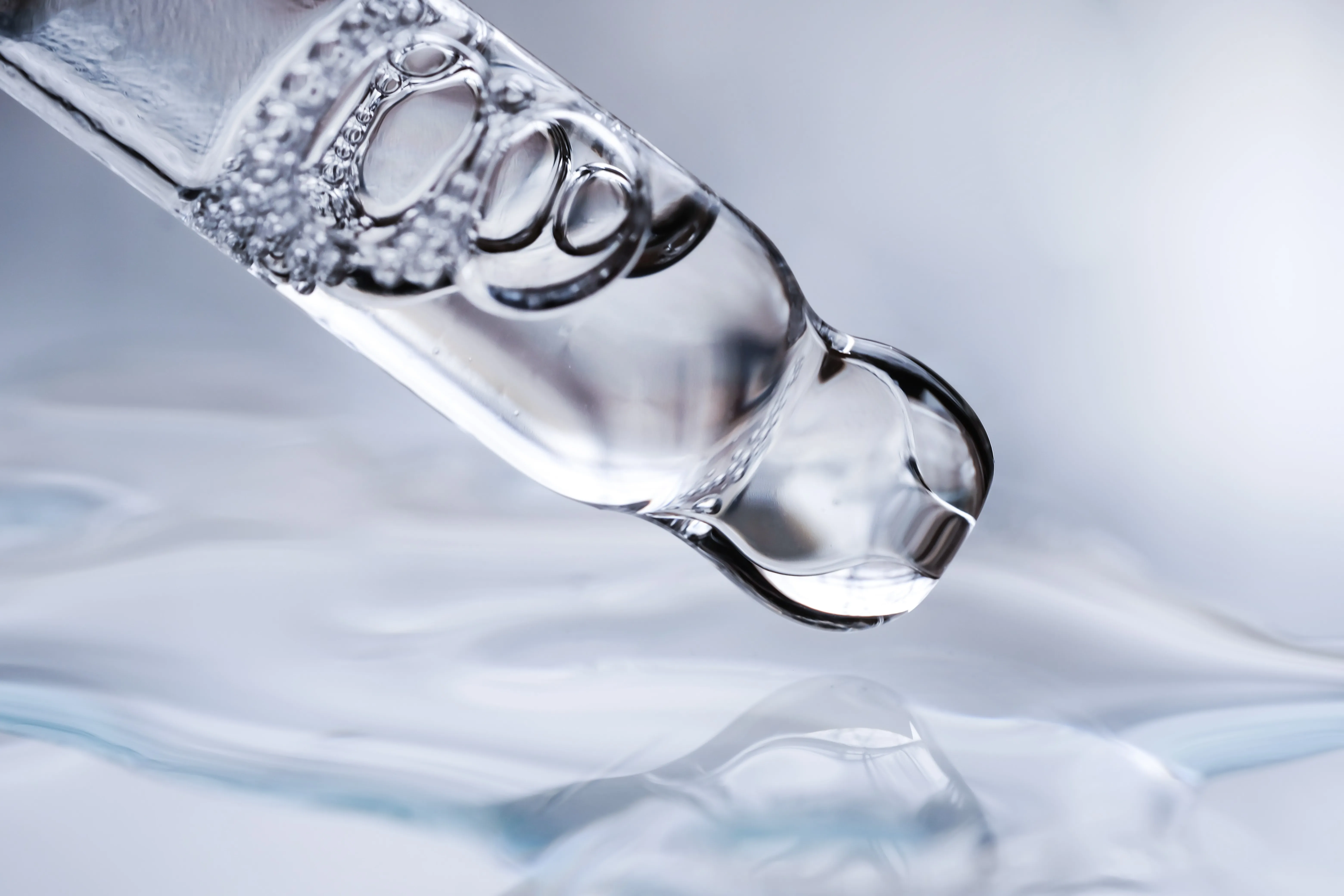
Peptide skincare products are widely used to improve fine lines, skin elasticity, and other visible signs of ageing. However, many formulations fail to deliver noticeable results because peptides naturally have limited ability to penetrate the skin barrier.
At REPIC Clinic in Gangnam, Seoul, patients frequently ask why some peptide products appear effective while others produce little visible improvement. This guide explains the science behind peptide absorption, the technologies that improve skin penetration, and what to look for when choosing a peptide skincare product.
Why Do Many Peptide Skincare Products Fall Short?
Many peptide skincare products promise firmer, smoother, and younger-looking skin. However, their effectiveness depends on one critical factor: whether the active peptides can penetrate the skin barrier and reach the layers where they support collagen production and cellular communication.
Unlike ingredients that work primarily on the skin's surface, peptides must reach deeper tissue to produce meaningful biological effects. Without appropriate formulation and delivery technology, many peptide molecules remain on the surface of the skin, limiting their potential benefits.
Understanding this challenge is the first step in choosing peptide skincare products that are supported by sound formulation rather than marketing claims.
Why Peptide Skin Absorption Is Essential
Skin permeability, a dismissed necessity for anti-wrinkle peptide performance
For peptide skincare products to support collagen production and skin repair, the active ingredients must penetrate beyond the skin's protective barrier and reach the deeper layers where cellular signalling takes place.
Most peptides naturally have low skin permeability, meaning they tend to remain on the skin's surface rather than reaching their intended target. As a result, even products containing high concentrations of peptides may provide limited benefits if they lack an effective delivery system.
Research suggests that technologies such as encapsulation, physical delivery methods, and peptide modification can improve skin penetration and increase the likelihood that active ingredients reach the areas where they are designed to work.
How to Choose an Effective Peptide Skincare Product
Peptides are not all designed for the same purpose. Different peptide families target different skin concerns, from supporting collagen production and improving skin elasticity to softening the appearance of expression lines. Understanding the role of each peptide type can help you choose products that better match your skincare goals.
1. Encapsulation & Complexation Technologies
Encapsulation and complexation technologies surround peptide molecules with protective structures that help preserve their stability and improve delivery through the skin barrier.
These technologies can:
Protect peptides from degradation
Improve ingredient stability
Increase the likelihood of deeper skin penetration
Think of encapsulation as a protective carrier that helps transport peptides to the areas where they are intended to work.
2. Physical Delivery Methods
Some professional treatments improve peptide absorption by creating temporary pathways through the skin.
Examples include:
Microneedling (MTS)
Iontophoresis
LDM-assisted treatments
By temporarily improving skin permeability, these techniques may help peptides reach deeper layers more effectively than topical application alone.
3. Chemical Modification
Some peptides are chemically engineered to improve their ability to penetrate the skin while maintaining their biological activity.
These modified peptides are designed to:
Improve skin permeability
Enhance absorption
Increase formulation stability
Products containing structurally modified peptides may achieve more effective delivery than conventional peptide formulations.
What Should You Look for in a Peptide Skincare Product?
Choosing a peptide skincare product involves more than checking whether peptides appear on the ingredient list. The formulation, delivery technology, and quality of the active ingredients all influence whether peptides can penetrate the skin and perform as intended.
Before selecting a peptide skincare product, consider whether it:
Uses encapsulation or complexation technology to improve ingredient stability and skin penetration.
Is formulated to work with professional delivery methods, where appropriate.
Contains chemically modified peptides designed to enhance absorption.
Includes high-quality peptide ingredients supported by formulation science.
Understanding how a product is designed to deliver peptides is just as important as understanding which type of peptide it contains. Different peptides perform different biological functions, making it helpful to understand the main categories used in modern skincare.
Common Types of Peptides Used in Skincare
Once you understand the different types of peptides, the next step is evaluating how a product is formulated. The effectiveness of a peptide skincare product depends not only on the ingredients it contains but also on how well those ingredients are protected, stabilised, and delivered into the skin. When comparing products, consider the following factors.
1. Signal Peptides
Signal peptides help regulate communication between skin cells by encouraging processes involved in collagen production and skin repair. They are among the most widely used peptides in anti-ageing skincare because they support firmer, smoother, and healthier-looking skin over time.
Potential benefits include:
Supporting dermal matrix regeneration
Improving skin elasticity
Softening fine lines and wrinkles
Helping reduce pigmentation associated with photoageing
When combined with ingredients such as retinoids or antioxidants, signal peptides may complement a comprehensive anti-ageing skincare routine.
Common examples include:
Palmitoyl Tripeptide-1
Palmitoyl Tetrapeptide-7
Copper Tripeptide-1
Acetyl Hexapeptide-8
2. Neurotransmitter-Inhibiting Peptides
Neurotransmitter-inhibiting peptides are designed to reduce the muscle contractions that contribute to expression lines. Although they do not work in the same way as injectable treatments, they are commonly included in skincare products formulated to soften the appearance of dynamic wrinkles.
Potential benefits include:
Reducing the appearance of expression lines
Supporting smoother-looking skin
Complementing broader anti-ageing skincare routines
How to Evaluate a Peptide Skincare Formula
Look for formulations that incorporate technologies designed to improve peptide delivery, such as:
Encapsulation
Complexation
Physical delivery systems
These approaches help improve peptide stability and increase the likelihood of the active ingredients reaching their intended target within the skin.
Are the Peptide Ingredients High Quality?
High-quality peptide ingredients are generally more stable and consistent throughout the product's shelf life. Well-formulated peptides may:
Contain fewer impurities
Degrade more slowly
Maintain their biological activity for longer
How Is the Formula Designed to Reach the Skin?
An effective peptide skincare product should combine appropriate peptide ingredients with formulation technologies that support skin penetration and ingredient stability. Evaluating the complete formulation rather than focusing on peptide concentration alone provides a better indication of the product's potential effectiveness.
Example of a Peptide Skincare Formula
To illustrate how these formulation principles can be applied in practice, the following product is provided as an educational example. It demonstrates several of the formulation characteristics discussed throughout this guide and should not be interpreted as a universal recommendation. Always choose skincare products based on your skin type, concerns, and professional advice where appropriate.
Purcell 82% High-Dose Peptide Collagen Ampoule (20 ml)
This ampoule contains a high concentration of Acetyl Hexapeptide-8, a peptide known for:
Inhibiting muscle contraction
Helping reduce expression lines
It uses a low-molecular-weight formula, designed for rapid skin absorption.
We’ll be sharing a hands-on review after actual use in a future post.
The Limitations of Skincare Alone
Because topical cosmetics have inherent limitations, clinics often use treatments that deliver active ingredients directly into the skin, such as:
MTS (Microneedle Therapy System)
Exosome therapy
Botulinum toxin (Botox)
Advanced regenerative devices (e.g., Cellrdm, Lituo, Collaum)
Professional treatments and well-formulated skincare are often complementary rather than competing approaches. Clinical procedures may help create the initial improvement, while an appropriate home skincare routine supports skin health and helps maintain treatment results over time.
What to Know About Peptide Skincare
Peptide skincare products can play an important role in supporting skin health, improving the appearance of fine lines, and maintaining skin elasticity. However, their effectiveness depends on more than simply including peptides in the ingredient list. Skin penetration, formulation technology, ingredient quality, and selecting the right peptide for your skin concerns all influence the final results.
While well-formulated skincare products can support long-term skin maintenance, they are not always enough to address more advanced concerns such as significant skin laxity, deep wrinkles, or extensive photoageing. In these situations, professional skin treatments and a personalised skincare plan may provide more comprehensive results.
At REPIC Clinic in Gangnam, Seoul, treatment recommendations are based on a detailed assessment of your skin condition rather than a one-size-fits-all approach. Advanced skin analysis helps determine whether topical peptide skincare is appropriate on its own or whether it should be combined with professional aesthetic treatments to achieve your goals.
If you are considering peptide skincare or would like personalised guidance on choosing products that suit your skin, a consultation with a qualified medical professional can help you make informed decisions based on your individual skin needs.
Schedule a consultation at REPIC Clinic to receive an evidence-based treatment and skincare plan tailored to your skin.
FAQ: Peptide Skincare and Skin Absorption
Do peptide serums actually penetrate the skin effectively?
Most peptide serums have limited ability to penetrate the skin on their own. Without advanced delivery technologies such as encapsulation, microneedling, or other penetration-enhancing methods, many peptides may not reach the deeper skin layers where they stimulate collagen production and cellular repair.
Why do many peptide skincare products fail to show results?
The most common reason is poor skin penetration. Peptides need to reach the deeper layers of the skin to support collagen synthesis and cellular communication. If they remain on the skin's surface because of low permeability or ineffective formulation, the visible benefits may be limited regardless of the peptide concentration.
How can peptide absorption be improved?
Peptide absorption can be enhanced using specialised delivery technologies, including:
Encapsulation or complexation technologies, which protect peptides and help transport them deeper into the skin.
Physical delivery methods, such as microneedling or device-assisted treatments that create temporary micro-channels for improved absorption.
Chemical modification, where peptides are engineered to improve stability and skin permeability.
Products that combine high-quality peptide ingredients with effective delivery systems are generally more likely to achieve meaningful penetration.
Are microneedling treatments better than peptide creams?
Microneedling and peptide skincare serve different purposes but can complement one another. Microneedling creates controlled micro-channels that allow active ingredients to penetrate more effectively than topical application alone. When performed by qualified medical professionals, combining microneedling with appropriate peptide formulations may improve ingredient delivery and treatment outcomes.
What should you look for when choosing a peptide skincare product?
When selecting a peptide skincare product, consider more than just the ingredient list. Look for products that use proven penetration-enhancing technologies, contain high-quality peptide ingredients, and are formulated for stability and effective skin absorption. If you are unsure which formulation best suits your skin concerns, a personalised skin assessment can help determine the most appropriate skincare approach, particularly if you are combining topical products with professional skin treatments.
Get honest insights about your skin!
Book a consultation at REPIC Clinic now!
Tags:
Share this blog
Related Posts.
Looking for more expert insights? Explore these articles from our team of skincare specialists.

Skincare Recommendations

Back to Menu
Rewrite Your Beauty Story with REPIC Clinic
The more you understand your skin, the better decisions you can make about your daily habits and long-term skincare plan. Knowledge is the first step toward healthy, confident skin.
Ready to discover what your skin truly needs?
Back to Menu
Peptide Skincare Products: Why Do They Often Fail to Deliver Results?
Peptide skincare products are widely used to improve fine lines, skin elasticity, and other visible signs of ageing. However, many formulations fail to deliver noticeable results because peptides naturally have limited ability to penetrate the skin barrier.
At REPIC Clinic in Gangnam, Seoul, patients frequently ask why some peptide products appear effective while others produce little visible improvement. This guide explains the science behind peptide absorption, the technologies that improve skin penetration, and what to look for when choosing a peptide skincare product.
Why Do Many Peptide Skincare Products Fall Short?
Many peptide skincare products promise firmer, smoother, and younger-looking skin. However, their effectiveness depends on one critical factor: whether the active peptides can penetrate the skin barrier and reach the layers where they support collagen production and cellular communication.
Unlike ingredients that work primarily on the skin's surface, peptides must reach deeper tissue to produce meaningful biological effects. Without appropriate formulation and delivery technology, many peptide molecules remain on the surface of the skin, limiting their potential benefits.
Understanding this challenge is the first step in choosing peptide skincare products that are supported by sound formulation rather than marketing claims.
Why Peptide Skin Absorption Is Essential
Skin permeability, a dismissed necessity for anti-wrinkle peptide performance
For peptide skincare products to support collagen production and skin repair, the active ingredients must penetrate beyond the skin's protective barrier and reach the deeper layers where cellular signalling takes place.
Most peptides naturally have low skin permeability, meaning they tend to remain on the skin's surface rather than reaching their intended target. As a result, even products containing high concentrations of peptides may provide limited benefits if they lack an effective delivery system.
Research suggests that technologies such as encapsulation, physical delivery methods, and peptide modification can improve skin penetration and increase the likelihood that active ingredients reach the areas where they are designed to work.
How to Choose an Effective Peptide Skincare Product
Peptides are not all designed for the same purpose. Different peptide families target different skin concerns, from supporting collagen production and improving skin elasticity to softening the appearance of expression lines. Understanding the role of each peptide type can help you choose products that better match your skincare goals.
1. Encapsulation & Complexation Technologies
Encapsulation and complexation technologies surround peptide molecules with protective structures that help preserve their stability and improve delivery through the skin barrier.
These technologies can:
Protect peptides from degradation
Improve ingredient stability
Increase the likelihood of deeper skin penetration
Think of encapsulation as a protective carrier that helps transport peptides to the areas where they are intended to work.
2. Physical Delivery Methods
Some professional treatments improve peptide absorption by creating temporary pathways through the skin.
Examples include:
Microneedling (MTS)
Iontophoresis
LDM-assisted treatments
By temporarily improving skin permeability, these techniques may help peptides reach deeper layers more effectively than topical application alone.
3. Chemical Modification
Some peptides are chemically engineered to improve their ability to penetrate the skin while maintaining their biological activity.
These modified peptides are designed to:
Improve skin permeability
Enhance absorption
Increase formulation stability
Products containing structurally modified peptides may achieve more effective delivery than conventional peptide formulations.
What Should You Look for in a Peptide Skincare Product?
Choosing a peptide skincare product involves more than checking whether peptides appear on the ingredient list. The formulation, delivery technology, and quality of the active ingredients all influence whether peptides can penetrate the skin and perform as intended.
Before selecting a peptide skincare product, consider whether it:
Uses encapsulation or complexation technology to improve ingredient stability and skin penetration.
Is formulated to work with professional delivery methods, where appropriate.
Contains chemically modified peptides designed to enhance absorption.
Includes high-quality peptide ingredients supported by formulation science.
Understanding how a product is designed to deliver peptides is just as important as understanding which type of peptide it contains. Different peptides perform different biological functions, making it helpful to understand the main categories used in modern skincare.
Common Types of Peptides Used in Skincare
Once you understand the different types of peptides, the next step is evaluating how a product is formulated. The effectiveness of a peptide skincare product depends not only on the ingredients it contains but also on how well those ingredients are protected, stabilised, and delivered into the skin. When comparing products, consider the following factors.
1. Signal Peptides
Signal peptides help regulate communication between skin cells by encouraging processes involved in collagen production and skin repair. They are among the most widely used peptides in anti-ageing skincare because they support firmer, smoother, and healthier-looking skin over time.
Potential benefits include:
Supporting dermal matrix regeneration
Improving skin elasticity
Softening fine lines and wrinkles
Helping reduce pigmentation associated with photoageing
When combined with ingredients such as retinoids or antioxidants, signal peptides may complement a comprehensive anti-ageing skincare routine.
Common examples include:
Palmitoyl Tripeptide-1
Palmitoyl Tetrapeptide-7
Copper Tripeptide-1
Acetyl Hexapeptide-8
2. Neurotransmitter-Inhibiting Peptides
Neurotransmitter-inhibiting peptides are designed to reduce the muscle contractions that contribute to expression lines. Although they do not work in the same way as injectable treatments, they are commonly included in skincare products formulated to soften the appearance of dynamic wrinkles.
Potential benefits include:
Reducing the appearance of expression lines
Supporting smoother-looking skin
Complementing broader anti-ageing skincare routines
How to Evaluate a Peptide Skincare Formula
Look for formulations that incorporate technologies designed to improve peptide delivery, such as:
Encapsulation
Complexation
Physical delivery systems
These approaches help improve peptide stability and increase the likelihood of the active ingredients reaching their intended target within the skin.
Are the Peptide Ingredients High Quality?
High-quality peptide ingredients are generally more stable and consistent throughout the product's shelf life. Well-formulated peptides may:
Contain fewer impurities
Degrade more slowly
Maintain their biological activity for longer
How Is the Formula Designed to Reach the Skin?
An effective peptide skincare product should combine appropriate peptide ingredients with formulation technologies that support skin penetration and ingredient stability. Evaluating the complete formulation rather than focusing on peptide concentration alone provides a better indication of the product's potential effectiveness.
Example of a Peptide Skincare Formula
To illustrate how these formulation principles can be applied in practice, the following product is provided as an educational example. It demonstrates several of the formulation characteristics discussed throughout this guide and should not be interpreted as a universal recommendation. Always choose skincare products based on your skin type, concerns, and professional advice where appropriate.
Purcell 82% High-Dose Peptide Collagen Ampoule (20 ml)
This ampoule contains a high concentration of Acetyl Hexapeptide-8, a peptide known for:
Inhibiting muscle contraction
Helping reduce expression lines
It uses a low-molecular-weight formula, designed for rapid skin absorption.
We’ll be sharing a hands-on review after actual use in a future post.
The Limitations of Skincare Alone
Because topical cosmetics have inherent limitations, clinics often use treatments that deliver active ingredients directly into the skin, such as:
MTS (Microneedle Therapy System)
Exosome therapy
Botulinum toxin (Botox)
Advanced regenerative devices (e.g., Cellrdm, Lituo, Collaum)
Professional treatments and well-formulated skincare are often complementary rather than competing approaches. Clinical procedures may help create the initial improvement, while an appropriate home skincare routine supports skin health and helps maintain treatment results over time.
What to Know About Peptide Skincare
Peptide skincare products can play an important role in supporting skin health, improving the appearance of fine lines, and maintaining skin elasticity. However, their effectiveness depends on more than simply including peptides in the ingredient list. Skin penetration, formulation technology, ingredient quality, and selecting the right peptide for your skin concerns all influence the final results.
While well-formulated skincare products can support long-term skin maintenance, they are not always enough to address more advanced concerns such as significant skin laxity, deep wrinkles, or extensive photoageing. In these situations, professional skin treatments and a personalised skincare plan may provide more comprehensive results.
At REPIC Clinic in Gangnam, Seoul, treatment recommendations are based on a detailed assessment of your skin condition rather than a one-size-fits-all approach. Advanced skin analysis helps determine whether topical peptide skincare is appropriate on its own or whether it should be combined with professional aesthetic treatments to achieve your goals.
If you are considering peptide skincare or would like personalised guidance on choosing products that suit your skin, a consultation with a qualified medical professional can help you make informed decisions based on your individual skin needs.
Schedule a consultation at REPIC Clinic to receive an evidence-based treatment and skincare plan tailored to your skin.
FAQ: Peptide Skincare and Skin Absorption
Do peptide serums actually penetrate the skin effectively?
Most peptide serums have limited ability to penetrate the skin on their own. Without advanced delivery technologies such as encapsulation, microneedling, or other penetration-enhancing methods, many peptides may not reach the deeper skin layers where they stimulate collagen production and cellular repair.
Why do many peptide skincare products fail to show results?
The most common reason is poor skin penetration. Peptides need to reach the deeper layers of the skin to support collagen synthesis and cellular communication. If they remain on the skin's surface because of low permeability or ineffective formulation, the visible benefits may be limited regardless of the peptide concentration.
How can peptide absorption be improved?
Peptide absorption can be enhanced using specialised delivery technologies, including:
Encapsulation or complexation technologies, which protect peptides and help transport them deeper into the skin.
Physical delivery methods, such as microneedling or device-assisted treatments that create temporary micro-channels for improved absorption.
Chemical modification, where peptides are engineered to improve stability and skin permeability.
Products that combine high-quality peptide ingredients with effective delivery systems are generally more likely to achieve meaningful penetration.
Are microneedling treatments better than peptide creams?
Microneedling and peptide skincare serve different purposes but can complement one another. Microneedling creates controlled micro-channels that allow active ingredients to penetrate more effectively than topical application alone. When performed by qualified medical professionals, combining microneedling with appropriate peptide formulations may improve ingredient delivery and treatment outcomes.
What should you look for when choosing a peptide skincare product?
When selecting a peptide skincare product, consider more than just the ingredient list. Look for products that use proven penetration-enhancing technologies, contain high-quality peptide ingredients, and are formulated for stability and effective skin absorption. If you are unsure which formulation best suits your skin concerns, a personalised skin assessment can help determine the most appropriate skincare approach, particularly if you are combining topical products with professional skin treatments.
Get honest insights about your skin!
Book a consultation at REPIC Clinic now!
Tags:
Share this blog
Related Posts.
Looking for more expert insights? Explore these articles from our team of skincare specialists.
Skincare Recommendations
Back to Menu
Rewrite Your Beauty Story with REPIC Clinic
The more you understand your skin, the better decisions you can make about your daily habits and long-term skincare plan. Knowledge is the first step toward healthy, confident skin.
Ready to discover what your skin truly needs?
Back to Menu
Peptide Skincare Products: Why Do They Often Fail to Deliver Results?
Peptide skincare products are widely used to improve fine lines, skin elasticity, and other visible signs of ageing. However, many formulations fail to deliver noticeable results because peptides naturally have limited ability to penetrate the skin barrier.
At REPIC Clinic in Gangnam, Seoul, patients frequently ask why some peptide products appear effective while others produce little visible improvement. This guide explains the science behind peptide absorption, the technologies that improve skin penetration, and what to look for when choosing a peptide skincare product.
Why Do Many Peptide Skincare Products Fall Short?
Many peptide skincare products promise firmer, smoother, and younger-looking skin. However, their effectiveness depends on one critical factor: whether the active peptides can penetrate the skin barrier and reach the layers where they support collagen production and cellular communication.
Unlike ingredients that work primarily on the skin's surface, peptides must reach deeper tissue to produce meaningful biological effects. Without appropriate formulation and delivery technology, many peptide molecules remain on the surface of the skin, limiting their potential benefits.
Understanding this challenge is the first step in choosing peptide skincare products that are supported by sound formulation rather than marketing claims.
Why Peptide Skin Absorption Is Essential
Skin permeability, a dismissed necessity for anti-wrinkle peptide performance
For peptide skincare products to support collagen production and skin repair, the active ingredients must penetrate beyond the skin's protective barrier and reach the deeper layers where cellular signalling takes place.
Most peptides naturally have low skin permeability, meaning they tend to remain on the skin's surface rather than reaching their intended target. As a result, even products containing high concentrations of peptides may provide limited benefits if they lack an effective delivery system.
Research suggests that technologies such as encapsulation, physical delivery methods, and peptide modification can improve skin penetration and increase the likelihood that active ingredients reach the areas where they are designed to work.
How to Choose an Effective Peptide Skincare Product
Peptides are not all designed for the same purpose. Different peptide families target different skin concerns, from supporting collagen production and improving skin elasticity to softening the appearance of expression lines. Understanding the role of each peptide type can help you choose products that better match your skincare goals.
1. Encapsulation & Complexation Technologies
Encapsulation and complexation technologies surround peptide molecules with protective structures that help preserve their stability and improve delivery through the skin barrier.
These technologies can:
Protect peptides from degradation
Improve ingredient stability
Increase the likelihood of deeper skin penetration
Think of encapsulation as a protective carrier that helps transport peptides to the areas where they are intended to work.
2. Physical Delivery Methods
Some professional treatments improve peptide absorption by creating temporary pathways through the skin.
Examples include:
Microneedling (MTS)
Iontophoresis
LDM-assisted treatments
By temporarily improving skin permeability, these techniques may help peptides reach deeper layers more effectively than topical application alone.
3. Chemical Modification
Some peptides are chemically engineered to improve their ability to penetrate the skin while maintaining their biological activity.
These modified peptides are designed to:
Improve skin permeability
Enhance absorption
Increase formulation stability
Products containing structurally modified peptides may achieve more effective delivery than conventional peptide formulations.
What Should You Look for in a Peptide Skincare Product?
Choosing a peptide skincare product involves more than checking whether peptides appear on the ingredient list. The formulation, delivery technology, and quality of the active ingredients all influence whether peptides can penetrate the skin and perform as intended.
Before selecting a peptide skincare product, consider whether it:
Uses encapsulation or complexation technology to improve ingredient stability and skin penetration.
Is formulated to work with professional delivery methods, where appropriate.
Contains chemically modified peptides designed to enhance absorption.
Includes high-quality peptide ingredients supported by formulation science.
Understanding how a product is designed to deliver peptides is just as important as understanding which type of peptide it contains. Different peptides perform different biological functions, making it helpful to understand the main categories used in modern skincare.
Common Types of Peptides Used in Skincare
Once you understand the different types of peptides, the next step is evaluating how a product is formulated. The effectiveness of a peptide skincare product depends not only on the ingredients it contains but also on how well those ingredients are protected, stabilised, and delivered into the skin. When comparing products, consider the following factors.
1. Signal Peptides
Signal peptides help regulate communication between skin cells by encouraging processes involved in collagen production and skin repair. They are among the most widely used peptides in anti-ageing skincare because they support firmer, smoother, and healthier-looking skin over time.
Potential benefits include:
Supporting dermal matrix regeneration
Improving skin elasticity
Softening fine lines and wrinkles
Helping reduce pigmentation associated with photoageing
When combined with ingredients such as retinoids or antioxidants, signal peptides may complement a comprehensive anti-ageing skincare routine.
Common examples include:
Palmitoyl Tripeptide-1
Palmitoyl Tetrapeptide-7
Copper Tripeptide-1
Acetyl Hexapeptide-8
2. Neurotransmitter-Inhibiting Peptides
Neurotransmitter-inhibiting peptides are designed to reduce the muscle contractions that contribute to expression lines. Although they do not work in the same way as injectable treatments, they are commonly included in skincare products formulated to soften the appearance of dynamic wrinkles.
Potential benefits include:
Reducing the appearance of expression lines
Supporting smoother-looking skin
Complementing broader anti-ageing skincare routines
How to Evaluate a Peptide Skincare Formula
Look for formulations that incorporate technologies designed to improve peptide delivery, such as:
Encapsulation
Complexation
Physical delivery systems
These approaches help improve peptide stability and increase the likelihood of the active ingredients reaching their intended target within the skin.
Are the Peptide Ingredients High Quality?
High-quality peptide ingredients are generally more stable and consistent throughout the product's shelf life. Well-formulated peptides may:
Contain fewer impurities
Degrade more slowly
Maintain their biological activity for longer
How Is the Formula Designed to Reach the Skin?
An effective peptide skincare product should combine appropriate peptide ingredients with formulation technologies that support skin penetration and ingredient stability. Evaluating the complete formulation rather than focusing on peptide concentration alone provides a better indication of the product's potential effectiveness.
Example of a Peptide Skincare Formula
To illustrate how these formulation principles can be applied in practice, the following product is provided as an educational example. It demonstrates several of the formulation characteristics discussed throughout this guide and should not be interpreted as a universal recommendation. Always choose skincare products based on your skin type, concerns, and professional advice where appropriate.
Purcell 82% High-Dose Peptide Collagen Ampoule (20 ml)
This ampoule contains a high concentration of Acetyl Hexapeptide-8, a peptide known for:
Inhibiting muscle contraction
Helping reduce expression lines
It uses a low-molecular-weight formula, designed for rapid skin absorption.
We’ll be sharing a hands-on review after actual use in a future post.
The Limitations of Skincare Alone
Because topical cosmetics have inherent limitations, clinics often use treatments that deliver active ingredients directly into the skin, such as:
MTS (Microneedle Therapy System)
Exosome therapy
Botulinum toxin (Botox)
Advanced regenerative devices (e.g., Cellrdm, Lituo, Collaum)
Professional treatments and well-formulated skincare are often complementary rather than competing approaches. Clinical procedures may help create the initial improvement, while an appropriate home skincare routine supports skin health and helps maintain treatment results over time.
What to Know About Peptide Skincare
Peptide skincare products can play an important role in supporting skin health, improving the appearance of fine lines, and maintaining skin elasticity. However, their effectiveness depends on more than simply including peptides in the ingredient list. Skin penetration, formulation technology, ingredient quality, and selecting the right peptide for your skin concerns all influence the final results.
While well-formulated skincare products can support long-term skin maintenance, they are not always enough to address more advanced concerns such as significant skin laxity, deep wrinkles, or extensive photoageing. In these situations, professional skin treatments and a personalised skincare plan may provide more comprehensive results.
At REPIC Clinic in Gangnam, Seoul, treatment recommendations are based on a detailed assessment of your skin condition rather than a one-size-fits-all approach. Advanced skin analysis helps determine whether topical peptide skincare is appropriate on its own or whether it should be combined with professional aesthetic treatments to achieve your goals.
If you are considering peptide skincare or would like personalised guidance on choosing products that suit your skin, a consultation with a qualified medical professional can help you make informed decisions based on your individual skin needs.
Schedule a consultation at REPIC Clinic to receive an evidence-based treatment and skincare plan tailored to your skin.
FAQ: Peptide Skincare and Skin Absorption
Do peptide serums actually penetrate the skin effectively?
Most peptide serums have limited ability to penetrate the skin on their own. Without advanced delivery technologies such as encapsulation, microneedling, or other penetration-enhancing methods, many peptides may not reach the deeper skin layers where they stimulate collagen production and cellular repair.
Why do many peptide skincare products fail to show results?
The most common reason is poor skin penetration. Peptides need to reach the deeper layers of the skin to support collagen synthesis and cellular communication. If they remain on the skin's surface because of low permeability or ineffective formulation, the visible benefits may be limited regardless of the peptide concentration.
How can peptide absorption be improved?
Peptide absorption can be enhanced using specialised delivery technologies, including:
Encapsulation or complexation technologies, which protect peptides and help transport them deeper into the skin.
Physical delivery methods, such as microneedling or device-assisted treatments that create temporary micro-channels for improved absorption.
Chemical modification, where peptides are engineered to improve stability and skin permeability.
Products that combine high-quality peptide ingredients with effective delivery systems are generally more likely to achieve meaningful penetration.
Are microneedling treatments better than peptide creams?
Microneedling and peptide skincare serve different purposes but can complement one another. Microneedling creates controlled micro-channels that allow active ingredients to penetrate more effectively than topical application alone. When performed by qualified medical professionals, combining microneedling with appropriate peptide formulations may improve ingredient delivery and treatment outcomes.
What should you look for when choosing a peptide skincare product?
When selecting a peptide skincare product, consider more than just the ingredient list. Look for products that use proven penetration-enhancing technologies, contain high-quality peptide ingredients, and are formulated for stability and effective skin absorption. If you are unsure which formulation best suits your skin concerns, a personalised skin assessment can help determine the most appropriate skincare approach, particularly if you are combining topical products with professional skin treatments.
Get honest insights about your skin!
Book a consultation at REPIC Clinic now!
Tags:
Share this blog
Related Posts.
Looking for more expert insights? Explore these articles from our team of skincare specialists.
Skincare Recommendations
Back to Menu
Rewrite Your Beauty Story with
REPIC Clinic
The more you understand your skin, the better decisions you can make about your daily habits and long-term skincare plan. Knowledge is the first step toward healthy, confident skin.
Ready to discover what your skin truly needs?