Back to Menu
Dark Circle Treatment Guide: Best Treatments for Every Type of Under Eye Dark Circle

Dark circles are not all caused by the same problem. Some develop because blood vessels show through thin under eye skin, while others result from excess pigmentation, age related volume loss, or a combination of these factors. Identifying the underlying cause is the first step toward choosing a treatment that delivers natural looking and lasting results.
This guide explains the different types of under eye dark circles, why they develop, and which clinical treatments are most effective for each condition. You'll also learn why a personalised assessment is essential, since treatments that work well for one type of dark circle may provide little improvement for another.
Which Dark Circle Treatment Is Best for Your Dark Circle Type?
Source: NamuWiki
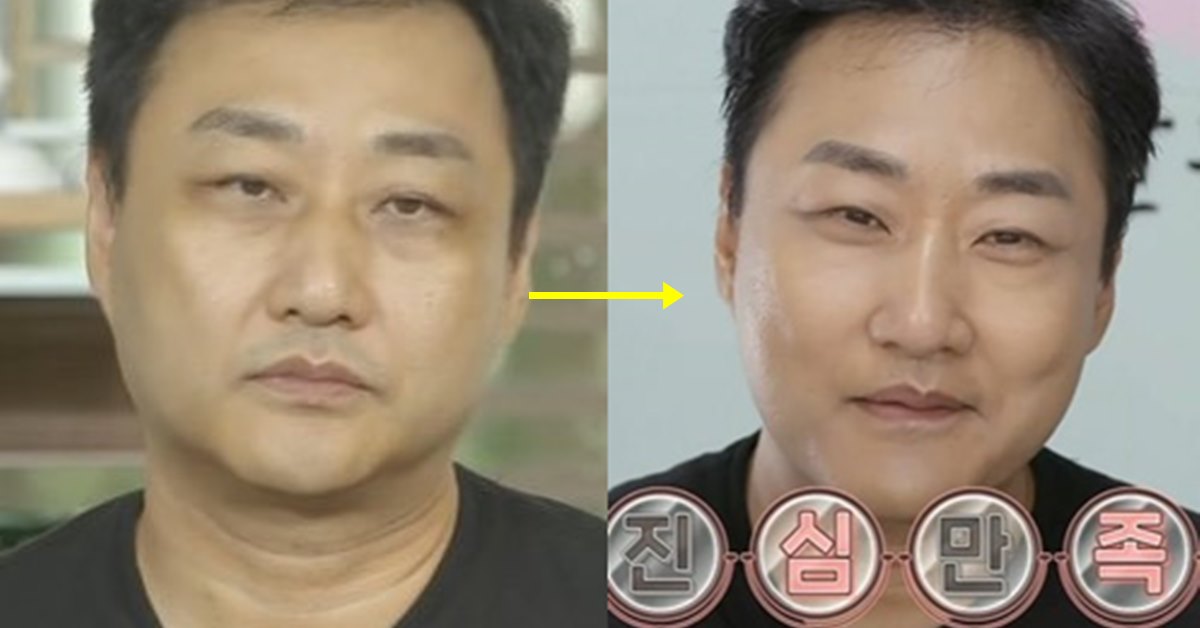
Reducing the appearance of dark circles can make you look healthier, more refreshed, and better rested. Whether you regularly meet clients, attend social events, or simply want your appearance to reflect how you feel, choosing the right treatment starts with understanding the cause.
Many patients tell us the same thing.
"I don't feel tired, but people keep asking if I'm exhausted."
At REPIC Clinic, we assess the skin, pigmentation, blood vessels, and facial anatomy around the eyes before recommending treatment. This allows us to match each patient with the most appropriate approach, whether that involves under eye filler, Rejuran skin boosters, pigment laser treatment, or a personalised combination of therapies.
Why Do Dark Circles Form?
Dark circles develop for different reasons, which is why no single treatment works for everyone. Some are caused by visible blood vessels beneath thin under eye skin, others result from excess pigmentation, while many appear because of age related volume loss that creates shadows. In many cases, patients have a combination of these factors.
As explained in our previous guide, Dark Circles: 3 Common Types and Their Causes, under eye dark circles are generally classified into three main categories.
Vascular dark circles, which appear blue, purple, or reddish because blood vessels become more visible through thin skin.
Pigmented dark circles, which develop from increased melanin production or post inflammatory hyperpigmentation.
Structural dark circles, which are caused by tear trough hollowing, volume loss, or facial anatomy that creates shadowing beneath the eyes.
Because each type has a different underlying cause, selecting the correct treatment is essential for achieving safe, natural looking, and long lasting results. The following sections explain the most effective clinical treatments for each type of dark circle and why an accurate diagnosis should always come before treatment.
The Three Main Types of Dark Circles
Understanding what causes your under eye dark circles is the first step toward choosing the most effective treatment. Although dark circles may appear similar, they generally fall into three clinical categories. Many patients experience more than one type, which is why a professional assessment is important before treatment begins.
1. Vascular Dark Circles (Blue or Reddish Tone)
Vascular dark circles develop when blood vessels or the underlying eye muscle become visible through thin under eye skin. They often appear blue, purple, or reddish and may become more noticeable after poor sleep, stress, or fatigue.
Common characteristics include:
Bluish tint caused by visible veins beneath thin skin.
Reddish appearance from the underlying orbicularis oculi muscle.
Dark circles that become more noticeable when you're tired or sleep deprived.
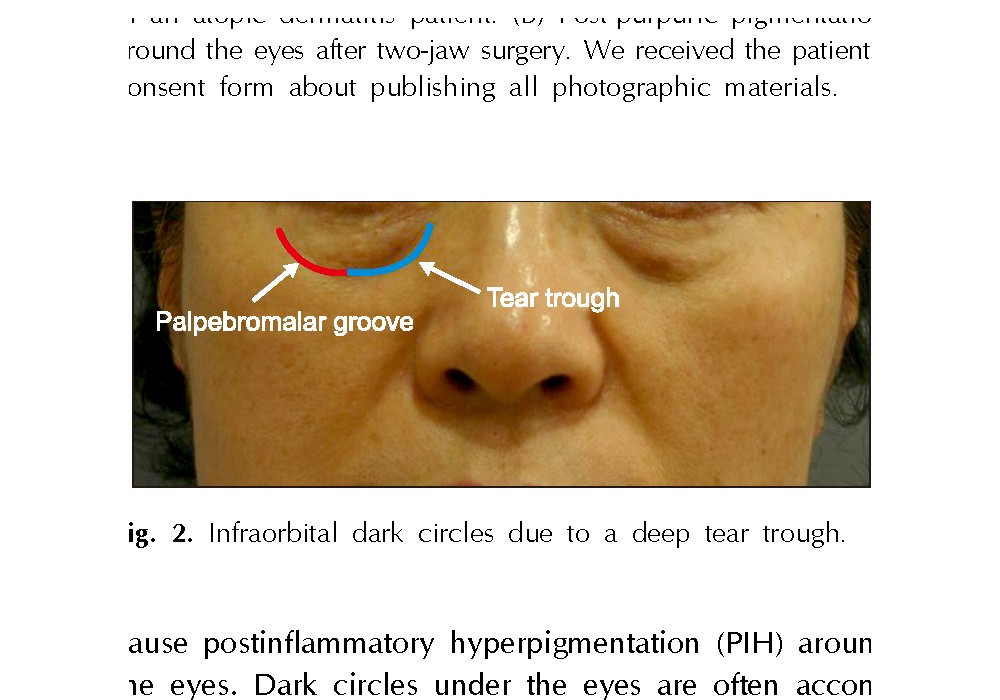
Classification by causes of dark circles and appropriate evaluation method of dark circles.
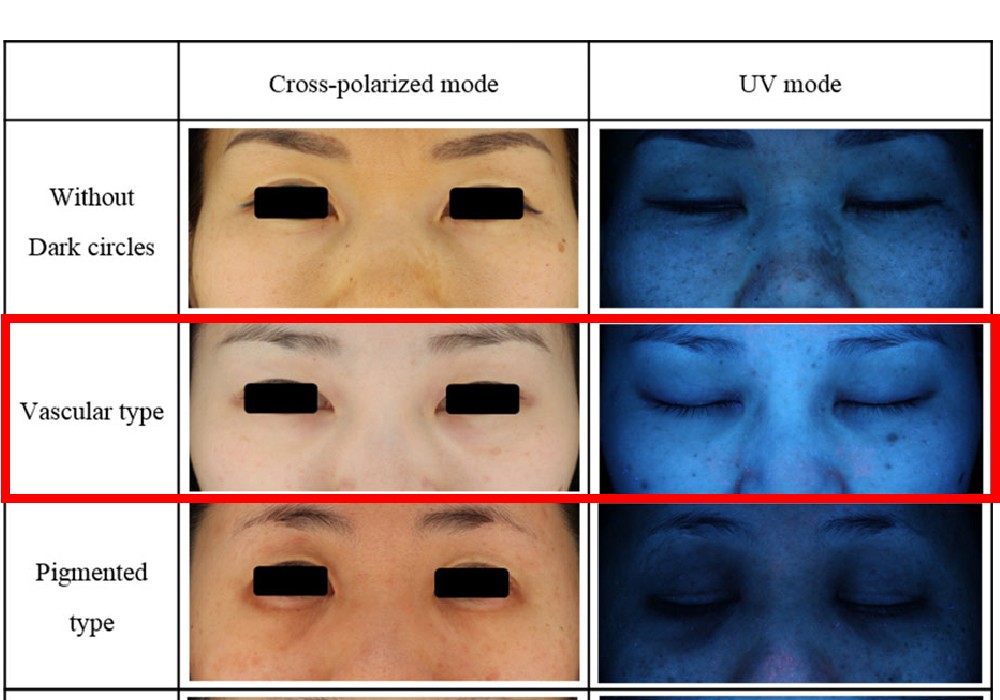
Reference: Classification by Causes of Dark Circles and Appropriate Evaluation Methods.
2. Pigmented Dark Circles (Brown Tone)
Pigmented dark circles result from excess melanin production in the skin beneath the eyes. They typically appear brown and may gradually become darker without appropriate treatment.
Common causes include:
Atopic dermatitis.
Chronic skin irritation.
Frequent eye rubbing.
Post inflammatory hyperpigmentation.
Pigmented dark circles are more commonly seen in individuals with darker skin tones.
Treatments of Infra-Orbital Dark Circles by Various Etiologies.
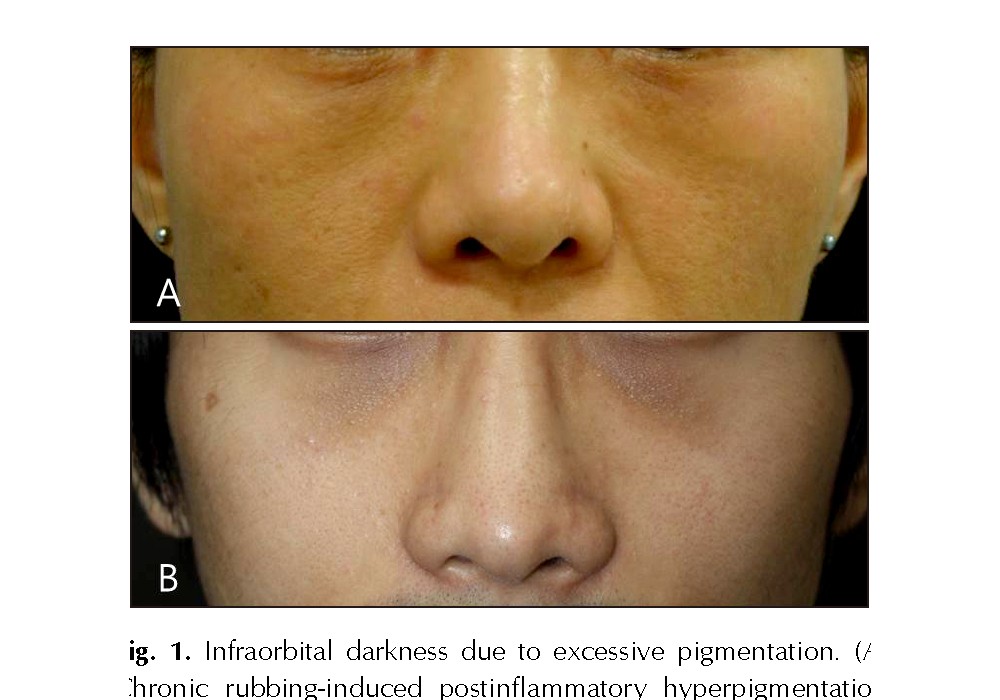
Reference: Treatments of Infra Orbital Dark Circles by Various Etiologies.
3. Structural Dark Circles (Shadowing from Volume Loss)
Treatments of Infra-Orbital Dark Circles by Various Etiologies.
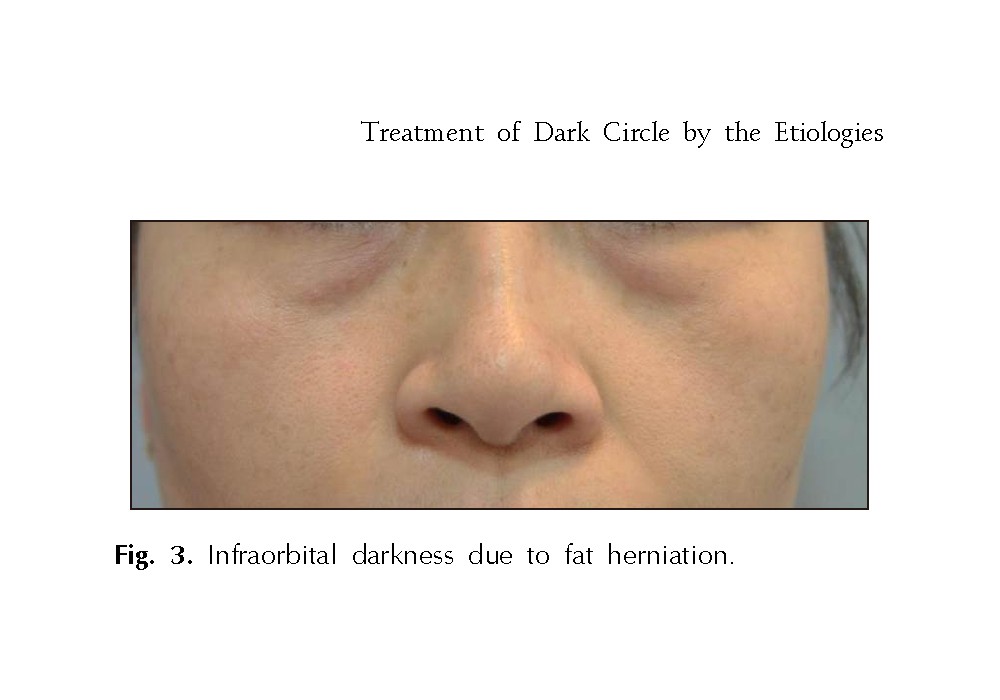
Structural dark circles are created by facial anatomy rather than changes in skin colour. As volume is lost beneath the eyes, shadows become more noticeable and create the appearance of dark circles.
Common anatomical causes include:
Deep tear troughs (nasojugal groove).
Age related or weight related volume loss.
Protruding under eye fat.
Hollowing beneath eye bags.
In these cases, the darkness is created by shadowing rather than pigmentation.
Dark Circle Treatments by Type
Because each type of dark circle has a different cause, treatment should always be tailored to the individual's anatomy and skin condition. The following clinical treatments are selected based on the underlying cause rather than appearance alone.
1. Under Eye Filler (Hyaluronic Acid Filler)
Real-World Evidence on the Routine Use, Efficacy, and Safety of a Hyaluronic Acid-Based Dermal Filler in the Periorbital Region.
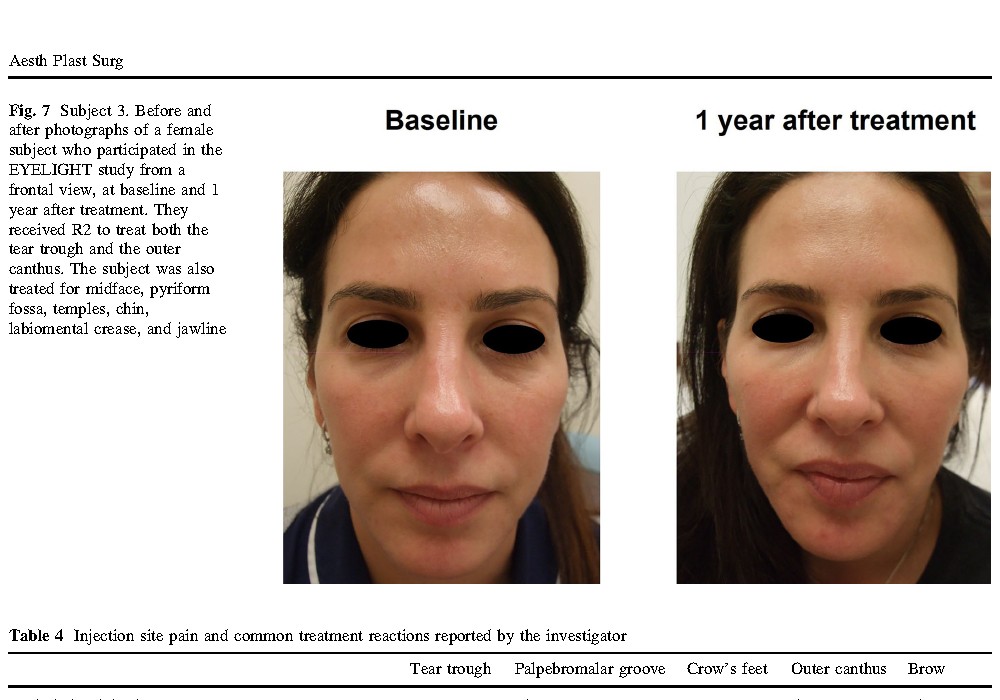
Best suited for: Structural dark circles and tear trough deformities.
Reference: Real World Evidence on the Routine Use, Efficacy, and Safety of a Hyaluronic Acid Based Dermal Filler in the Periorbital Region.
Low viscosity, low elasticity hyaluronic acid fillers are carefully placed beneath hollow areas to restore lost volume and soften shadowing.
Benefits
Restores volume in depressed tear troughs.
Reduces shadowing beneath the eyes.
Provides immediate visible improvement.
Non surgical treatment with minimal downtime.
Important Consideration: Tyndall Effect
Because the under eye skin is thin and delicate, treatment technique is essential.
The Tyndall effect may occur if:
The filler particles are too large.
The product is injected too close to the skin surface.
This can create a bluish discolouration beneath the eyes. An experienced injector uses the appropriate filler and precise injection depth to minimise this risk.
2. PN Skin Booster (Rejuran)
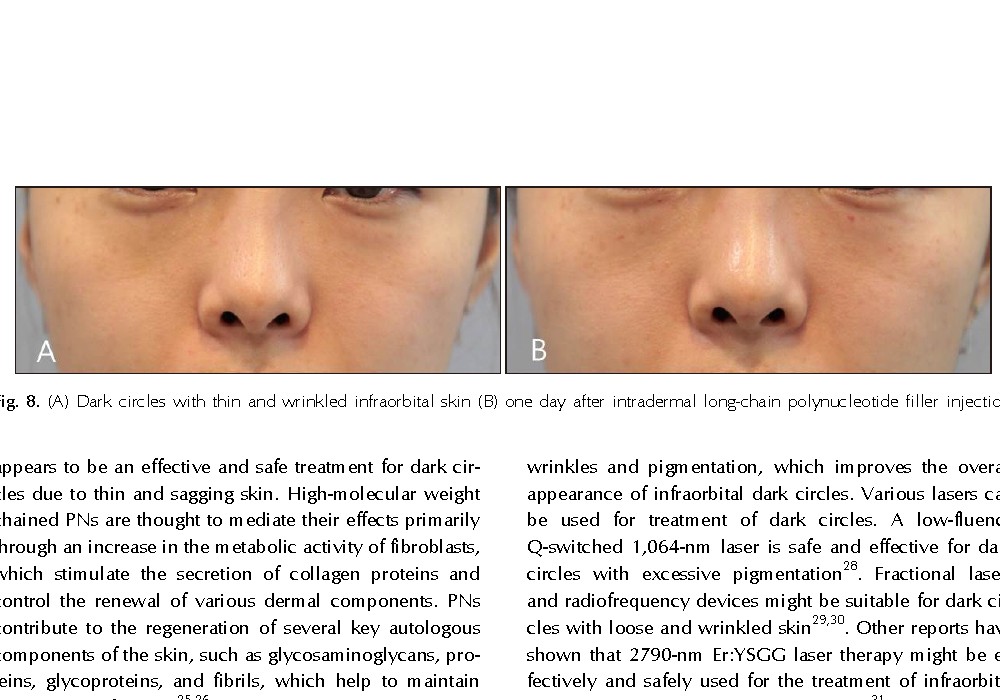
Best suited for: Thin, crepey, and ageing under eye skin.
Rather than restoring volume, Rejuran improves the quality and thickness of the skin, helping reduce the visibility of underlying blood vessels.
Rejuran contains PN (Polynucleotide), which helps:
Stimulate fibroblast activity.
Increase collagen production.
Improve skin elasticity.
Strengthen thin under eye skin.
Ideal for patients with:
Early signs of ageing.
Fine wrinkles.
Thin and fragile under eye skin.
3. Laser Treatment for Pigmentation (1064 nm Q Switched Nd:YAG)
Q-Switched Nd:YAG Laser to Manage Hyperpigmentation in Asians: A Multicenter Study.
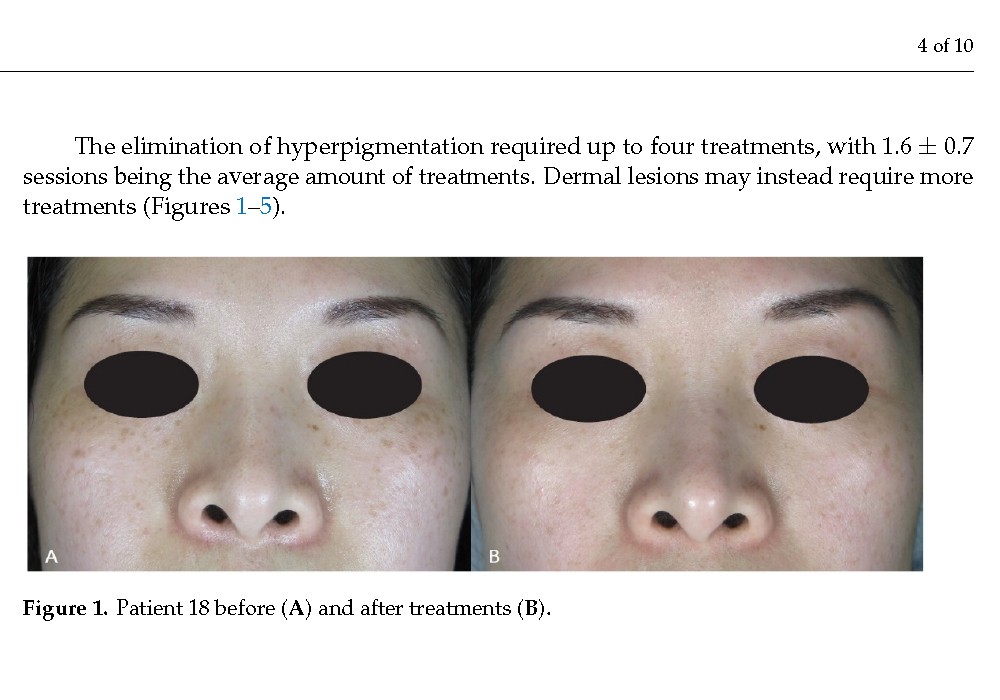
Best suited for: Pigmented dark circles.
Reference: Q Switched Nd:YAG Laser to Manage Hyperpigmentation in Asians: A Multicenter Study.
The 1064 nm Q Switched Nd:YAG laser selectively targets excess melanin while preserving the surrounding tissue, making it an effective option for treating pigmentation beneath the eyes.
Benefits
Brightens darkened under eye skin.
Improves uneven skin tone.
Treats post inflammatory hyperpigmentation.
Suitable for Asian and darker skin types.
Multiple treatment sessions are often recommended to achieve the best clinical outcome.
Why Is Proper Diagnosis Important Before Treating Dark Circles?
Choosing the right treatment starts with identifying the true cause of your dark circles. Many patients have more than one contributing factor, which means a single treatment may not address the entire concern.
Common combination types include:
Structural and vascular dark circles.
Pigmented and structural dark circles.
Vascular and pigmented dark circles.
For example, using dermal filler to treat pigmentation will not lighten brown discoloration, while laser treatment alone cannot correct hollow tear troughs or shadowing caused by volume loss. Treating only one component often results in limited improvement.
At REPIC Clinic, every treatment plan begins with a personalised assessment of your skin quality, pigmentation, blood vessels, and facial anatomy. This allows us to identify the underlying causes of your dark circles and recommend the most appropriate treatment or combination of treatments for natural looking, long lasting results.
Which Dark Circle Treatment Is Right for You?
There is no single treatment that works for every type of dark circle. The most effective approach depends on a detailed assessment of your under eye anatomy, skin quality, and the underlying cause of the discoloration.
During your consultation, your practitioner will evaluate factors such as:
Skin thickness and overall skin quality.
Depth and type of pigmentation.
Tear trough anatomy and volume loss.
Under eye fat protrusion.
Overall facial balance and symmetry.
Based on these findings, a personalised treatment plan may include one or more of the following:
Under eye hyaluronic acid filler to restore volume and reduce shadowing.
PN skin boosters (Rejuran) to improve skin thickness and elasticity.
Laser treatments to reduce pigmentation and create a brighter, more even skin tone.
Combining treatments when appropriate often provides the most natural looking and long lasting results, particularly for patients with mixed type dark circles.
Finding the Best Treatment for Your Dark Circles
Dark circles are not a single condition, and the most effective treatment depends on accurately identifying their underlying cause. Whether your concern is pigmentation, visible blood vessels, volume loss, or a combination of these factors, a personalised treatment plan can deliver natural looking, long lasting improvement.
At REPIC Clinic, every consultation begins with a detailed assessment to determine which treatment or combination of treatments is best suited to your under eye concerns.
If you're ready to achieve brighter, fresher looking eyes, schedule a consultation with our team and take the first step toward a treatment plan designed specifically for you.
FAQ: Dark Circle Treatments
How can I identify my dark circle type accurately?
A professional assessment can help determine whether your dark circles are vascular, pigmented, structural, or a combination of different types.
Why do I look tired even when I’m well rested?
Dark circles caused by visible blood vessels, pigmentation, or under-eye hollowing can make you look tired even when you are getting enough sleep.
What is under-eye filler and how does it help dark circles?
Under-eye filler uses hyaluronic acid to restore volume in hollow tear troughs, helping reduce the shadows that can make the under-eye area appear darker.
Can someone have more than one type of dark circle?
Yes. Many people have a combination of vascular, pigmented, and structural dark circles, which may require a personalised treatment approach.
How do I know which dark circle treatment is right for me?
The right treatment depends on the underlying cause, skin quality, pigmentation, blood vessels, and facial anatomy, so a professional assessment is the best place to start.
Tags:
Eyes
Treatment Guides
Share this blog
Related Posts.
Looking for more expert insights? Explore these articles from our team of skincare specialists.


Skincare Recommendations

Back to Menu
Rewrite Your Beauty Story with REPIC Clinic
The more you understand your skin, the better decisions you can make about your daily habits and long-term skincare plan. Knowledge is the first step toward healthy, confident skin.
Ready to discover what your skin truly needs?
Back to Menu
Dark Circle Treatment Guide: Best Treatments for Every Type of Under Eye Dark Circle
Dark circles are not all caused by the same problem. Some develop because blood vessels show through thin under eye skin, while others result from excess pigmentation, age related volume loss, or a combination of these factors. Identifying the underlying cause is the first step toward choosing a treatment that delivers natural looking and lasting results.
This guide explains the different types of under eye dark circles, why they develop, and which clinical treatments are most effective for each condition. You'll also learn why a personalised assessment is essential, since treatments that work well for one type of dark circle may provide little improvement for another.
Which Dark Circle Treatment Is Best for Your Dark Circle Type?
Source: NamuWiki
Reducing the appearance of dark circles can make you look healthier, more refreshed, and better rested. Whether you regularly meet clients, attend social events, or simply want your appearance to reflect how you feel, choosing the right treatment starts with understanding the cause.
Many patients tell us the same thing.
"I don't feel tired, but people keep asking if I'm exhausted."
At REPIC Clinic, we assess the skin, pigmentation, blood vessels, and facial anatomy around the eyes before recommending treatment. This allows us to match each patient with the most appropriate approach, whether that involves under eye filler, Rejuran skin boosters, pigment laser treatment, or a personalised combination of therapies.
Why Do Dark Circles Form?
Dark circles develop for different reasons, which is why no single treatment works for everyone. Some are caused by visible blood vessels beneath thin under eye skin, others result from excess pigmentation, while many appear because of age related volume loss that creates shadows. In many cases, patients have a combination of these factors.
As explained in our previous guide, Dark Circles: 3 Common Types and Their Causes, under eye dark circles are generally classified into three main categories.
Vascular dark circles, which appear blue, purple, or reddish because blood vessels become more visible through thin skin.
Pigmented dark circles, which develop from increased melanin production or post inflammatory hyperpigmentation.
Structural dark circles, which are caused by tear trough hollowing, volume loss, or facial anatomy that creates shadowing beneath the eyes.
Because each type has a different underlying cause, selecting the correct treatment is essential for achieving safe, natural looking, and long lasting results. The following sections explain the most effective clinical treatments for each type of dark circle and why an accurate diagnosis should always come before treatment.
The Three Main Types of Dark Circles
Understanding what causes your under eye dark circles is the first step toward choosing the most effective treatment. Although dark circles may appear similar, they generally fall into three clinical categories. Many patients experience more than one type, which is why a professional assessment is important before treatment begins.
1. Vascular Dark Circles (Blue or Reddish Tone)
Vascular dark circles develop when blood vessels or the underlying eye muscle become visible through thin under eye skin. They often appear blue, purple, or reddish and may become more noticeable after poor sleep, stress, or fatigue.
Common characteristics include:
Bluish tint caused by visible veins beneath thin skin.
Reddish appearance from the underlying orbicularis oculi muscle.
Dark circles that become more noticeable when you're tired or sleep deprived.
Classification by causes of dark circles and appropriate evaluation method of dark circles.
Reference: Classification by Causes of Dark Circles and Appropriate Evaluation Methods.
2. Pigmented Dark Circles (Brown Tone)
Pigmented dark circles result from excess melanin production in the skin beneath the eyes. They typically appear brown and may gradually become darker without appropriate treatment.
Common causes include:
Atopic dermatitis.
Chronic skin irritation.
Frequent eye rubbing.
Post inflammatory hyperpigmentation.
Pigmented dark circles are more commonly seen in individuals with darker skin tones.
Treatments of Infra-Orbital Dark Circles by Various Etiologies.
Reference: Treatments of Infra Orbital Dark Circles by Various Etiologies.
3. Structural Dark Circles (Shadowing from Volume Loss)
Treatments of Infra-Orbital Dark Circles by Various Etiologies.
Structural dark circles are created by facial anatomy rather than changes in skin colour. As volume is lost beneath the eyes, shadows become more noticeable and create the appearance of dark circles.
Common anatomical causes include:
Deep tear troughs (nasojugal groove).
Age related or weight related volume loss.
Protruding under eye fat.
Hollowing beneath eye bags.
In these cases, the darkness is created by shadowing rather than pigmentation.
Dark Circle Treatments by Type
Because each type of dark circle has a different cause, treatment should always be tailored to the individual's anatomy and skin condition. The following clinical treatments are selected based on the underlying cause rather than appearance alone.
1. Under Eye Filler (Hyaluronic Acid Filler)
Real-World Evidence on the Routine Use, Efficacy, and Safety of a Hyaluronic Acid-Based Dermal Filler in the Periorbital Region.
Best suited for: Structural dark circles and tear trough deformities.
Reference: Real World Evidence on the Routine Use, Efficacy, and Safety of a Hyaluronic Acid Based Dermal Filler in the Periorbital Region.
Low viscosity, low elasticity hyaluronic acid fillers are carefully placed beneath hollow areas to restore lost volume and soften shadowing.
Benefits
Restores volume in depressed tear troughs.
Reduces shadowing beneath the eyes.
Provides immediate visible improvement.
Non surgical treatment with minimal downtime.
Important Consideration: Tyndall Effect
Because the under eye skin is thin and delicate, treatment technique is essential.
The Tyndall effect may occur if:
The filler particles are too large.
The product is injected too close to the skin surface.
This can create a bluish discolouration beneath the eyes. An experienced injector uses the appropriate filler and precise injection depth to minimise this risk.
2. PN Skin Booster (Rejuran)
Best suited for: Thin, crepey, and ageing under eye skin.
Rather than restoring volume, Rejuran improves the quality and thickness of the skin, helping reduce the visibility of underlying blood vessels.
Rejuran contains PN (Polynucleotide), which helps:
Stimulate fibroblast activity.
Increase collagen production.
Improve skin elasticity.
Strengthen thin under eye skin.
Ideal for patients with:
Early signs of ageing.
Fine wrinkles.
Thin and fragile under eye skin.
3. Laser Treatment for Pigmentation (1064 nm Q Switched Nd:YAG)
Q-Switched Nd:YAG Laser to Manage Hyperpigmentation in Asians: A Multicenter Study.
Best suited for: Pigmented dark circles.
Reference: Q Switched Nd:YAG Laser to Manage Hyperpigmentation in Asians: A Multicenter Study.
The 1064 nm Q Switched Nd:YAG laser selectively targets excess melanin while preserving the surrounding tissue, making it an effective option for treating pigmentation beneath the eyes.
Benefits
Brightens darkened under eye skin.
Improves uneven skin tone.
Treats post inflammatory hyperpigmentation.
Suitable for Asian and darker skin types.
Multiple treatment sessions are often recommended to achieve the best clinical outcome.
Why Is Proper Diagnosis Important Before Treating Dark Circles?
Choosing the right treatment starts with identifying the true cause of your dark circles. Many patients have more than one contributing factor, which means a single treatment may not address the entire concern.
Common combination types include:
Structural and vascular dark circles.
Pigmented and structural dark circles.
Vascular and pigmented dark circles.
For example, using dermal filler to treat pigmentation will not lighten brown discoloration, while laser treatment alone cannot correct hollow tear troughs or shadowing caused by volume loss. Treating only one component often results in limited improvement.
At REPIC Clinic, every treatment plan begins with a personalised assessment of your skin quality, pigmentation, blood vessels, and facial anatomy. This allows us to identify the underlying causes of your dark circles and recommend the most appropriate treatment or combination of treatments for natural looking, long lasting results.
Which Dark Circle Treatment Is Right for You?
There is no single treatment that works for every type of dark circle. The most effective approach depends on a detailed assessment of your under eye anatomy, skin quality, and the underlying cause of the discoloration.
During your consultation, your practitioner will evaluate factors such as:
Skin thickness and overall skin quality.
Depth and type of pigmentation.
Tear trough anatomy and volume loss.
Under eye fat protrusion.
Overall facial balance and symmetry.
Based on these findings, a personalised treatment plan may include one or more of the following:
Under eye hyaluronic acid filler to restore volume and reduce shadowing.
PN skin boosters (Rejuran) to improve skin thickness and elasticity.
Laser treatments to reduce pigmentation and create a brighter, more even skin tone.
Combining treatments when appropriate often provides the most natural looking and long lasting results, particularly for patients with mixed type dark circles.
Finding the Best Treatment for Your Dark Circles
Dark circles are not a single condition, and the most effective treatment depends on accurately identifying their underlying cause. Whether your concern is pigmentation, visible blood vessels, volume loss, or a combination of these factors, a personalised treatment plan can deliver natural looking, long lasting improvement.
At REPIC Clinic, every consultation begins with a detailed assessment to determine which treatment or combination of treatments is best suited to your under eye concerns.
If you're ready to achieve brighter, fresher looking eyes, schedule a consultation with our team and take the first step toward a treatment plan designed specifically for you.
FAQ: Dark Circle Treatments
How can I identify my dark circle type accurately?
A professional assessment can help determine whether your dark circles are vascular, pigmented, structural, or a combination of different types.
Why do I look tired even when I’m well rested?
Dark circles caused by visible blood vessels, pigmentation, or under-eye hollowing can make you look tired even when you are getting enough sleep.
What is under-eye filler and how does it help dark circles?
Under-eye filler uses hyaluronic acid to restore volume in hollow tear troughs, helping reduce the shadows that can make the under-eye area appear darker.
Can someone have more than one type of dark circle?
Yes. Many people have a combination of vascular, pigmented, and structural dark circles, which may require a personalised treatment approach.
How do I know which dark circle treatment is right for me?
The right treatment depends on the underlying cause, skin quality, pigmentation, blood vessels, and facial anatomy, so a professional assessment is the best place to start.
Tags:
Eyes
Treatment Guides
Share this blog
Related Posts.
Looking for more expert insights? Explore these articles from our team of skincare specialists.
Skincare Recommendations
Back to Menu
Rewrite Your Beauty Story with REPIC Clinic
The more you understand your skin, the better decisions you can make about your daily habits and long-term skincare plan. Knowledge is the first step toward healthy, confident skin.
Ready to discover what your skin truly needs?
Back to Menu
Dark Circle Treatment Guide: Best Treatments for Every Type of Under Eye Dark Circle
Dark circles are not all caused by the same problem. Some develop because blood vessels show through thin under eye skin, while others result from excess pigmentation, age related volume loss, or a combination of these factors. Identifying the underlying cause is the first step toward choosing a treatment that delivers natural looking and lasting results.
This guide explains the different types of under eye dark circles, why they develop, and which clinical treatments are most effective for each condition. You'll also learn why a personalised assessment is essential, since treatments that work well for one type of dark circle may provide little improvement for another.
Which Dark Circle Treatment Is Best for Your Dark Circle Type?
Source: NamuWiki
Reducing the appearance of dark circles can make you look healthier, more refreshed, and better rested. Whether you regularly meet clients, attend social events, or simply want your appearance to reflect how you feel, choosing the right treatment starts with understanding the cause.
Many patients tell us the same thing.
"I don't feel tired, but people keep asking if I'm exhausted."
At REPIC Clinic, we assess the skin, pigmentation, blood vessels, and facial anatomy around the eyes before recommending treatment. This allows us to match each patient with the most appropriate approach, whether that involves under eye filler, Rejuran skin boosters, pigment laser treatment, or a personalised combination of therapies.
Why Do Dark Circles Form?
Dark circles develop for different reasons, which is why no single treatment works for everyone. Some are caused by visible blood vessels beneath thin under eye skin, others result from excess pigmentation, while many appear because of age related volume loss that creates shadows. In many cases, patients have a combination of these factors.
As explained in our previous guide, Dark Circles: 3 Common Types and Their Causes, under eye dark circles are generally classified into three main categories.
Vascular dark circles, which appear blue, purple, or reddish because blood vessels become more visible through thin skin.
Pigmented dark circles, which develop from increased melanin production or post inflammatory hyperpigmentation.
Structural dark circles, which are caused by tear trough hollowing, volume loss, or facial anatomy that creates shadowing beneath the eyes.
Because each type has a different underlying cause, selecting the correct treatment is essential for achieving safe, natural looking, and long lasting results. The following sections explain the most effective clinical treatments for each type of dark circle and why an accurate diagnosis should always come before treatment.
The Three Main Types of Dark Circles
Understanding what causes your under eye dark circles is the first step toward choosing the most effective treatment. Although dark circles may appear similar, they generally fall into three clinical categories. Many patients experience more than one type, which is why a professional assessment is important before treatment begins.
1. Vascular Dark Circles (Blue or Reddish Tone)
Vascular dark circles develop when blood vessels or the underlying eye muscle become visible through thin under eye skin. They often appear blue, purple, or reddish and may become more noticeable after poor sleep, stress, or fatigue.
Common characteristics include:
Bluish tint caused by visible veins beneath thin skin.
Reddish appearance from the underlying orbicularis oculi muscle.
Dark circles that become more noticeable when you're tired or sleep deprived.
Classification by causes of dark circles and appropriate evaluation method of dark circles.
Reference: Classification by Causes of Dark Circles and Appropriate Evaluation Methods.
2. Pigmented Dark Circles (Brown Tone)
Pigmented dark circles result from excess melanin production in the skin beneath the eyes. They typically appear brown and may gradually become darker without appropriate treatment.
Common causes include:
Atopic dermatitis.
Chronic skin irritation.
Frequent eye rubbing.
Post inflammatory hyperpigmentation.
Pigmented dark circles are more commonly seen in individuals with darker skin tones.
Treatments of Infra-Orbital Dark Circles by Various Etiologies.
Reference: Treatments of Infra Orbital Dark Circles by Various Etiologies.
3. Structural Dark Circles (Shadowing from Volume Loss)
Treatments of Infra-Orbital Dark Circles by Various Etiologies.
Structural dark circles are created by facial anatomy rather than changes in skin colour. As volume is lost beneath the eyes, shadows become more noticeable and create the appearance of dark circles.
Common anatomical causes include:
Deep tear troughs (nasojugal groove).
Age related or weight related volume loss.
Protruding under eye fat.
Hollowing beneath eye bags.
In these cases, the darkness is created by shadowing rather than pigmentation.
Dark Circle Treatments by Type
Because each type of dark circle has a different cause, treatment should always be tailored to the individual's anatomy and skin condition. The following clinical treatments are selected based on the underlying cause rather than appearance alone.
1. Under Eye Filler (Hyaluronic Acid Filler)
Real-World Evidence on the Routine Use, Efficacy, and Safety of a Hyaluronic Acid-Based Dermal Filler in the Periorbital Region.
Best suited for: Structural dark circles and tear trough deformities.
Reference: Real World Evidence on the Routine Use, Efficacy, and Safety of a Hyaluronic Acid Based Dermal Filler in the Periorbital Region.
Low viscosity, low elasticity hyaluronic acid fillers are carefully placed beneath hollow areas to restore lost volume and soften shadowing.
Benefits
Restores volume in depressed tear troughs.
Reduces shadowing beneath the eyes.
Provides immediate visible improvement.
Non surgical treatment with minimal downtime.
Important Consideration: Tyndall Effect
Because the under eye skin is thin and delicate, treatment technique is essential.
The Tyndall effect may occur if:
The filler particles are too large.
The product is injected too close to the skin surface.
This can create a bluish discolouration beneath the eyes. An experienced injector uses the appropriate filler and precise injection depth to minimise this risk.
2. PN Skin Booster (Rejuran)
Best suited for: Thin, crepey, and ageing under eye skin.
Rather than restoring volume, Rejuran improves the quality and thickness of the skin, helping reduce the visibility of underlying blood vessels.
Rejuran contains PN (Polynucleotide), which helps:
Stimulate fibroblast activity.
Increase collagen production.
Improve skin elasticity.
Strengthen thin under eye skin.
Ideal for patients with:
Early signs of ageing.
Fine wrinkles.
Thin and fragile under eye skin.
3. Laser Treatment for Pigmentation (1064 nm Q Switched Nd:YAG)
Q-Switched Nd:YAG Laser to Manage Hyperpigmentation in Asians: A Multicenter Study.
Best suited for: Pigmented dark circles.
Reference: Q Switched Nd:YAG Laser to Manage Hyperpigmentation in Asians: A Multicenter Study.
The 1064 nm Q Switched Nd:YAG laser selectively targets excess melanin while preserving the surrounding tissue, making it an effective option for treating pigmentation beneath the eyes.
Benefits
Brightens darkened under eye skin.
Improves uneven skin tone.
Treats post inflammatory hyperpigmentation.
Suitable for Asian and darker skin types.
Multiple treatment sessions are often recommended to achieve the best clinical outcome.
Why Is Proper Diagnosis Important Before Treating Dark Circles?
Choosing the right treatment starts with identifying the true cause of your dark circles. Many patients have more than one contributing factor, which means a single treatment may not address the entire concern.
Common combination types include:
Structural and vascular dark circles.
Pigmented and structural dark circles.
Vascular and pigmented dark circles.
For example, using dermal filler to treat pigmentation will not lighten brown discoloration, while laser treatment alone cannot correct hollow tear troughs or shadowing caused by volume loss. Treating only one component often results in limited improvement.
At REPIC Clinic, every treatment plan begins with a personalised assessment of your skin quality, pigmentation, blood vessels, and facial anatomy. This allows us to identify the underlying causes of your dark circles and recommend the most appropriate treatment or combination of treatments for natural looking, long lasting results.
Which Dark Circle Treatment Is Right for You?
There is no single treatment that works for every type of dark circle. The most effective approach depends on a detailed assessment of your under eye anatomy, skin quality, and the underlying cause of the discoloration.
During your consultation, your practitioner will evaluate factors such as:
Skin thickness and overall skin quality.
Depth and type of pigmentation.
Tear trough anatomy and volume loss.
Under eye fat protrusion.
Overall facial balance and symmetry.
Based on these findings, a personalised treatment plan may include one or more of the following:
Under eye hyaluronic acid filler to restore volume and reduce shadowing.
PN skin boosters (Rejuran) to improve skin thickness and elasticity.
Laser treatments to reduce pigmentation and create a brighter, more even skin tone.
Combining treatments when appropriate often provides the most natural looking and long lasting results, particularly for patients with mixed type dark circles.
Finding the Best Treatment for Your Dark Circles
Dark circles are not a single condition, and the most effective treatment depends on accurately identifying their underlying cause. Whether your concern is pigmentation, visible blood vessels, volume loss, or a combination of these factors, a personalised treatment plan can deliver natural looking, long lasting improvement.
At REPIC Clinic, every consultation begins with a detailed assessment to determine which treatment or combination of treatments is best suited to your under eye concerns.
If you're ready to achieve brighter, fresher looking eyes, schedule a consultation with our team and take the first step toward a treatment plan designed specifically for you.
FAQ: Dark Circle Treatments
How can I identify my dark circle type accurately?
A professional assessment can help determine whether your dark circles are vascular, pigmented, structural, or a combination of different types.
Why do I look tired even when I’m well rested?
Dark circles caused by visible blood vessels, pigmentation, or under-eye hollowing can make you look tired even when you are getting enough sleep.
What is under-eye filler and how does it help dark circles?
Under-eye filler uses hyaluronic acid to restore volume in hollow tear troughs, helping reduce the shadows that can make the under-eye area appear darker.
Can someone have more than one type of dark circle?
Yes. Many people have a combination of vascular, pigmented, and structural dark circles, which may require a personalised treatment approach.
How do I know which dark circle treatment is right for me?
The right treatment depends on the underlying cause, skin quality, pigmentation, blood vessels, and facial anatomy, so a professional assessment is the best place to start.
Tags:
Eyes
Treatment Guides
Share this blog
Related Posts.
Looking for more expert insights? Explore these articles from our team of skincare specialists.
Skincare Recommendations
Back to Menu
Rewrite Your Beauty Story with
REPIC Clinic
The more you understand your skin, the better decisions you can make about your daily habits and long-term skincare plan. Knowledge is the first step toward healthy, confident skin.
Ready to discover what your skin truly needs?