Back to Menu
Do Peptide Skincare Products Really Work?
SKIN WIKI
SKIN WIKI
Peptide Skincare Products: Why Do They Often Fail to Deliver Results?
Hello,
This is the medical team at Repic Clinic in Gangnam.
Today, we’d like to discuss why many peptide-based skincare products on the market fail to meet expectations, and more importantly, how to use them effectively to maximize their benefits.
Peptides, along with retinoids discussed in our previous article, are considered essential ingredients in anti-aging skincare.
However, peptides have a clear and significant limitation: they are extremely difficult to absorb into the skin.
Peptides Without Penetration Are Unlikely to Work
Skin permeability, a dismissed necessity for anti-wrinkle peptide performance
Although a wide variety of peptide cosmetics are commercially available, they cannot exert meaningful effects unless they sufficiently penetrate the skin.
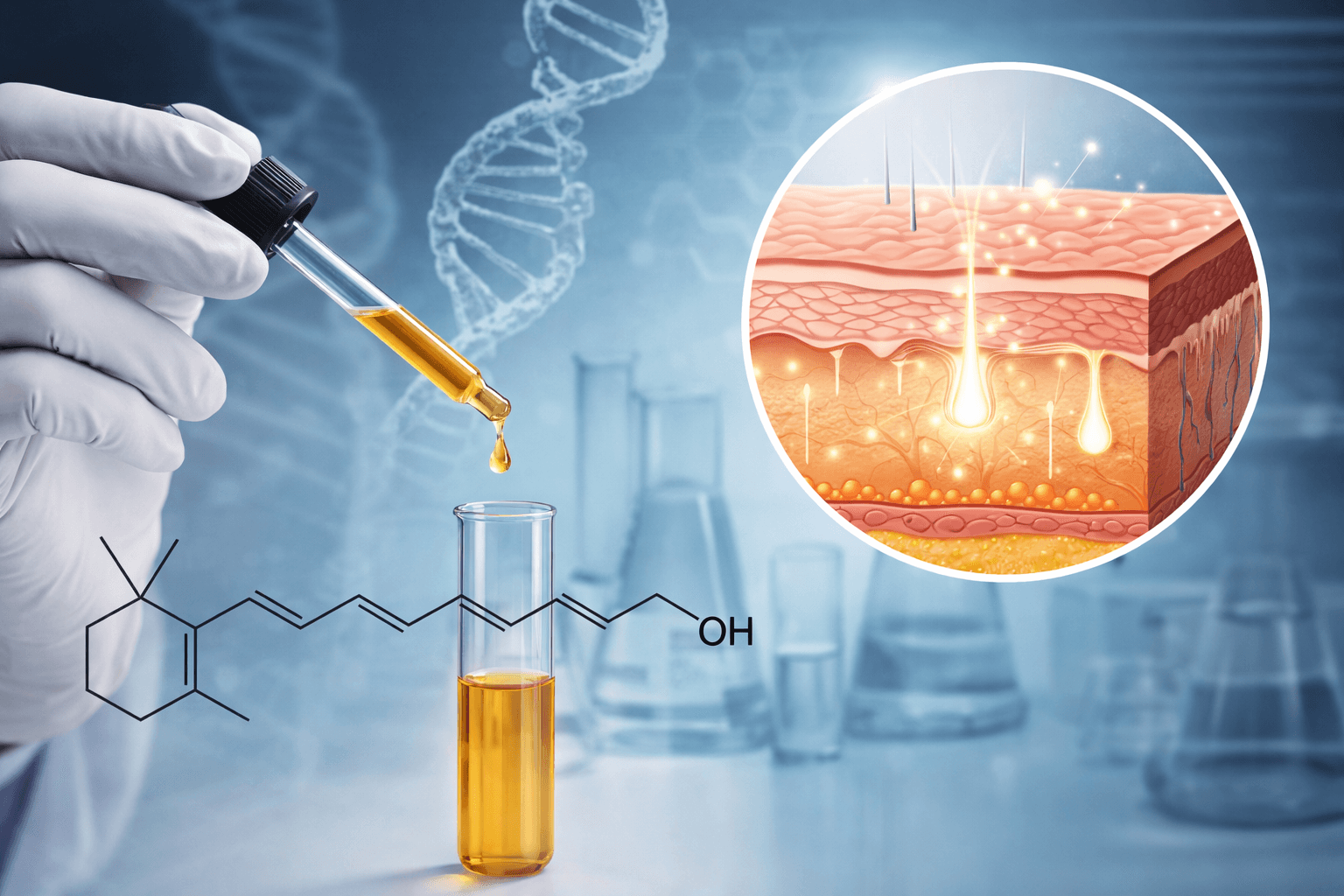
For peptides to function properly, they must reach deeper layers of the skin, where cellular signaling and regeneration occur.
However, in their natural state, most peptides exhibit low skin permeability, making it unlikely that they reach their intended targets.
That said, research also highlights that advanced delivery technologies can help overcome these penetration barriers.
How to Choose an Effective Peptide Skincare Product
Scientific literature outlines three major strategies to improve peptide penetration:
1. Encapsulation & Complexation Technologies
Peptides are enclosed within protective structures to:
Shield them from external degradation
Improve stability
Deliver them deeper into the skin
In simple terms, this method acts like secure packaging that safely transports peptides to where they are needed.
2. Physical Delivery Methods
Examples include:
Microneedling (MTS), which creates micro-channels in the skin
Iontophoresis, which uses electrical energy to enhance absorption
Dermatology devices such as LDM systems operate on similar principles.
When peptides are delivered using these techniques, their naturally low permeability can be partially compensated for.
3. Chemical Modification
Peptides can be structurally modified to:
Improve cellular permeability
Enhance absorption
Be designed from the outset with penetration in mind
When choosing a peptide product, consider whether it:
Uses encapsulation technology
Is designed for physical delivery methods
Contains chemically modified peptides
Common Types of Peptides Used in Skincare
1. Signal Peptides
Topical Peptide Treatments with Effective Anti-Aging Results
Signal peptides work by sending “regeneration signals” to skin cells. Their benefits include:
Stimulating dermal matrix regeneration
Reducing pigmentation caused by photoaging
Improving fine lines and wrinkles
Enhancing skin elasticity and smoothness
When combined with vitamin A derivatives or antioxidants, signal peptides can produce synergistic anti-aging effects.
Common signal peptides include:
Palmitoyl Tripeptide-1 & 7
Copper Tripeptide-1
Acetyl Hexapeptide-8
2. Neurotransmitter-Inhibiting Peptides
Also referred to in studies as neurotransmitter-inhibiting peptides, these peptides:
Reduce excessive muscle contraction
Help improve fine lines and expression wrinkles
Key Criteria for Choosing a High-Quality Peptide Cosmetic
What penetration-enhancing technology is used?
Encapsulation
Complexation
Physical delivery systems
Is the peptide high-purity?
High-purity peptides:
Contain fewer impurities
Degrade more slowly
Maintain effectiveness longer
How is the product designed to reach the skin?
So, Which Product Should You Use?
(This is not an advertisement.)
To make things practical, we selected a product that is easily accessible at Olive Young, a popular Korean beauty retailer.
Product Example (Source: Official Website)
Purcell 82% High-Dose Peptide Collagen Ampoule (20 ml)
This ampoule contains a high concentration of Acetyl Hexapeptide-8, a peptide known for:
Inhibiting muscle contraction
Helping reduce expression lines
It uses a low-molecular-weight formula, designed for rapid skin absorption.
We’ll be sharing a hands-on review after actual use in a future post.
The Limitations of Skincare Alone
Because topical cosmetics have inherent limitations, dermatology clinics often use treatments that deliver active ingredients directly into the skin, such as:
MTS (Microneedle Therapy System)
Exosome therapy
Botulinum toxin (Botox)
Advanced regenerative devices (e.g., Cellrdm, Lituo, Collaum)
By first improving the skin’s foundation through professional treatments and then maintaining results with well-designed, penetration-focused skincare, anti-aging outcomes can be significantly enhanced.
FAQ: Peptide Skincare and Skin Absorption
Do peptide serums actually penetrate the skin effectively?
On their own, most peptides have low skin penetration. Without special delivery technology, they may not reach the deeper layers where they need to work.
Why do many peptide skincare products fail to show results?
One of the main challenges with peptide skincare is skin penetration. Peptides must reach deeper layers of the skin in order to send signals that stimulate collagen production or cellular repair. However, many peptide molecules naturally have low permeability, meaning they may remain on the skin surface rather than reaching their target layers. Without effective delivery systems, their benefits may be limited.
How can peptide absorption be improved?
everal technologies are used to improve peptide delivery into the skin: Encapsulation or complexation technologies, which protect peptides and help transport them deeper into the skin Physical delivery methods, such as microneedling or device-assisted treatments that create micro-channels for absorption Chemical modification, where peptides are designed with structures that enhance skin penetration Products that incorporate these technologies may provide more effective results.
Are microneedling treatments better than peptide creams?
Microneedling creates controlled micro-channels that allow peptides to penetrate deeper than topical creams alone, often leading to more noticeable results when performed by trained professionals.
What should you look for when choosing a peptide skincare product?
When evaluating a peptide-based skincare product, several factors may influence its effectiveness: The delivery technology used to enhance penetration The purity and quality of the peptide ingredients Whether the formula is designed for better absorption or stability Products formulated with advanced delivery systems may improve the likelihood that peptides reach their intended target in the skin.
Get honest insights about your skin!
Book a consultation at REPIC Clinic now!
Tags:
Share this blog
Related Posts.
Looking for more expert insights? Explore these articles from our team of skincare specialists.

Skincare Recommendations
Back to Menu
Back to Menu
Do Peptide Skincare Products Really Work?
SKIN WIKI
SKIN WIKI
Peptide Skincare Products: Why Do They Often Fail to Deliver Results?
Hello,
This is the medical team at Repic Clinic in Gangnam.
Today, we’d like to discuss why many peptide-based skincare products on the market fail to meet expectations, and more importantly, how to use them effectively to maximize their benefits.
Peptides, along with retinoids discussed in our previous article, are considered essential ingredients in anti-aging skincare.
However, peptides have a clear and significant limitation: they are extremely difficult to absorb into the skin.
Peptides Without Penetration Are Unlikely to Work
Skin permeability, a dismissed necessity for anti-wrinkle peptide performance
Although a wide variety of peptide cosmetics are commercially available, they cannot exert meaningful effects unless they sufficiently penetrate the skin.
For peptides to function properly, they must reach deeper layers of the skin, where cellular signaling and regeneration occur.
However, in their natural state, most peptides exhibit low skin permeability, making it unlikely that they reach their intended targets.
That said, research also highlights that advanced delivery technologies can help overcome these penetration barriers.
How to Choose an Effective Peptide Skincare Product
Scientific literature outlines three major strategies to improve peptide penetration:
1. Encapsulation & Complexation Technologies
Peptides are enclosed within protective structures to:
Shield them from external degradation
Improve stability
Deliver them deeper into the skin
In simple terms, this method acts like secure packaging that safely transports peptides to where they are needed.
2. Physical Delivery Methods
Examples include:
Microneedling (MTS), which creates micro-channels in the skin
Iontophoresis, which uses electrical energy to enhance absorption
Dermatology devices such as LDM systems operate on similar principles.
When peptides are delivered using these techniques, their naturally low permeability can be partially compensated for.
3. Chemical Modification
Peptides can be structurally modified to:
Improve cellular permeability
Enhance absorption
Be designed from the outset with penetration in mind
When choosing a peptide product, consider whether it:
Uses encapsulation technology
Is designed for physical delivery methods
Contains chemically modified peptides
Common Types of Peptides Used in Skincare
1. Signal Peptides
Topical Peptide Treatments with Effective Anti-Aging Results
Signal peptides work by sending “regeneration signals” to skin cells. Their benefits include:
Stimulating dermal matrix regeneration
Reducing pigmentation caused by photoaging
Improving fine lines and wrinkles
Enhancing skin elasticity and smoothness
When combined with vitamin A derivatives or antioxidants, signal peptides can produce synergistic anti-aging effects.
Common signal peptides include:
Palmitoyl Tripeptide-1 & 7
Copper Tripeptide-1
Acetyl Hexapeptide-8
2. Neurotransmitter-Inhibiting Peptides
Also referred to in studies as neurotransmitter-inhibiting peptides, these peptides:
Reduce excessive muscle contraction
Help improve fine lines and expression wrinkles
Key Criteria for Choosing a High-Quality Peptide Cosmetic
What penetration-enhancing technology is used?
Encapsulation
Complexation
Physical delivery systems
Is the peptide high-purity?
High-purity peptides:
Contain fewer impurities
Degrade more slowly
Maintain effectiveness longer
How is the product designed to reach the skin?
So, Which Product Should You Use?
(This is not an advertisement.)
To make things practical, we selected a product that is easily accessible at Olive Young, a popular Korean beauty retailer.
Product Example (Source: Official Website)
Purcell 82% High-Dose Peptide Collagen Ampoule (20 ml)
This ampoule contains a high concentration of Acetyl Hexapeptide-8, a peptide known for:
Inhibiting muscle contraction
Helping reduce expression lines
It uses a low-molecular-weight formula, designed for rapid skin absorption.
We’ll be sharing a hands-on review after actual use in a future post.
The Limitations of Skincare Alone
Because topical cosmetics have inherent limitations, dermatology clinics often use treatments that deliver active ingredients directly into the skin, such as:
MTS (Microneedle Therapy System)
Exosome therapy
Botulinum toxin (Botox)
Advanced regenerative devices (e.g., Cellrdm, Lituo, Collaum)
By first improving the skin’s foundation through professional treatments and then maintaining results with well-designed, penetration-focused skincare, anti-aging outcomes can be significantly enhanced.
FAQ: Peptide Skincare and Skin Absorption
Do peptide serums actually penetrate the skin effectively?
On their own, most peptides have low skin penetration. Without special delivery technology, they may not reach the deeper layers where they need to work.
Why do many peptide skincare products fail to show results?
One of the main challenges with peptide skincare is skin penetration. Peptides must reach deeper layers of the skin in order to send signals that stimulate collagen production or cellular repair. However, many peptide molecules naturally have low permeability, meaning they may remain on the skin surface rather than reaching their target layers. Without effective delivery systems, their benefits may be limited.
How can peptide absorption be improved?
everal technologies are used to improve peptide delivery into the skin: Encapsulation or complexation technologies, which protect peptides and help transport them deeper into the skin Physical delivery methods, such as microneedling or device-assisted treatments that create micro-channels for absorption Chemical modification, where peptides are designed with structures that enhance skin penetration Products that incorporate these technologies may provide more effective results.
Are microneedling treatments better than peptide creams?
Microneedling creates controlled micro-channels that allow peptides to penetrate deeper than topical creams alone, often leading to more noticeable results when performed by trained professionals.
What should you look for when choosing a peptide skincare product?
When evaluating a peptide-based skincare product, several factors may influence its effectiveness: The delivery technology used to enhance penetration The purity and quality of the peptide ingredients Whether the formula is designed for better absorption or stability Products formulated with advanced delivery systems may improve the likelihood that peptides reach their intended target in the skin.
Get honest insights about your skin!
Book a consultation at REPIC Clinic now!
Tags:
Share this blog
Related Posts.
Looking for more expert insights? Explore these articles from our team of skincare specialists.
Skincare Recommendations
Back to Menu
Back to Menu
Do Peptide Skincare Products Really Work?
SKIN WIKI
SKIN WIKI
Peptide Skincare Products: Why Do They Often Fail to Deliver Results?
Hello,
This is the medical team at Repic Clinic in Gangnam.
Today, we’d like to discuss why many peptide-based skincare products on the market fail to meet expectations, and more importantly, how to use them effectively to maximize their benefits.
Peptides, along with retinoids discussed in our previous article, are considered essential ingredients in anti-aging skincare.
However, peptides have a clear and significant limitation: they are extremely difficult to absorb into the skin.
Peptides Without Penetration Are Unlikely to Work
Skin permeability, a dismissed necessity for anti-wrinkle peptide performance
Although a wide variety of peptide cosmetics are commercially available, they cannot exert meaningful effects unless they sufficiently penetrate the skin.
For peptides to function properly, they must reach deeper layers of the skin, where cellular signaling and regeneration occur.
However, in their natural state, most peptides exhibit low skin permeability, making it unlikely that they reach their intended targets.
That said, research also highlights that advanced delivery technologies can help overcome these penetration barriers.
How to Choose an Effective Peptide Skincare Product
Scientific literature outlines three major strategies to improve peptide penetration:
1. Encapsulation & Complexation Technologies
Peptides are enclosed within protective structures to:
Shield them from external degradation
Improve stability
Deliver them deeper into the skin
In simple terms, this method acts like secure packaging that safely transports peptides to where they are needed.
2. Physical Delivery Methods
Examples include:
Microneedling (MTS), which creates micro-channels in the skin
Iontophoresis, which uses electrical energy to enhance absorption
Dermatology devices such as LDM systems operate on similar principles.
When peptides are delivered using these techniques, their naturally low permeability can be partially compensated for.
3. Chemical Modification
Peptides can be structurally modified to:
Improve cellular permeability
Enhance absorption
Be designed from the outset with penetration in mind
When choosing a peptide product, consider whether it:
Uses encapsulation technology
Is designed for physical delivery methods
Contains chemically modified peptides
Common Types of Peptides Used in Skincare
1. Signal Peptides
Topical Peptide Treatments with Effective Anti-Aging Results
Signal peptides work by sending “regeneration signals” to skin cells. Their benefits include:
Stimulating dermal matrix regeneration
Reducing pigmentation caused by photoaging
Improving fine lines and wrinkles
Enhancing skin elasticity and smoothness
When combined with vitamin A derivatives or antioxidants, signal peptides can produce synergistic anti-aging effects.
Common signal peptides include:
Palmitoyl Tripeptide-1 & 7
Copper Tripeptide-1
Acetyl Hexapeptide-8
2. Neurotransmitter-Inhibiting Peptides
Also referred to in studies as neurotransmitter-inhibiting peptides, these peptides:
Reduce excessive muscle contraction
Help improve fine lines and expression wrinkles
Key Criteria for Choosing a High-Quality Peptide Cosmetic
What penetration-enhancing technology is used?
Encapsulation
Complexation
Physical delivery systems
Is the peptide high-purity?
High-purity peptides:
Contain fewer impurities
Degrade more slowly
Maintain effectiveness longer
How is the product designed to reach the skin?
So, Which Product Should You Use?
(This is not an advertisement.)
To make things practical, we selected a product that is easily accessible at Olive Young, a popular Korean beauty retailer.
Product Example (Source: Official Website)
Purcell 82% High-Dose Peptide Collagen Ampoule (20 ml)
This ampoule contains a high concentration of Acetyl Hexapeptide-8, a peptide known for:
Inhibiting muscle contraction
Helping reduce expression lines
It uses a low-molecular-weight formula, designed for rapid skin absorption.
We’ll be sharing a hands-on review after actual use in a future post.
The Limitations of Skincare Alone
Because topical cosmetics have inherent limitations, dermatology clinics often use treatments that deliver active ingredients directly into the skin, such as:
MTS (Microneedle Therapy System)
Exosome therapy
Botulinum toxin (Botox)
Advanced regenerative devices (e.g., Cellrdm, Lituo, Collaum)
By first improving the skin’s foundation through professional treatments and then maintaining results with well-designed, penetration-focused skincare, anti-aging outcomes can be significantly enhanced.
FAQ: Peptide Skincare and Skin Absorption
Do peptide serums actually penetrate the skin effectively?
On their own, most peptides have low skin penetration. Without special delivery technology, they may not reach the deeper layers where they need to work.
Why do many peptide skincare products fail to show results?
One of the main challenges with peptide skincare is skin penetration. Peptides must reach deeper layers of the skin in order to send signals that stimulate collagen production or cellular repair. However, many peptide molecules naturally have low permeability, meaning they may remain on the skin surface rather than reaching their target layers. Without effective delivery systems, their benefits may be limited.
How can peptide absorption be improved?
everal technologies are used to improve peptide delivery into the skin: Encapsulation or complexation technologies, which protect peptides and help transport them deeper into the skin Physical delivery methods, such as microneedling or device-assisted treatments that create micro-channels for absorption Chemical modification, where peptides are designed with structures that enhance skin penetration Products that incorporate these technologies may provide more effective results.
Are microneedling treatments better than peptide creams?
Microneedling creates controlled micro-channels that allow peptides to penetrate deeper than topical creams alone, often leading to more noticeable results when performed by trained professionals.
What should you look for when choosing a peptide skincare product?
When evaluating a peptide-based skincare product, several factors may influence its effectiveness: The delivery technology used to enhance penetration The purity and quality of the peptide ingredients Whether the formula is designed for better absorption or stability Products formulated with advanced delivery systems may improve the likelihood that peptides reach their intended target in the skin.
Get honest insights about your skin!
Book a consultation at REPIC Clinic now!
Tags:
Share this blog
Related Posts.
Looking for more expert insights? Explore these articles from our team of skincare specialists.