Back to Menu
Complete Guide by REPIC for Laser Skin Treatments in Seoul
Laser skin treatments are widely used to improve concerns such as pigmentation, acne scars, enlarged pores, wrinkles, and skin laxity. While today's laser technologies are highly advanced, the quality of your results depends on far more than the device itself. Treatment planning, skin assessment, clinical expertise, and proper aftercare all influence the final outcome.
In this guide, Dr. Yong Ha, Medical Director of REPIC Clinic in Gangnam, Seoul, explains the factors that affect laser treatment results, common reasons treatments fall short, and what patients should know before choosing a procedure.
Complete Laser Treatment Guide: Pro Tips for Better Results
One of the most common questions patients ask is why their laser treatments have not delivered the improvements they expected. In many cases, the problem is not the laser itself. Successful outcomes depend on selecting the appropriate treatment for your skin condition, using the correct settings, and performing the procedure with an experienced understanding of skin response.
What Actually Determines Laser Treatment Results
The most important point is simple: results depend on whether enough energy is delivered correctly to the target tissue.
If the energy is too low, too shallow, uneven, or insufficiently applied, the treatment will not produce meaningful change — regardless of how advanced the device is.
Why Didn’t My Laser Treatment Work?
Skin treatments don’t follow a simple rule like “do it once and it works.”
Even the same procedure can deliver completely different results depending on how it’s performed.
Temperature, energy level, contact pressure, shot count, miss even one, and results drop significantly.
Below, I’ll explain common laser treatments, why results may have been disappointing, and what to check to maximize effectiveness.
InMode FX
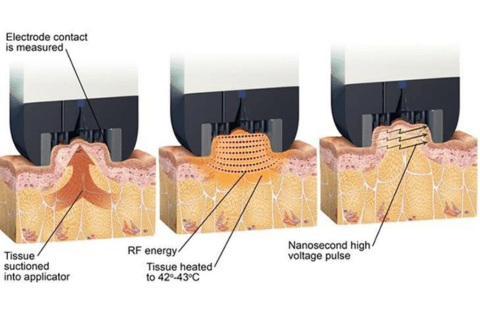
InMode FX uses radiofrequency (RF) energy to help destroy fat cells and tighten skin.
If the treatment only raises surface skin temperature but doesn’t reach the core fat-melting temperature, results will be minimal.
Key Point
For optimal results, skin temperature should reach 41–42°C (105–108°F), followed by sufficient high-voltage pulses with an adequate number of shots.
What Is a “Pulse” in InMode?
A pulse refers to one delivery of RF energy.
Each time the device emits RF energy into the skin, that counts as one pulse.
In handpieces like MiniFX or BodyFX, RF energy + suction + high-voltage pulses work together to disrupt fat cells and improve tightening.

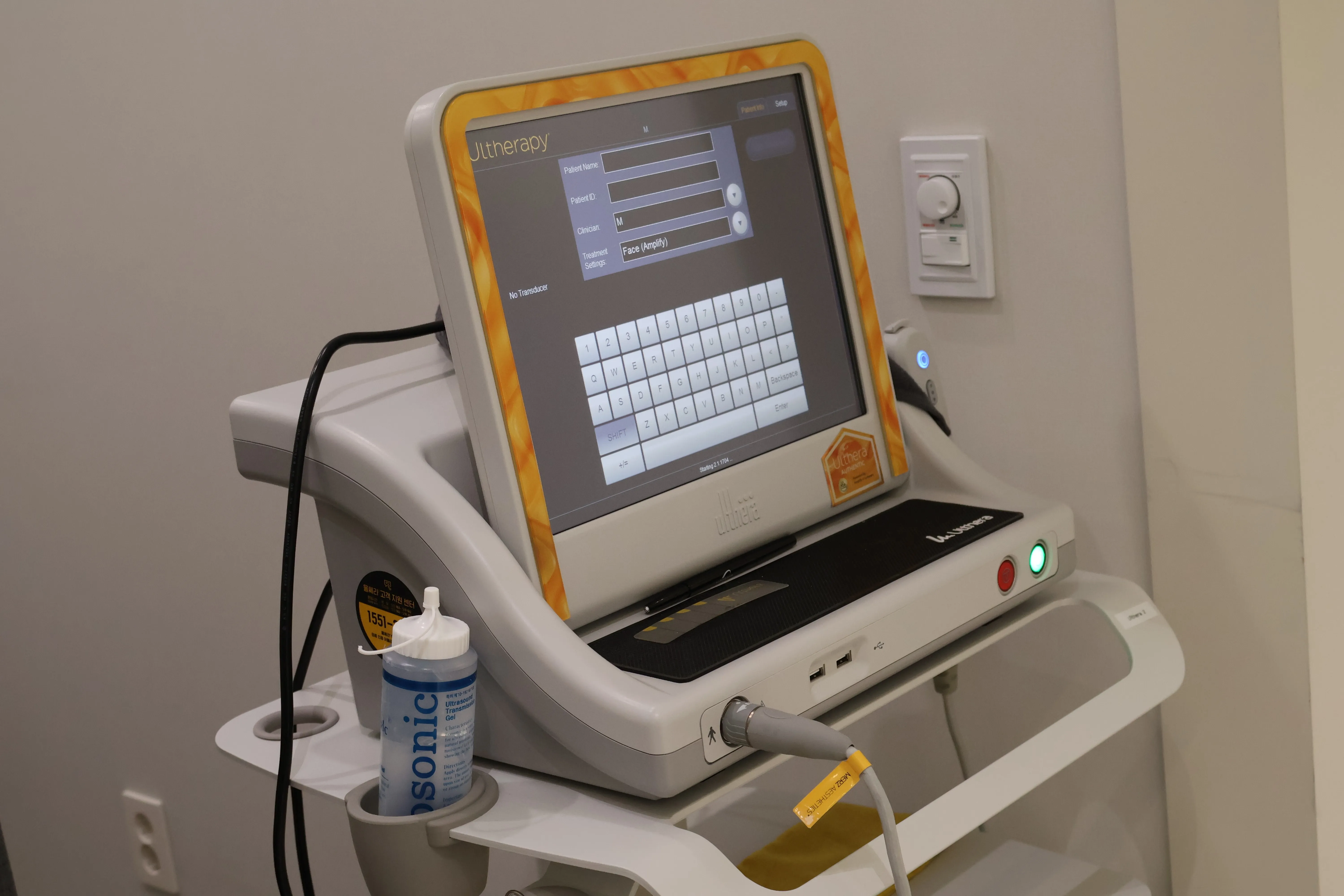
Shurink (HIFU)
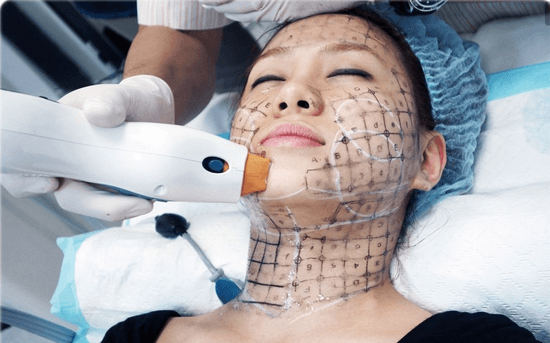
Shurink results depend heavily on tip selection and energy settings.
If you have thicker skin or a higher fat layer, using only a 3.0 mm tip often won’t reach the target depth.
Shurink typically operates around 0.5J, while Ulthera uses about 0.9J, nearly double the energy output.
Key Point
Because energy output can vary, it’s important to increase energy within safe limits and ensure proper tip contact.
Recommended Request Phrase
“I'm okay if it takes longer, please increase the energy safely and make sure the tip is well-attached.”
From a doctor’s perspective, this clearly signals that the patient is serious about results.

Genesis Laser
Genesis laser works by accumulating heat in the dermis, the more consistent the heat buildup, the better the outcome.
If it only feels mildly warm on the surface, dermal heating is insufficient, making results negligible.
Key Point
After treatment, your skin should feel noticeably warm, not just mildly heated.
Recommended Request Phrase
“Please treat evenly until the skin is thoroughly warmed throughout.”
Genesis is a precision-and-effort-dependent treatment. Technique truly matters.
RF Lasers (Thermage, Oligio, etc.)
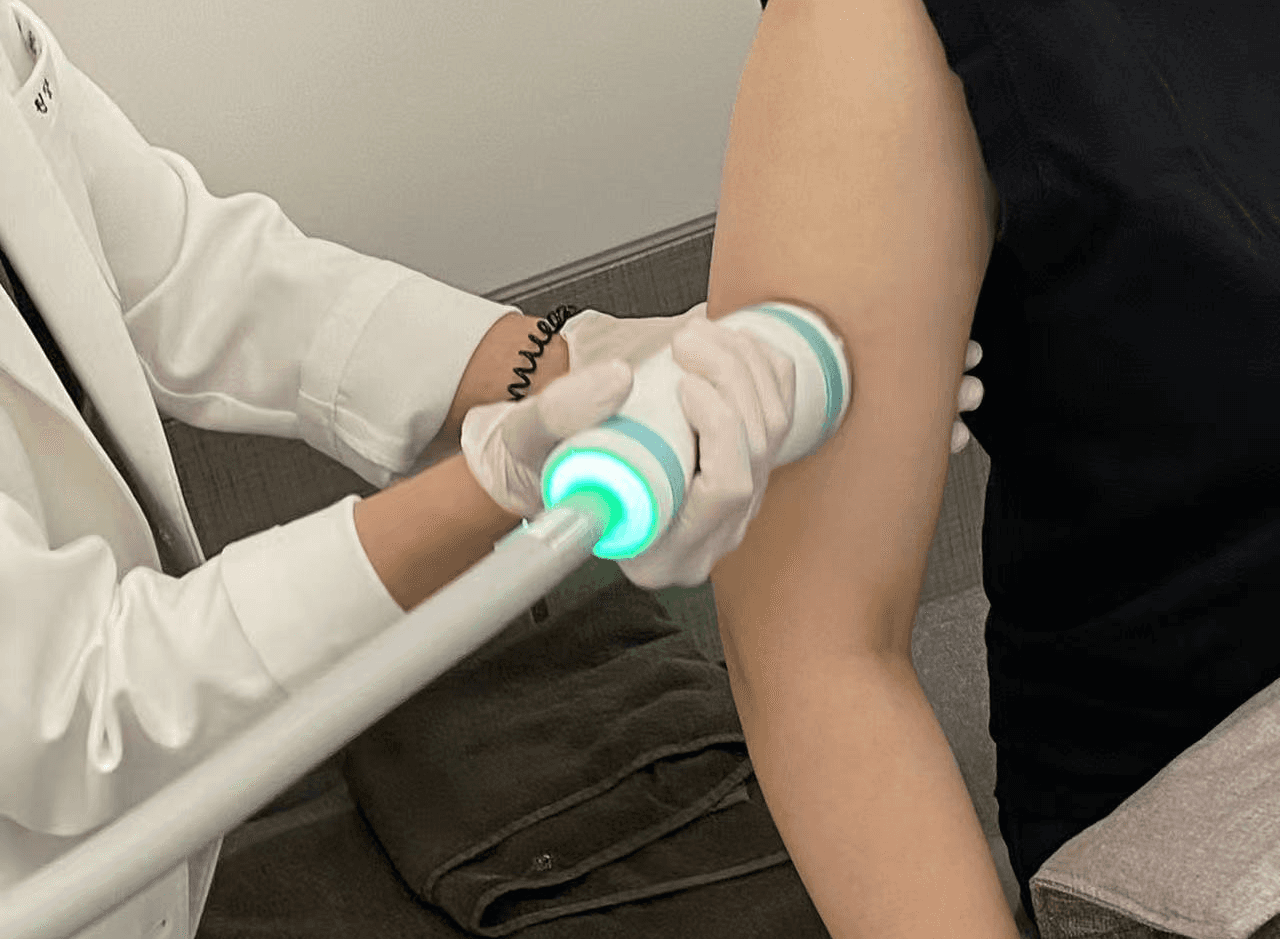
RF treatments work best when energy is delivered just below the burn threshold (⚠️ safely, of course).
The sensation of “almost too hot” is a key indicator.
During sedated treatments, this feedback is lost, often leading to lower energy settings.
Key Point
Whenever possible, non-sedated treatment allows better energy control and stronger results.
Recommended Request Phrase
“Please use strong energy within safe limits. I’ll manage the discomfort.”
⚠️ Pain tolerance varies, always communicate honestly.
Summary: How to Maximize Laser Treatment Results
Treatment | Why Results Were Weak | Pro Tip |
|---|---|---|
InMode FX | Temperature up, pulses insufficient | Request more pulses after reaching 41°C |
Shurink | Low base energy, poor tip contact | Ask for higher energy + firm tip contact |
Genesis | Not enough dermal heat buildup | Request slow, even heating |
Thermage / Density | Sedation lowered energy | Choose non-sedation if possible |
Key Clinical Takeaways on Laser Treatments
Laser and energy-based treatments can produce meaningful improvements in skin quality, pigmentation, acne scars, wrinkles, and skin laxity when they are carefully planned and appropriately performed. While the technology is important, successful outcomes also depend on accurate diagnosis, appropriate treatment selection, clinician expertise, and individualised treatment parameters.
Before deciding on any laser procedure, a comprehensive skin assessment can help determine the most suitable treatment for your skin type, concerns, and goals. Advanced skin analysis systems such as MetaView and MarkVu can be used to evaluate skin condition and guide personalised treatment planning.
If you are considering laser treatment, a consultation with a qualified medical professional can help clarify your options, expected outcomes, and any potential risks based on your individual skin profile.
For those exploring laser skin treatments in Seoul, understanding both the technology and the clinical approach behind each procedure can help you make more informed decisions and achieve safer, more effective results.
FAQ: Laser Skin Treatments and Treatment Results
Why do some laser treatments show little results?
Results may be weak if the energy level is too low, the temperature is not properly reached, or the technique is not precise enough. Even small setting differences can significantly affect outcomes.
How can I make my laser treatment more effective?
Ensure the correct energy level, temperature, and sufficient shot count are used within safe limits. At REPIC Clinic, treatments are carefully customized based on detailed skin analysis to help maximize results.
Why is temperature important in some RF treatments?
Certain radiofrequency (RF) treatments rely on controlled heat delivery to the deeper layers of the skin or fat tissue. Reaching an appropriate temperature range helps stimulate processes such as collagen remodeling or fat cell disruption. If the temperature does not reach the therapeutic range, the treatment effect may be limited.
Should laser treatments be done without sedation?
When possible, non-sedated treatments allow you to give real-time feedback, which helps the provider adjust energy levels more effectively.
What is the difference between RF treatments and HIFU treatments?
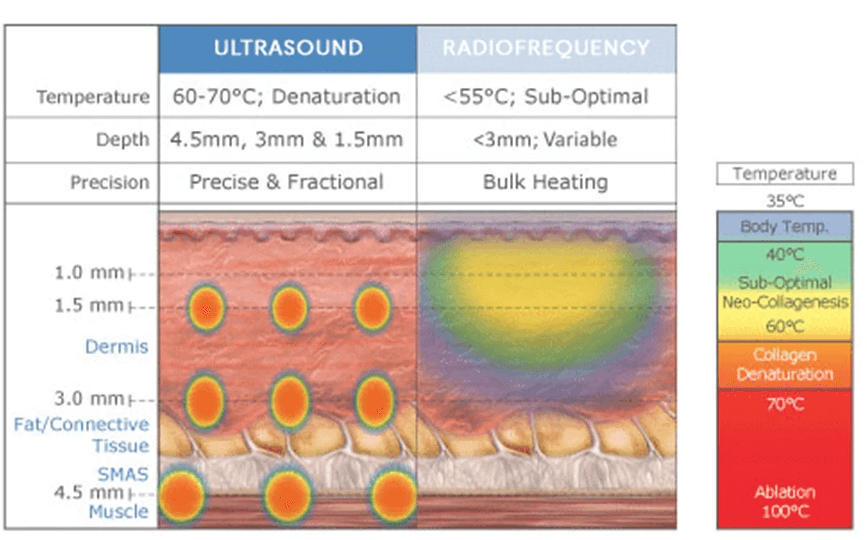
Both radiofrequency (RF) and high-intensity focused ultrasound (HIFU) treatments are used for skin tightening and lifting, but they work differently.
RF treatments deliver electrical energy that converts to heat in the skin layers to stimulate collagen production.
HIFU treatments use focused ultrasound energy to target deeper structural layers of the skin.
Each approach targets different tissue depths and may be recommended depending on individual skin concerns.
Get laser treatments from an expert!
Book a consultation at REPIC Clinic now!
Tags:
Treatment Guides
Lifting
Share this blog
Related Posts.
Looking for more expert insights? Explore these articles from our team of skincare specialists.
Skincare Recommendations

Back to Menu
Back to Menu
Complete Guide by REPIC for Laser Skin Treatments in Seoul
Laser skin treatments are widely used to improve concerns such as pigmentation, acne scars, enlarged pores, wrinkles, and skin laxity. While today's laser technologies are highly advanced, the quality of your results depends on far more than the device itself. Treatment planning, skin assessment, clinical expertise, and proper aftercare all influence the final outcome.
In this guide, Dr. Yong Ha, Medical Director of REPIC Clinic in Gangnam, Seoul, explains the factors that affect laser treatment results, common reasons treatments fall short, and what patients should know before choosing a procedure.
Complete Laser Treatment Guide: Pro Tips for Better Results
One of the most common questions patients ask is why their laser treatments have not delivered the improvements they expected. In many cases, the problem is not the laser itself. Successful outcomes depend on selecting the appropriate treatment for your skin condition, using the correct settings, and performing the procedure with an experienced understanding of skin response.
What Actually Determines Laser Treatment Results
The most important point is simple: results depend on whether enough energy is delivered correctly to the target tissue.
If the energy is too low, too shallow, uneven, or insufficiently applied, the treatment will not produce meaningful change — regardless of how advanced the device is.
Why Didn’t My Laser Treatment Work?
Skin treatments don’t follow a simple rule like “do it once and it works.”
Even the same procedure can deliver completely different results depending on how it’s performed.
Temperature, energy level, contact pressure, shot count, miss even one, and results drop significantly.
Below, I’ll explain common laser treatments, why results may have been disappointing, and what to check to maximize effectiveness.
InMode FX
InMode FX uses radiofrequency (RF) energy to help destroy fat cells and tighten skin.
If the treatment only raises surface skin temperature but doesn’t reach the core fat-melting temperature, results will be minimal.
Key Point
For optimal results, skin temperature should reach 41–42°C (105–108°F), followed by sufficient high-voltage pulses with an adequate number of shots.
What Is a “Pulse” in InMode?
A pulse refers to one delivery of RF energy.
Each time the device emits RF energy into the skin, that counts as one pulse.
In handpieces like MiniFX or BodyFX, RF energy + suction + high-voltage pulses work together to disrupt fat cells and improve tightening.
Shurink (HIFU)
Shurink results depend heavily on tip selection and energy settings.
If you have thicker skin or a higher fat layer, using only a 3.0 mm tip often won’t reach the target depth.
Shurink typically operates around 0.5J, while Ulthera uses about 0.9J, nearly double the energy output.
Key Point
Because energy output can vary, it’s important to increase energy within safe limits and ensure proper tip contact.
Recommended Request Phrase
“I'm okay if it takes longer, please increase the energy safely and make sure the tip is well-attached.”
From a doctor’s perspective, this clearly signals that the patient is serious about results.
Genesis Laser
Genesis laser works by accumulating heat in the dermis, the more consistent the heat buildup, the better the outcome.
If it only feels mildly warm on the surface, dermal heating is insufficient, making results negligible.
Key Point
After treatment, your skin should feel noticeably warm, not just mildly heated.
Recommended Request Phrase
“Please treat evenly until the skin is thoroughly warmed throughout.”
Genesis is a precision-and-effort-dependent treatment. Technique truly matters.
RF Lasers (Thermage, Oligio, etc.)
RF treatments work best when energy is delivered just below the burn threshold (⚠️ safely, of course).
The sensation of “almost too hot” is a key indicator.
During sedated treatments, this feedback is lost, often leading to lower energy settings.
Key Point
Whenever possible, non-sedated treatment allows better energy control and stronger results.
Recommended Request Phrase
“Please use strong energy within safe limits. I’ll manage the discomfort.”
⚠️ Pain tolerance varies, always communicate honestly.
Summary: How to Maximize Laser Treatment Results
Treatment | Why Results Were Weak | Pro Tip |
|---|---|---|
InMode FX | Temperature up, pulses insufficient | Request more pulses after reaching 41°C |
Shurink | Low base energy, poor tip contact | Ask for higher energy + firm tip contact |
Genesis | Not enough dermal heat buildup | Request slow, even heating |
Thermage / Density | Sedation lowered energy | Choose non-sedation if possible |
Key Clinical Takeaways on Laser Treatments
Laser and energy-based treatments can produce meaningful improvements in skin quality, pigmentation, acne scars, wrinkles, and skin laxity when they are carefully planned and appropriately performed. While the technology is important, successful outcomes also depend on accurate diagnosis, appropriate treatment selection, clinician expertise, and individualised treatment parameters.
Before deciding on any laser procedure, a comprehensive skin assessment can help determine the most suitable treatment for your skin type, concerns, and goals. Advanced skin analysis systems such as MetaView and MarkVu can be used to evaluate skin condition and guide personalised treatment planning.
If you are considering laser treatment, a consultation with a qualified medical professional can help clarify your options, expected outcomes, and any potential risks based on your individual skin profile.
For those exploring laser skin treatments in Seoul, understanding both the technology and the clinical approach behind each procedure can help you make more informed decisions and achieve safer, more effective results.
FAQ: Laser Skin Treatments and Treatment Results
Why do some laser treatments show little results?
Results may be weak if the energy level is too low, the temperature is not properly reached, or the technique is not precise enough. Even small setting differences can significantly affect outcomes.
How can I make my laser treatment more effective?
Ensure the correct energy level, temperature, and sufficient shot count are used within safe limits. At REPIC Clinic, treatments are carefully customized based on detailed skin analysis to help maximize results.
Why is temperature important in some RF treatments?
Certain radiofrequency (RF) treatments rely on controlled heat delivery to the deeper layers of the skin or fat tissue. Reaching an appropriate temperature range helps stimulate processes such as collagen remodeling or fat cell disruption. If the temperature does not reach the therapeutic range, the treatment effect may be limited.
Should laser treatments be done without sedation?
When possible, non-sedated treatments allow you to give real-time feedback, which helps the provider adjust energy levels more effectively.
What is the difference between RF treatments and HIFU treatments?
Both radiofrequency (RF) and high-intensity focused ultrasound (HIFU) treatments are used for skin tightening and lifting, but they work differently.
RF treatments deliver electrical energy that converts to heat in the skin layers to stimulate collagen production.
HIFU treatments use focused ultrasound energy to target deeper structural layers of the skin.
Each approach targets different tissue depths and may be recommended depending on individual skin concerns.
Get laser treatments from an expert!
Book a consultation at REPIC Clinic now!
Tags:
Treatment Guides
Lifting
Share this blog
Related Posts.
Looking for more expert insights? Explore these articles from our team of skincare specialists.
Skincare Recommendations
Back to Menu
Back to Menu
Complete Guide by REPIC for Laser Skin Treatments in Seoul
Laser skin treatments are widely used to improve concerns such as pigmentation, acne scars, enlarged pores, wrinkles, and skin laxity. While today's laser technologies are highly advanced, the quality of your results depends on far more than the device itself. Treatment planning, skin assessment, clinical expertise, and proper aftercare all influence the final outcome.
In this guide, Dr. Yong Ha, Medical Director of REPIC Clinic in Gangnam, Seoul, explains the factors that affect laser treatment results, common reasons treatments fall short, and what patients should know before choosing a procedure.
Complete Laser Treatment Guide: Pro Tips for Better Results
One of the most common questions patients ask is why their laser treatments have not delivered the improvements they expected. In many cases, the problem is not the laser itself. Successful outcomes depend on selecting the appropriate treatment for your skin condition, using the correct settings, and performing the procedure with an experienced understanding of skin response.
What Actually Determines Laser Treatment Results
The most important point is simple: results depend on whether enough energy is delivered correctly to the target tissue.
If the energy is too low, too shallow, uneven, or insufficiently applied, the treatment will not produce meaningful change — regardless of how advanced the device is.
Why Didn’t My Laser Treatment Work?
Skin treatments don’t follow a simple rule like “do it once and it works.”
Even the same procedure can deliver completely different results depending on how it’s performed.
Temperature, energy level, contact pressure, shot count, miss even one, and results drop significantly.
Below, I’ll explain common laser treatments, why results may have been disappointing, and what to check to maximize effectiveness.
InMode FX
InMode FX uses radiofrequency (RF) energy to help destroy fat cells and tighten skin.
If the treatment only raises surface skin temperature but doesn’t reach the core fat-melting temperature, results will be minimal.
Key Point
For optimal results, skin temperature should reach 41–42°C (105–108°F), followed by sufficient high-voltage pulses with an adequate number of shots.
What Is a “Pulse” in InMode?
A pulse refers to one delivery of RF energy.
Each time the device emits RF energy into the skin, that counts as one pulse.
In handpieces like MiniFX or BodyFX, RF energy + suction + high-voltage pulses work together to disrupt fat cells and improve tightening.
Shurink (HIFU)
Shurink results depend heavily on tip selection and energy settings.
If you have thicker skin or a higher fat layer, using only a 3.0 mm tip often won’t reach the target depth.
Shurink typically operates around 0.5J, while Ulthera uses about 0.9J, nearly double the energy output.
Key Point
Because energy output can vary, it’s important to increase energy within safe limits and ensure proper tip contact.
Recommended Request Phrase
“I'm okay if it takes longer, please increase the energy safely and make sure the tip is well-attached.”
From a doctor’s perspective, this clearly signals that the patient is serious about results.
Genesis Laser
Genesis laser works by accumulating heat in the dermis, the more consistent the heat buildup, the better the outcome.
If it only feels mildly warm on the surface, dermal heating is insufficient, making results negligible.
Key Point
After treatment, your skin should feel noticeably warm, not just mildly heated.
Recommended Request Phrase
“Please treat evenly until the skin is thoroughly warmed throughout.”
Genesis is a precision-and-effort-dependent treatment. Technique truly matters.
RF Lasers (Thermage, Oligio, etc.)
RF treatments work best when energy is delivered just below the burn threshold (⚠️ safely, of course).
The sensation of “almost too hot” is a key indicator.
During sedated treatments, this feedback is lost, often leading to lower energy settings.
Key Point
Whenever possible, non-sedated treatment allows better energy control and stronger results.
Recommended Request Phrase
“Please use strong energy within safe limits. I’ll manage the discomfort.”
⚠️ Pain tolerance varies, always communicate honestly.
Summary: How to Maximize Laser Treatment Results
Treatment | Why Results Were Weak | Pro Tip |
|---|---|---|
InMode FX | Temperature up, pulses insufficient | Request more pulses after reaching 41°C |
Shurink | Low base energy, poor tip contact | Ask for higher energy + firm tip contact |
Genesis | Not enough dermal heat buildup | Request slow, even heating |
Thermage / Density | Sedation lowered energy | Choose non-sedation if possible |
Key Clinical Takeaways on Laser Treatments
Laser and energy-based treatments can produce meaningful improvements in skin quality, pigmentation, acne scars, wrinkles, and skin laxity when they are carefully planned and appropriately performed. While the technology is important, successful outcomes also depend on accurate diagnosis, appropriate treatment selection, clinician expertise, and individualised treatment parameters.
Before deciding on any laser procedure, a comprehensive skin assessment can help determine the most suitable treatment for your skin type, concerns, and goals. Advanced skin analysis systems such as MetaView and MarkVu can be used to evaluate skin condition and guide personalised treatment planning.
If you are considering laser treatment, a consultation with a qualified medical professional can help clarify your options, expected outcomes, and any potential risks based on your individual skin profile.
For those exploring laser skin treatments in Seoul, understanding both the technology and the clinical approach behind each procedure can help you make more informed decisions and achieve safer, more effective results.
FAQ: Laser Skin Treatments and Treatment Results
Why do some laser treatments show little results?
Results may be weak if the energy level is too low, the temperature is not properly reached, or the technique is not precise enough. Even small setting differences can significantly affect outcomes.
How can I make my laser treatment more effective?
Ensure the correct energy level, temperature, and sufficient shot count are used within safe limits. At REPIC Clinic, treatments are carefully customized based on detailed skin analysis to help maximize results.
Why is temperature important in some RF treatments?
Certain radiofrequency (RF) treatments rely on controlled heat delivery to the deeper layers of the skin or fat tissue. Reaching an appropriate temperature range helps stimulate processes such as collagen remodeling or fat cell disruption. If the temperature does not reach the therapeutic range, the treatment effect may be limited.
Should laser treatments be done without sedation?
When possible, non-sedated treatments allow you to give real-time feedback, which helps the provider adjust energy levels more effectively.
What is the difference between RF treatments and HIFU treatments?
Both radiofrequency (RF) and high-intensity focused ultrasound (HIFU) treatments are used for skin tightening and lifting, but they work differently.
RF treatments deliver electrical energy that converts to heat in the skin layers to stimulate collagen production.
HIFU treatments use focused ultrasound energy to target deeper structural layers of the skin.
Each approach targets different tissue depths and may be recommended depending on individual skin concerns.
Get laser treatments from an expert!
Book a consultation at REPIC Clinic now!
Tags:
Treatment Guides
Lifting
Share this blog
Related Posts.
Looking for more expert insights? Explore these articles from our team of skincare specialists.