Back to Menu
Safe Skin Treatments during Pregnancy - A Complete Guide

Safe Skincare and Skin Treatments During Pregnancy

Pregnancy brings joy, but also many changes in the skin, from acne and melasma to stretch marks on the belly and thighs. Many expectant mothers struggle with these issues.
Today, I’ll explain what skincare treatments are safe during pregnancy and how to care for your skin properly.
Why Skin Changes During Pregnancy

Most skin changes during pregnancy are due to hormonal fluctuations, especially estrogen and progesterone, which directly affect the skin.
Acne: Increased hormone levels boost sebum production, clog pores, and cause breakouts.
Melasma (Pregnancy Mask): Higher melanin production creates brown patches on the face.
Stretch Marks: Rapid skin expansion on the abdomen, thighs, and buttocks causes red or purple streaks that gradually turn white.
Because some treatments may affect the fetus, it’s important to know which procedures to avoid.
⚠️ Treatments Pregnant Women Should Avoid
Monopolar Radiofrequency (RF) Lasers
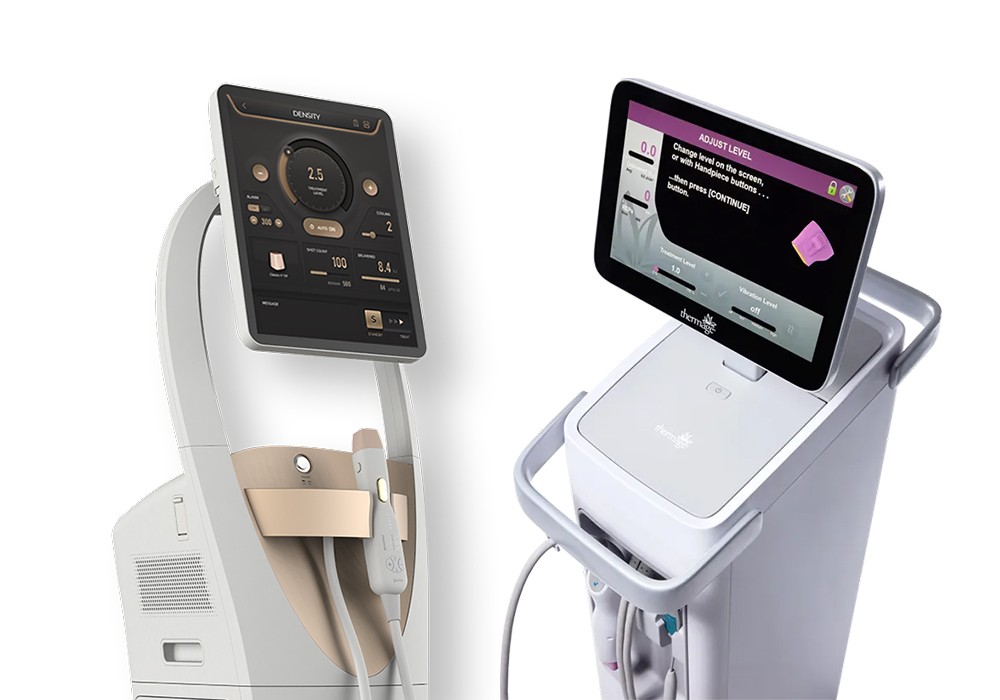
Devices like Thermage, Oligio, Ultherapy, or Density penetrate deep tissues. Unlike bipolar RF, monopolar RF passes current through the body, which may affect the fetus.Procedures Requiring Local Anesthesia
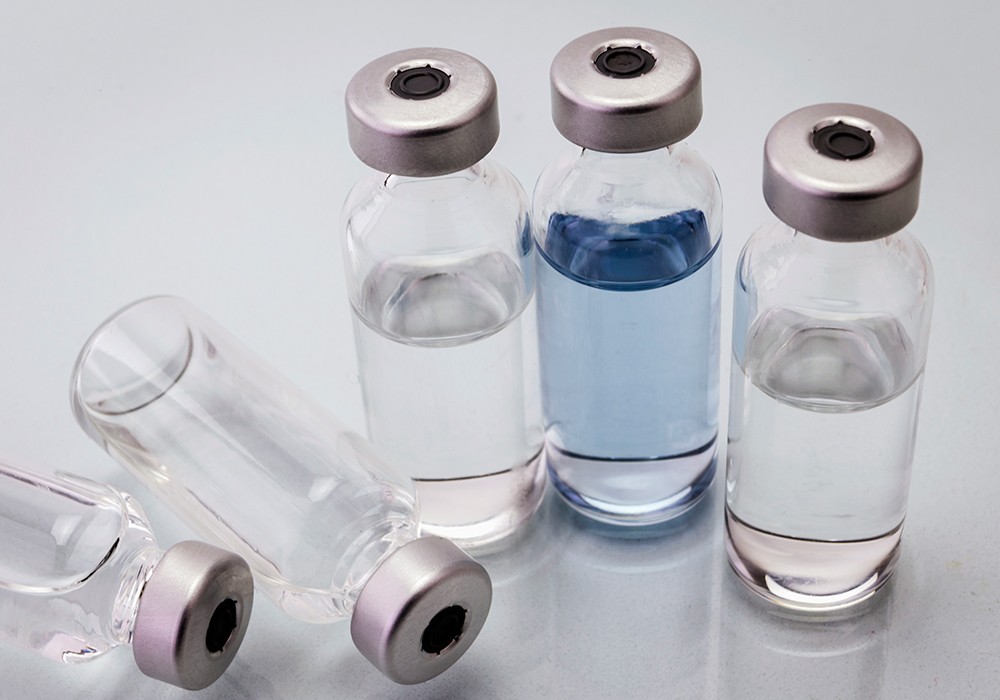
Local anesthetics like lidocaine and prilocaine are generally safe (FDA Pregnancy Category B) but may be risky if absorbed into arteries, potentially causing seizures, arrhythmia, or shock.Pregnancy Category
Description
A
No risk in controlled human studies: Adequate and well-controlled human studies have failed to demonstrate a risk to the fetus in the first trimester of pregnancy (and there is no evidence of risk in later trimesters).
B
No risk in other studies: Animal reproduction studies have failed to demonstrate a risk to the fetus and there are no adequate and well-controlled studies in pregnant women, or animal studies have shown adverse effects, but adequate and well-controlled studies in pregnant women have failed to demonstrate a risk to the fetus in any trimester.
C
Risk not ruled out: Animal reproduction studies have shown an adverse effect on the fetus and there are no adequate and well-controlled studies in humans, but potential benefits may warrant use of the drug in pregnant women despite potential risks.
D
Positive evidence of risk: There is positive evidence of human fetal risk based on adverse reaction data from investigational or marketing experience or studies in humans, but potential benefits may warrant use of the drug in pregnant women despite potential risks.
X
Contraindicated in pregnancy: Studies in animals or humans have demonstrated fetal abnormalities and/or there is positive evidence of human fetal risk based on adverse reaction data from investigational or marketing experience, and the risks involved in use of the drug in pregnant women clearly outweigh potential benefits.
N
The FDA has not yet classified the drug into a specified pregnancy category.
Injectables
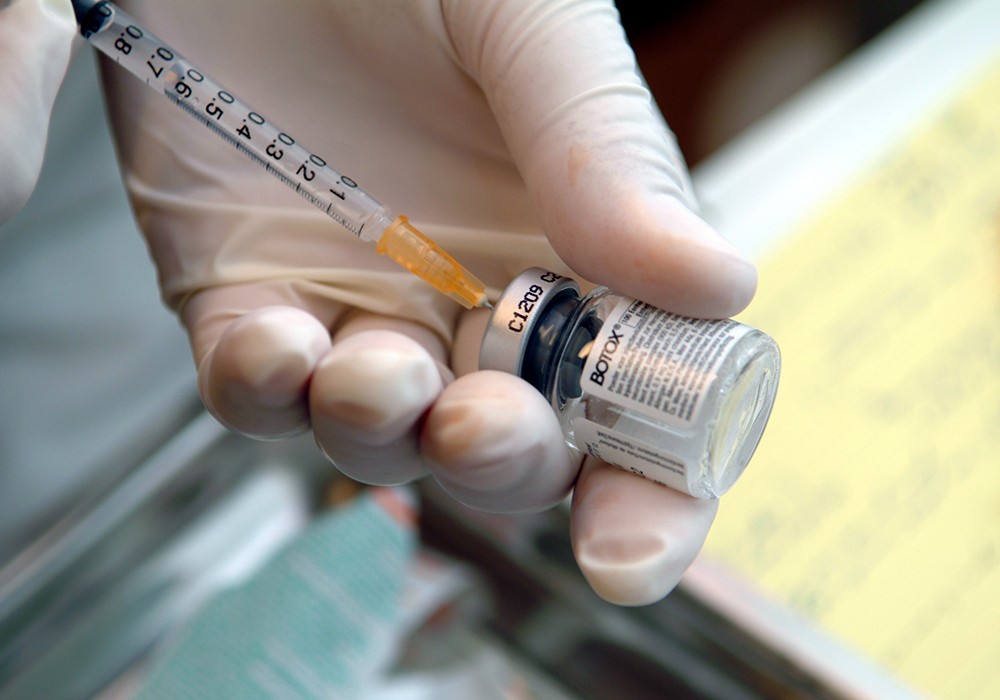
Procedures like Botox, fillers, anti-inflammatory injections, or skin boosters lack sufficient safety data during pregnancy. Steroid-containing injections (e.g., triamcinolone) can impact fetal growth.Retinoid Medications and Products
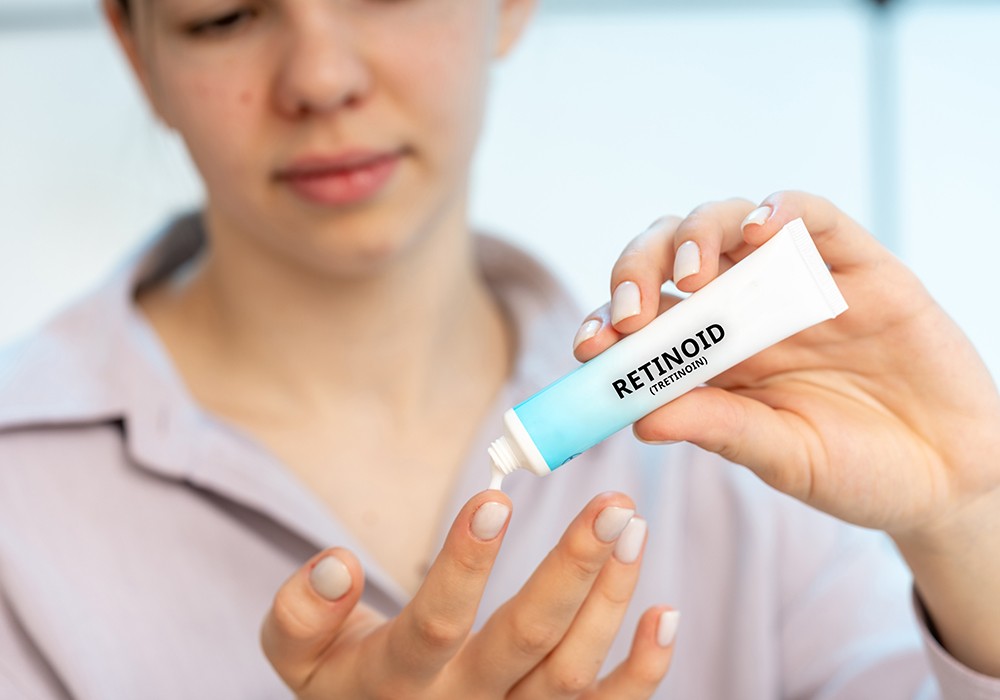
Prescription acne medications like isotretinoin (Accutane) and minocycline, as well as retinoid creams or cosmetics, can cause fetal malformations. Avoid chemical peels as well.
Safe Skin Treatments for Pregnant Women
1. LDM (Low-frequency Dynamic Microcurrent) Therapy
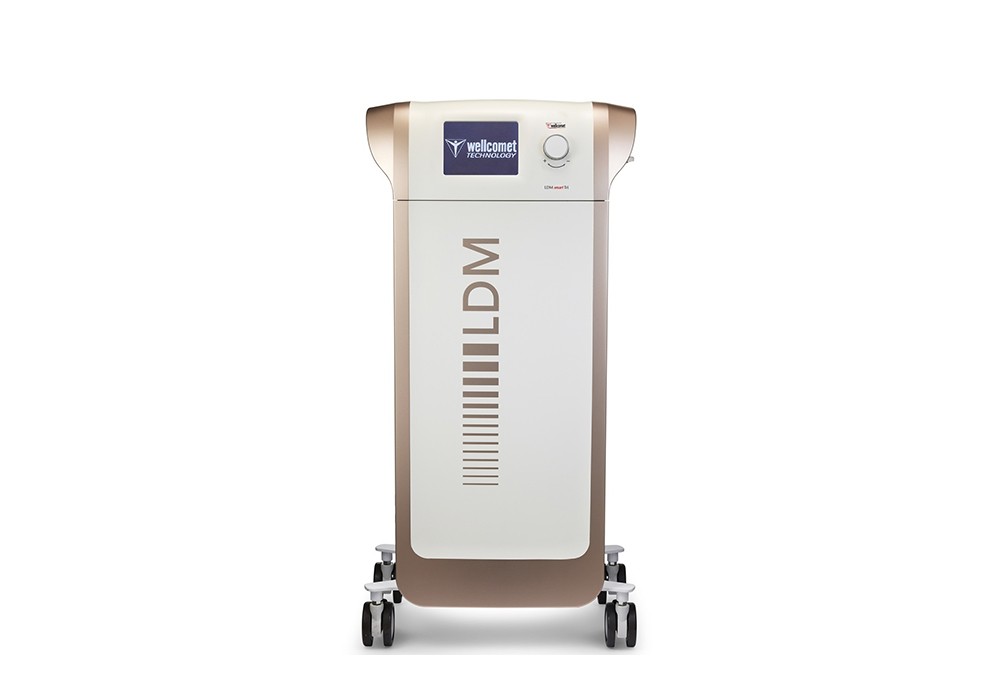
Uses low-intensity ultrasound to stimulate collagen production and skin regeneration.
Safe, non-invasive, minimal pain, and no downtime
Improves elasticity and hydration
2. O2Derm Oxygen Therapy
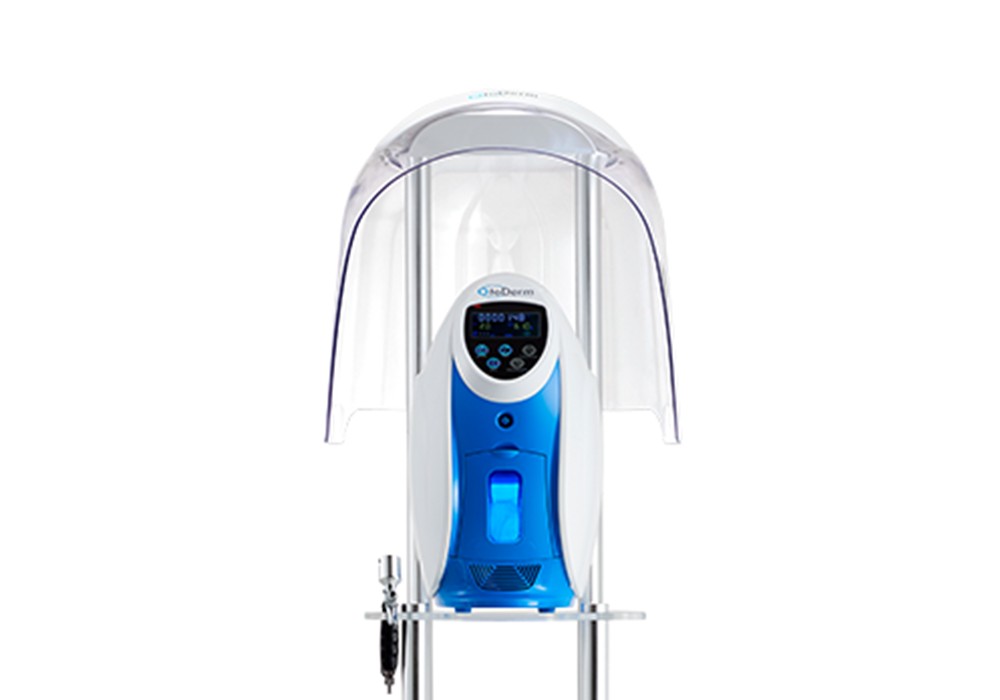
Uses high-concentration oxygen to activate cells and promote regeneration.
Medication-free, safe for pregnancy
Improves hydration, skin tone, and calming effects
Pregnancy-Friendly Daily Skin Care Tips
Use Gentle Cleansers
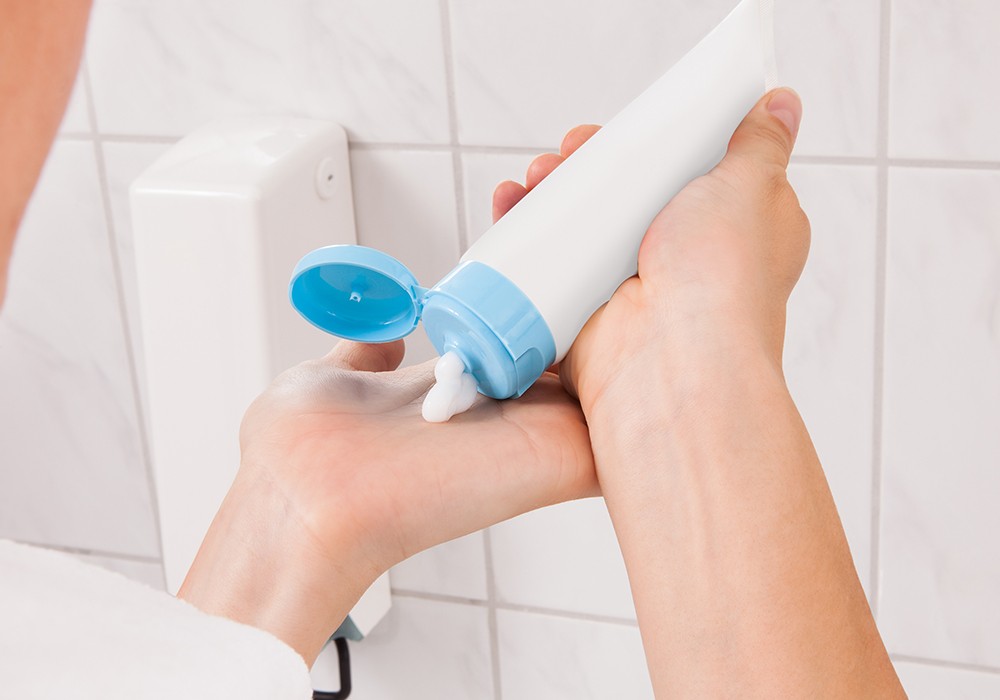
Choose low-pH, mildly acidic, or natural ingredient cleansers to protect sensitive skin.Focus on Moisturization and Sun Protection

Use fragrance-free, preservative-free moisturizers, especially on the belly and thighs to prevent stretch marks
Apply SPF 30+ and PA+++ physical sunscreens every 2 hours when outdoors, complemented by hats and sunglasses
Consistent moisturization and sun protection help prevent pigmentation, melasma, and premature aging
Key Pregnancy Skin Care Guidelines
Avoid procedures in the first trimester (weeks 1–12) and late third trimester (after week 32)
Always consult your OB-GYN before any treatment
Prioritize non-invasive, gentle methods for skin health
By following these tips and guidelines, expectant mothers can safely maintain healthy, radiant skin throughout pregnancy.
Thank you for reading!
FAQ
Which skin treatments are safe during pregnancy?
Non-invasive treatments like LDM (low-frequency microcurrent) therapy and O2Derm oxygen therapy are considered safe and gentle during pregnancy.
Can I get laser treatments while pregnant?
No, procedures like monopolar RF lasers (Thermage, Ultherapy) should be avoided as they may affect the fetus.
Are Botox or fillers safe during pregnancy?
Injectables such as Botox, fillers, or steroid injections are not recommended due to insufficient safety data.
What skincare ingredients should pregnant women avoid?
Retinoids, prescription acne medications like isotretinoin, and chemical peels should be avoided because they can harm fetal development.
How can I treat pigmentation safely during pregnancy?
Gentle daily care with moisturizers, physical sunscreen, and pregnancy-safe therapies can help, and a consultation at REPIC Clinic can provide personalized guidance for safe pigmentation management.
Looking for more skincare tips?
Learn more about your skin through a consultation at REPIC Clinic!
Tags:
Treatment Guides
Share this blog
Related Posts.
Looking for more expert insights? Explore these articles from our team of skincare specialists.

Skincare Recommendations
Back to Menu
Back to Menu
Safe Skin Treatments during Pregnancy - A Complete Guide
Safe Skincare and Skin Treatments During Pregnancy
Pregnancy brings joy, but also many changes in the skin, from acne and melasma to stretch marks on the belly and thighs. Many expectant mothers struggle with these issues.
Today, I’ll explain what skincare treatments are safe during pregnancy and how to care for your skin properly.
Why Skin Changes During Pregnancy
Most skin changes during pregnancy are due to hormonal fluctuations, especially estrogen and progesterone, which directly affect the skin.
Acne: Increased hormone levels boost sebum production, clog pores, and cause breakouts.
Melasma (Pregnancy Mask): Higher melanin production creates brown patches on the face.
Stretch Marks: Rapid skin expansion on the abdomen, thighs, and buttocks causes red or purple streaks that gradually turn white.
Because some treatments may affect the fetus, it’s important to know which procedures to avoid.
⚠️ Treatments Pregnant Women Should Avoid
Monopolar Radiofrequency (RF) Lasers
Devices like Thermage, Oligio, Ultherapy, or Density penetrate deep tissues. Unlike bipolar RF, monopolar RF passes current through the body, which may affect the fetus.Procedures Requiring Local Anesthesia
Local anesthetics like lidocaine and prilocaine are generally safe (FDA Pregnancy Category B) but may be risky if absorbed into arteries, potentially causing seizures, arrhythmia, or shock.Pregnancy Category
Description
A
No risk in controlled human studies: Adequate and well-controlled human studies have failed to demonstrate a risk to the fetus in the first trimester of pregnancy (and there is no evidence of risk in later trimesters).
B
No risk in other studies: Animal reproduction studies have failed to demonstrate a risk to the fetus and there are no adequate and well-controlled studies in pregnant women, or animal studies have shown adverse effects, but adequate and well-controlled studies in pregnant women have failed to demonstrate a risk to the fetus in any trimester.
C
Risk not ruled out: Animal reproduction studies have shown an adverse effect on the fetus and there are no adequate and well-controlled studies in humans, but potential benefits may warrant use of the drug in pregnant women despite potential risks.
D
Positive evidence of risk: There is positive evidence of human fetal risk based on adverse reaction data from investigational or marketing experience or studies in humans, but potential benefits may warrant use of the drug in pregnant women despite potential risks.
X
Contraindicated in pregnancy: Studies in animals or humans have demonstrated fetal abnormalities and/or there is positive evidence of human fetal risk based on adverse reaction data from investigational or marketing experience, and the risks involved in use of the drug in pregnant women clearly outweigh potential benefits.
N
The FDA has not yet classified the drug into a specified pregnancy category.
Injectables
Procedures like Botox, fillers, anti-inflammatory injections, or skin boosters lack sufficient safety data during pregnancy. Steroid-containing injections (e.g., triamcinolone) can impact fetal growth.Retinoid Medications and Products
Prescription acne medications like isotretinoin (Accutane) and minocycline, as well as retinoid creams or cosmetics, can cause fetal malformations. Avoid chemical peels as well.
Safe Skin Treatments for Pregnant Women
1. LDM (Low-frequency Dynamic Microcurrent) Therapy
Uses low-intensity ultrasound to stimulate collagen production and skin regeneration.
Safe, non-invasive, minimal pain, and no downtime
Improves elasticity and hydration
2. O2Derm Oxygen Therapy
Uses high-concentration oxygen to activate cells and promote regeneration.
Medication-free, safe for pregnancy
Improves hydration, skin tone, and calming effects
Pregnancy-Friendly Daily Skin Care Tips
Use Gentle Cleansers
Choose low-pH, mildly acidic, or natural ingredient cleansers to protect sensitive skin.Focus on Moisturization and Sun Protection
Use fragrance-free, preservative-free moisturizers, especially on the belly and thighs to prevent stretch marks
Apply SPF 30+ and PA+++ physical sunscreens every 2 hours when outdoors, complemented by hats and sunglasses
Consistent moisturization and sun protection help prevent pigmentation, melasma, and premature aging
Key Pregnancy Skin Care Guidelines
Avoid procedures in the first trimester (weeks 1–12) and late third trimester (after week 32)
Always consult your OB-GYN before any treatment
Prioritize non-invasive, gentle methods for skin health
By following these tips and guidelines, expectant mothers can safely maintain healthy, radiant skin throughout pregnancy.
Thank you for reading!
FAQ
Which skin treatments are safe during pregnancy?
Non-invasive treatments like LDM (low-frequency microcurrent) therapy and O2Derm oxygen therapy are considered safe and gentle during pregnancy.
Can I get laser treatments while pregnant?
No, procedures like monopolar RF lasers (Thermage, Ultherapy) should be avoided as they may affect the fetus.
Are Botox or fillers safe during pregnancy?
Injectables such as Botox, fillers, or steroid injections are not recommended due to insufficient safety data.
What skincare ingredients should pregnant women avoid?
Retinoids, prescription acne medications like isotretinoin, and chemical peels should be avoided because they can harm fetal development.
How can I treat pigmentation safely during pregnancy?
Gentle daily care with moisturizers, physical sunscreen, and pregnancy-safe therapies can help, and a consultation at REPIC Clinic can provide personalized guidance for safe pigmentation management.
Looking for more skincare tips?
Learn more about your skin through a consultation at REPIC Clinic!
Tags:
Treatment Guides
Share this blog
Related Posts.
Looking for more expert insights? Explore these articles from our team of skincare specialists.
Skincare Recommendations
Back to Menu
Back to Menu
Safe Skin Treatments during Pregnancy - A Complete Guide
Safe Skincare and Skin Treatments During Pregnancy
Pregnancy brings joy, but also many changes in the skin, from acne and melasma to stretch marks on the belly and thighs. Many expectant mothers struggle with these issues.
Today, I’ll explain what skincare treatments are safe during pregnancy and how to care for your skin properly.
Why Skin Changes During Pregnancy
Most skin changes during pregnancy are due to hormonal fluctuations, especially estrogen and progesterone, which directly affect the skin.
Acne: Increased hormone levels boost sebum production, clog pores, and cause breakouts.
Melasma (Pregnancy Mask): Higher melanin production creates brown patches on the face.
Stretch Marks: Rapid skin expansion on the abdomen, thighs, and buttocks causes red or purple streaks that gradually turn white.
Because some treatments may affect the fetus, it’s important to know which procedures to avoid.
⚠️ Treatments Pregnant Women Should Avoid
Monopolar Radiofrequency (RF) Lasers
Devices like Thermage, Oligio, Ultherapy, or Density penetrate deep tissues. Unlike bipolar RF, monopolar RF passes current through the body, which may affect the fetus.Procedures Requiring Local Anesthesia
Local anesthetics like lidocaine and prilocaine are generally safe (FDA Pregnancy Category B) but may be risky if absorbed into arteries, potentially causing seizures, arrhythmia, or shock.Pregnancy Category
Description
A
No risk in controlled human studies: Adequate and well-controlled human studies have failed to demonstrate a risk to the fetus in the first trimester of pregnancy (and there is no evidence of risk in later trimesters).
B
No risk in other studies: Animal reproduction studies have failed to demonstrate a risk to the fetus and there are no adequate and well-controlled studies in pregnant women, or animal studies have shown adverse effects, but adequate and well-controlled studies in pregnant women have failed to demonstrate a risk to the fetus in any trimester.
C
Risk not ruled out: Animal reproduction studies have shown an adverse effect on the fetus and there are no adequate and well-controlled studies in humans, but potential benefits may warrant use of the drug in pregnant women despite potential risks.
D
Positive evidence of risk: There is positive evidence of human fetal risk based on adverse reaction data from investigational or marketing experience or studies in humans, but potential benefits may warrant use of the drug in pregnant women despite potential risks.
X
Contraindicated in pregnancy: Studies in animals or humans have demonstrated fetal abnormalities and/or there is positive evidence of human fetal risk based on adverse reaction data from investigational or marketing experience, and the risks involved in use of the drug in pregnant women clearly outweigh potential benefits.
N
The FDA has not yet classified the drug into a specified pregnancy category.
Injectables
Procedures like Botox, fillers, anti-inflammatory injections, or skin boosters lack sufficient safety data during pregnancy. Steroid-containing injections (e.g., triamcinolone) can impact fetal growth.Retinoid Medications and Products
Prescription acne medications like isotretinoin (Accutane) and minocycline, as well as retinoid creams or cosmetics, can cause fetal malformations. Avoid chemical peels as well.
Safe Skin Treatments for Pregnant Women
1. LDM (Low-frequency Dynamic Microcurrent) Therapy
Uses low-intensity ultrasound to stimulate collagen production and skin regeneration.
Safe, non-invasive, minimal pain, and no downtime
Improves elasticity and hydration
2. O2Derm Oxygen Therapy
Uses high-concentration oxygen to activate cells and promote regeneration.
Medication-free, safe for pregnancy
Improves hydration, skin tone, and calming effects
Pregnancy-Friendly Daily Skin Care Tips
Use Gentle Cleansers
Choose low-pH, mildly acidic, or natural ingredient cleansers to protect sensitive skin.Focus on Moisturization and Sun Protection
Use fragrance-free, preservative-free moisturizers, especially on the belly and thighs to prevent stretch marks
Apply SPF 30+ and PA+++ physical sunscreens every 2 hours when outdoors, complemented by hats and sunglasses
Consistent moisturization and sun protection help prevent pigmentation, melasma, and premature aging
Key Pregnancy Skin Care Guidelines
Avoid procedures in the first trimester (weeks 1–12) and late third trimester (after week 32)
Always consult your OB-GYN before any treatment
Prioritize non-invasive, gentle methods for skin health
By following these tips and guidelines, expectant mothers can safely maintain healthy, radiant skin throughout pregnancy.
Thank you for reading!
FAQ
Which skin treatments are safe during pregnancy?
Non-invasive treatments like LDM (low-frequency microcurrent) therapy and O2Derm oxygen therapy are considered safe and gentle during pregnancy.
Can I get laser treatments while pregnant?
No, procedures like monopolar RF lasers (Thermage, Ultherapy) should be avoided as they may affect the fetus.
Are Botox or fillers safe during pregnancy?
Injectables such as Botox, fillers, or steroid injections are not recommended due to insufficient safety data.
What skincare ingredients should pregnant women avoid?
Retinoids, prescription acne medications like isotretinoin, and chemical peels should be avoided because they can harm fetal development.
How can I treat pigmentation safely during pregnancy?
Gentle daily care with moisturizers, physical sunscreen, and pregnancy-safe therapies can help, and a consultation at REPIC Clinic can provide personalized guidance for safe pigmentation management.
Looking for more skincare tips?
Learn more about your skin through a consultation at REPIC Clinic!
Tags:
Treatment Guides
Share this blog
Related Posts.
Looking for more expert insights? Explore these articles from our team of skincare specialists.